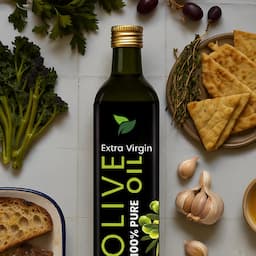
Extra virgin olive oil is generally safe during pregnancy in moderation — up to 1–2 tablespoons (15–30ml) per day. It supports fetal brain development, relieves constipation, helps with stretch marks, and provides antioxidants. Always consult your doctor or gynaecologist before making dietary changes during pregnancy.
Olive oil — known in Pakistan as zaitoon ka tail — has been used for centuries as both a food and a natural remedy. During pregnancy, many women and healthcare professionals consider it a beneficial addition to a balanced diet.
This article covers everything you need to know about using olive oil safely during pregnancy — from nutritional benefits and dosage to topical use and food safety.
Is Olive Oil Safe During Pregnancy?
Yes — extra virgin olive oil is generally considered safe during pregnancy when consumed in moderate amounts. Major health authorities — including the NHS and ACOG — recognise olive oil as a healthy fat source suitable for pregnant women.
In Pakistan, where pregnancy diets often rely on desi ghee and banaspati (hydrogenated vegetable oil), replacing some of these trans fats with extra virgin olive oil (EVOO) may offer a heart-healthier alternative. Always discuss dietary changes with your doctor.
The key is moderation: up to two tablespoons per day is widely considered a safe and beneficial amount during pregnancy. Excessive consumption can lead to unwanted side effects discussed below.

Benefits of Olive Oil During Pregnancy
Healthy Fats for Mother and Baby
Olive oil delivers Vitamins E, A, and K — fat-soluble nutrients that support your fetus's skin, eye, and immune system development. Vitamin K helps regulate clotting factors, which may be particularly relevant if a caesarean section is needed.
Vitamin E acts as one of olive oil's primary antioxidant compounds, neutralising free radicals through polyphenols that protect connective tissue and support your immune defences during pregnancy — important because immunity naturally shifts during gestation.
Olive oil's monounsaturated fatty acids and Omega-3 fatty acids support your baby's brain and nervous system formation. Mediterranean diet research suggests these fats may be associated with a lower risk of preterm birth, though more research is ongoing.
The monounsaturated fats also support cardiovascular health by lowering LDL cholesterol. They may also improve blood flow through the placenta, helping deliver oxygen to your baby — though direct causation has not been definitively established.
Emerging research suggests Mediterranean diet patterns rich in olive oil may be associated with a reduced risk of pre-eclampsia and gestational diabetes mellitus (GDM). This remains active research — speak to your obstetrician if you have risk factors.
Oleic acid — roughly 70% of olive oil's fat content — is a key building block for myelin sheaths that insulate nervous system pathways in the developing fetus.
Adequate maternal intake of essential fatty acids may support healthy neurological development, though this is based on observational data from broader Mediterranean diet studies rather than olive oil in isolation.
Constipation Relief
Constipation is one of the most common complaints during pregnancy. Taking one tablespoon of olive oil on an empty stomach each morning may stimulate peristalsis — the muscular contractions that move stools through your intestines.
In Pakistan, where a typical diet can be low in fibre, this is especially useful. Oleic acid makes up roughly 73% of olive oil's fat content, which may directly help soften stools for easier passage.
Beyond constipation, olive oil may support broader digestion by coating the stomach lining, which can reduce heartburn and stomach upset — two complaints that intensify in the second trimester as the uterus presses upward against the stomach.
You can also incorporate olive oil by using it in place of desi ghee when preparing saalan, parathas, or salad dressings. For more guidance see our olive oil for cooking guide.
Skin Dryness and Stretch Marks
Stretch marks affect roughly 50–90% of expectant mothers by the last trimester, appearing when rapid skin expansion affects deeper skin layers. Olive oil's fatty acid profile may help keep skin supple and more resistant to tearing.
Apply olive oil directly onto the abdomen two to three times daily, focusing on hips and lower belly. Starting in the second trimester — before marks deepen — may offer the best results, though individual outcomes vary.
Olive oil also works as a natural moisturiser for dry and itchy skin during pregnancy. Learn more about olive oil benefits for skin in our full guide.
Antioxidant Support
Olive oil contains polyphenols and phenolic compounds that neutralise free radicals before they trigger oxidative stress in your cells. Over 30 individual polyphenols have been identified in EVOO, with oleocanthal being among the most studied for anti-inflammatory action.
These compounds help suppress chronic inflammation, which underlies conditions including heart disease, type 2 diabetes, and obesity. During pregnancy, managing inflammation matters because persistent inflammatory signalling has been linked to adverse fetal development.
Some research suggests phenolic compounds from olive oil may cross the placental barrier, entering systemic circulation — and may similarly transfer into breast milk, potentially extending antioxidant benefits to your infant. This is an active area of research.
Medical claims about olive oil and pregnancy outcomes — including pre-eclampsia risk, preterm birth, and brain development — are based on observational research and Mediterranean diet studies, not definitive clinical trials. Treat these benefits as potentially supportive, not guaranteed. Any significant dietary change during pregnancy should be discussed with your gynaecologist or a registered nutritionist.
How Much Olive Oil Is Safe During Pregnancy?
The general guidance from nutritionists is to limit intake to one to two tablespoons (15–30ml) per day during pregnancy. This keeps caloric load manageable while delivering oleic acid and fat-soluble vitamins your developing baby needs.
In practical terms for a Pakistani kitchen: one tablespoon to lightly cook vegetables instead of ghee; a drizzle of EVOO over daal or salad at serving; or one teaspoon on an empty stomach in the morning for constipation relief.
Track your body's reactions as much as moderation itself. If you notice acid reflux or loose stools, reduce your serving by half and observe whether symptoms resolve within 48 hours before reintroducing it.
Confirm your total fat intake with a registered nutritionist or your gynaecologist. Excess fat from multiple sources combined with olive oil can push total caloric surplus beyond what pregnancy weight-gain guidelines recommend for your trimester.
Can You Apply Olive Oil on Skin During Pregnancy?
Many pregnant women use olive oil topically for skin dryness, itching, and stretch mark prevention. Its Vitamin E and K content may help nourish and protect skin during rapid stretching.
However, the following applications require prior approval from your doctor or paediatrician:
C-section scars or surgical wounds: Never apply olive oil to post-surgical tissue without medical clearance. Healing wounds need specific care protocols.
Baby's skin for diaper rash: Consult your paediatrician first. Some studies suggest pure oils may not be suitable for newborn skin as they can affect the skin barrier.
Baby's lips or ears: Ask your paediatrician before applying any oil to an infant's face or ears.
For general stretch mark prevention on your own abdomen, topical use is widely considered low-risk. Always perform a patch test first if you have sensitive or allergy-prone skin.
"Up to two tablespoons of extra virgin olive oil per day is widely considered safe during pregnancy — providing oleic acid for fetal brain development, polyphenols to reduce oxidative stress, and gentle relief from constipation." — Based on NHS & ACOG dietary guidance
Frequently Asked Questions
Is zaitoon ka tail safe during pregnancy?
Yes, zaitoon ka tail is safe during pregnancy in moderate amounts — up to one to two tablespoons per day. It provides monounsaturated fats and vitamins. Always consult your doctor about the right amount for your situation.
Can I replace desi ghee with olive oil during pregnancy?
You can use olive oil in place of ghee for sautéing vegetables or drizzling over food. Ghee contains fat-soluble vitamins too — some nutritionists recommend keeping small amounts during pregnancy. Speak to a registered nutritionist for personalised advice.
Does olive oil help with constipation during pregnancy?
One tablespoon of olive oil on an empty stomach in the morning may help relieve constipation by gently stimulating the digestive tract. This is a common home remedy. If constipation is severe or persistent, consult your doctor for appropriate treatment.
Can I apply olive oil on my belly during pregnancy?
Many women apply olive oil to their expanding abdomen to help prevent stretch marks and relieve itchy skin. This is generally low-risk, though results vary. Avoid applying to C-section scars or any broken skin without your doctor's approval.
Is extra virgin olive oil better than regular olive oil during pregnancy?
Extra virgin olive oil (EVOO) is the least processed form and retains the highest levels of polyphenols, antioxidants, and vitamins. For both dietary and topical use during pregnancy, EVOO is the recommended choice.
How much olive oil is too much during pregnancy?
More than three tablespoons per day is generally considered excessive and may cause digestive discomfort. Stick to one to two tablespoons daily and account for all sources of fat in your diet.