For most everyday cooking and long-term health, olive oil is the stronger choice. Its monounsaturated fats and polyphenols are consistently linked to lower LDL cholesterol and reduced heart-disease risk, and it fits the widest range of dishes. Coconut oil is best kept for baking, select curries, and hair and skin care.
Olive oil and coconut oil both earn a spot in the modern pantry, but they behave very differently once you look past the label.
They differ sharply in fatty acid profile and everyday use — olive oil has anchored the Mediterranean diet for thousands of years, while coconut oil is a tropical fat with a loyal following in keto and paleo circles.
Per tablespoon, coconut oil delivers roughly 12 g of saturated fat, while olive oil delivers about 10 g of unsaturated fat. This guide compares them head to head, with practical notes for Pakistani kitchens.
What's the Difference?
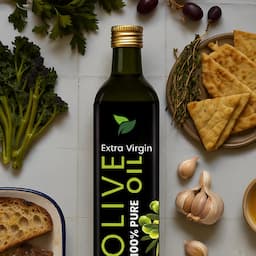
Olive oil is pressed from the fruit of the olive tree (Olea europaea). Extra virgin olive oil (EVOO) is the least processed grade, made by mechanical pressing with no heat or chemicals.
Monounsaturated fat makes up the bulk of the oil, led by oleic acid, alongside vitamin E and antioxidant compounds like oleuropein and oleocanthal.
Coconut oil is pressed from the meat of mature coconuts. Virgin coconut oil is minimally processed and keeps a light coconut flavour, while refined coconut oil is bleached and deodorised for a higher smoke point and neutral taste.
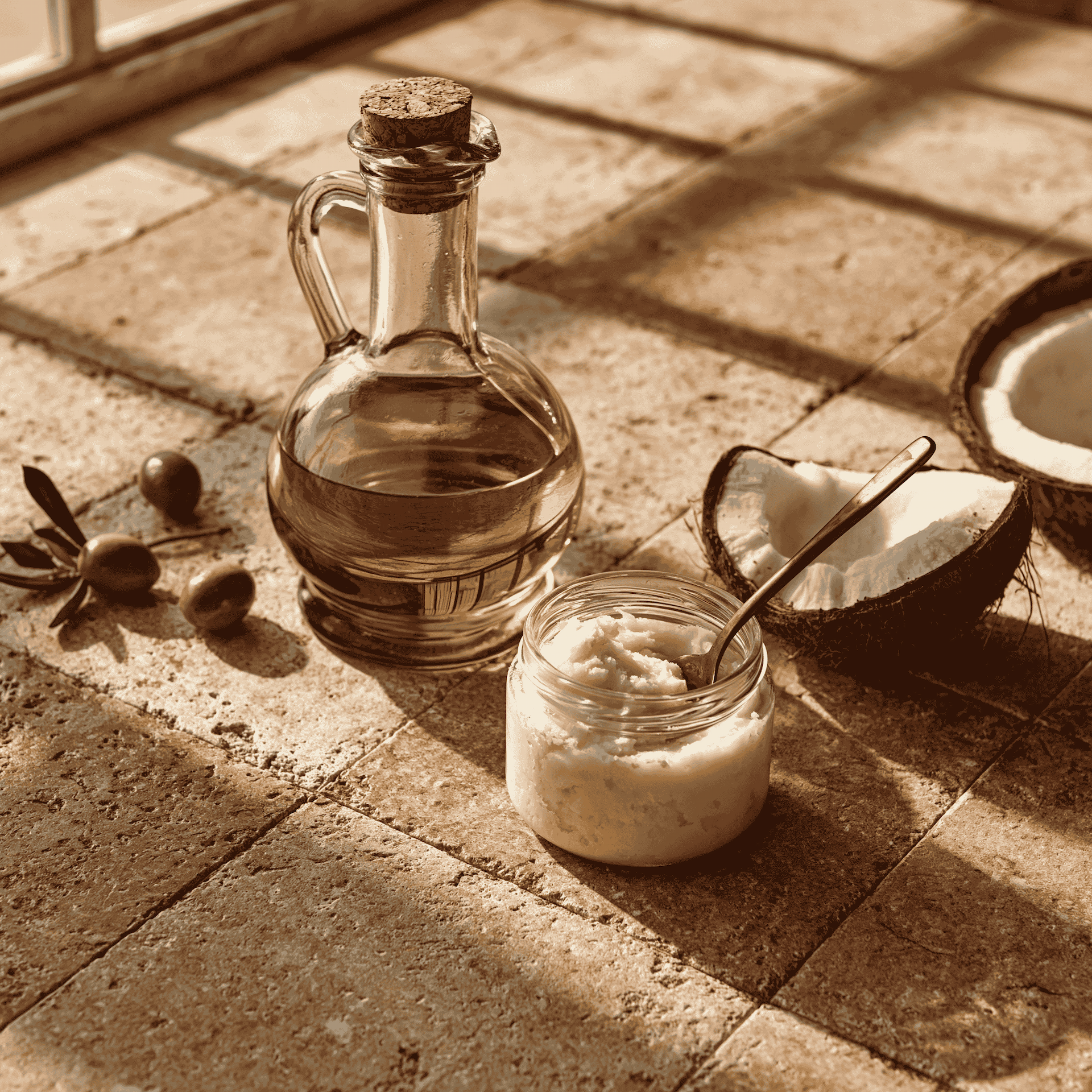
Its signature compound is lauric acid, a medium-chain fatty acid with antimicrobial properties. One key distinction: coconut oil is solid at room temperature, whereas olive oil stays liquid — which matters in a warm climate like Pakistan's.
Nutrition Comparison
On a nutrition label the two look almost identical — USDA data lists both at roughly 120 calories and 14 g of fat per tablespoon. The difference is the type of fat — and that decides which is healthier.
Olive oil is dominated by monounsaturated fat and carries polyphenol antioxidants — oleuropein, hydroxytyrosol and oleocanthal — plus vitamin E. Coconut oil is roughly 80–90% saturated fat, which is why experts stay cautious about everyday use.
Which Is Better for Heart Health?
Olive oil has stronger cardiovascular data than almost any other dietary fat. A study in the Journal of the American College of Cardiology linked over half a tablespoon a day to a 15% lower risk of cardiovascular disease.
Swapping a single teaspoon of butter, margarine or mayonnaise for olive oil produced measurable risk reduction in that research.
Coconut oil tells a different story. A review in Circulation pooled multiple trials and found it did not improve waist size or body fat versus other plant oils.
It also raised LDL ("bad") cholesterol — the marker most closely tied to heart-disease risk.
For daily cooking aimed at heart health, olive oil is the clearer choice.
Which Is Better for Cooking?
Because it stays liquid and pours easily, olive oil is the more versatile everyday oil — good for dressings, finishing, sautéing and roasting. Coconut oil is solid at room temperature — awkward for dressings but fine for baking.
In the Pakistani kitchen
Karahi and BBQ: olive oil (or a light/refined olive oil for higher heat) works well for chicken karahi, seekh and tikka marinades — adding richness without a heavy coconut note.
Biryani and nihari: these slow, aromatic dishes traditionally use neutral oil or ghee. A mild olive oil blends in cleanly, while coconut oil can leave a sweet aftertaste that fights the masala.
Curries and salan: a little unrefined coconut oil suits coconut-based South Indian-style curries, but for standard desi salan, olive oil is the safer everyday pick.
Paratha and halwa: coconut oil's solid texture and sweetness can work in halwa and some baked treats; for regular paratha, most households prefer ghee or a neutral oil.
Use extra virgin olive oil for finishing, dressings, and low-to-medium heat. Use a light or refined olive oil for karahi and frying. Keep coconut oil for baking, coconut-based curries, and dishes where its flavour genuinely belongs. For everyday desi salan, olive oil is the safer default over coconut oil's competing sweetness.
Smoke Point Comparison
Smoke point matters most for high-heat desi cooking like deep-frying pakoray or searing meat. Here is how the common grades stack up.
| Oil / Grade | Approx. Smoke Point | Best Use |
|---|---|---|
| Extra virgin olive oil | ~190–207°C | Finishing, dressings, low-to-medium heat |
| Refined / light olive oil | ~240°C | Karahi, deep-frying, high-heat cooking |
| Virgin coconut oil | ~175–190°C | Baking, medium-heat, coconut curries |
| Refined coconut oil | ~230°C | High-heat frying, baking |
For deep-frying, refined (light) olive oil or refined coconut oil handle heat best. Reserve extra virgin olive oil for lower-heat cooking and finishing — aggressive frying destroys the very polyphenols that make it valuable.
Taste Comparison
Extra virgin olive oils pressed from green, early-harvest olives taste pungent, grassy and peppery, while riper olives give a smoother, more buttery oil. Refined and light olive oils are largely neutral.
Unrefined coconut oil carries a mild, sweet coconut flavour; refined coconut oil is almost completely neutral. For desi savoury cooking, olive oil's savoury profile usually blends better, whereas coconut oil's sweetness suits baking and body care.
Hair & Skin Uses
Both oils are popular for hair, and this is one area where coconut oil often wins. Its low molecular weight lets lauric acid penetrate the hair shaft, reducing protein loss during washing — useful for dry, damaged or frizzy hair.
Olive oil sits more on the surface, coating and smoothing strands, and its oleuropein and antioxidants support the scalp; on very fine hair it can feel heavy.
This fits the winter hair-oiling tradition common across Pakistan: a warm coconut-oil massage (champi) deeply conditions dry winter hair, while olive oil makes a lighter pre-wash treatment for the scalp.
For a deeper look at olive oil benefits for hair, see the full guide. For skin, both work as emollients — olive oil for gentle moisturising, coconut oil where a richer, faster-absorbing feel is preferred.
Cost and Availability in Pakistan
Availability shapes the practical choice as much as nutrition does. Olive oil is widely stocked in Pakistan — in supermarkets, pharmacies and online — in EVOO, pure and pomace grades.
As a mostly imported product it usually costs more per litre than local cooking oils, though prices vary widely by brand and grade.
Edible coconut oil is less common on the cooking shelf; much of what's sold locally is marketed for hair and skin rather than the kitchen, so it's important to check that a bottle is food-grade before cooking with it.
Prices move with the market, so compare per-litre cost and grade rather than headline price. For genuine benefit, buy the least-processed grade you can afford, and store away from heat and light.
Which One Should You Choose?
For most everyday cooking and long-term health, olive oil is the stronger choice. Its monounsaturated fats and polyphenols are consistently linked to lower LDL cholesterol and reduced heart-disease risk, and it fits the widest range of dishes.
Coconut oil still has its place: it holds up to high heat, adds sweetness to baking, and shines for hair and skin. Use it deliberately where its flavour and texture help, not as your default cooking fat.
Simple takeaway: keep extra virgin olive oil as your daily kitchen oil for finishing, dressings and medium-heat cooking; reach for refined olive oil for karahi and frying; and keep coconut oil for baking, select curries, and hair and skin care.
"Keep extra virgin olive oil as your daily kitchen oil for finishing, dressings and medium-heat cooking. Use coconut oil deliberately — for baking, coconut curries, and winter hair care — not as your default cooking fat."
Frequently Asked Questions
Is olive oil or coconut oil better for the heart?
Olive oil. Its monounsaturated fat and polyphenols are linked to lower LDL cholesterol and reduced cardiovascular risk, while coconut oil's high saturated fat tends to raise LDL.
Can I fry in olive oil?
Yes — use refined or light olive oil for high-heat frying (smoke point ~240°C). Keep extra virgin olive oil for lower-heat cooking and finishing to protect its antioxidants.
Which is better for hair, olive oil or coconut oil?
Coconut oil penetrates the hair shaft better and suits dry, damaged hair, which is why it's popular for winter champi. Olive oil is lighter and better as a scalp-focused pre-wash treatment for fine hair.
Is coconut oil good for cooking desi food?
It works for baking and some coconut-based curries, but its sweetness and solid texture make it a poor fit for karahi, biryani and nihari, where olive oil or ghee blend in more cleanly.
Which oil is cheaper in Pakistan?
Food-grade coconut oil for cooking can be harder to find, while olive oil is widely stocked across grades. Compare per-litre cost and always check that coconut oil is food-grade before cooking with it.