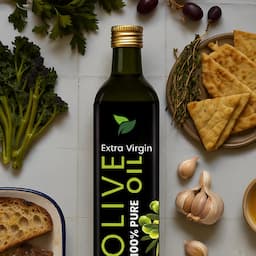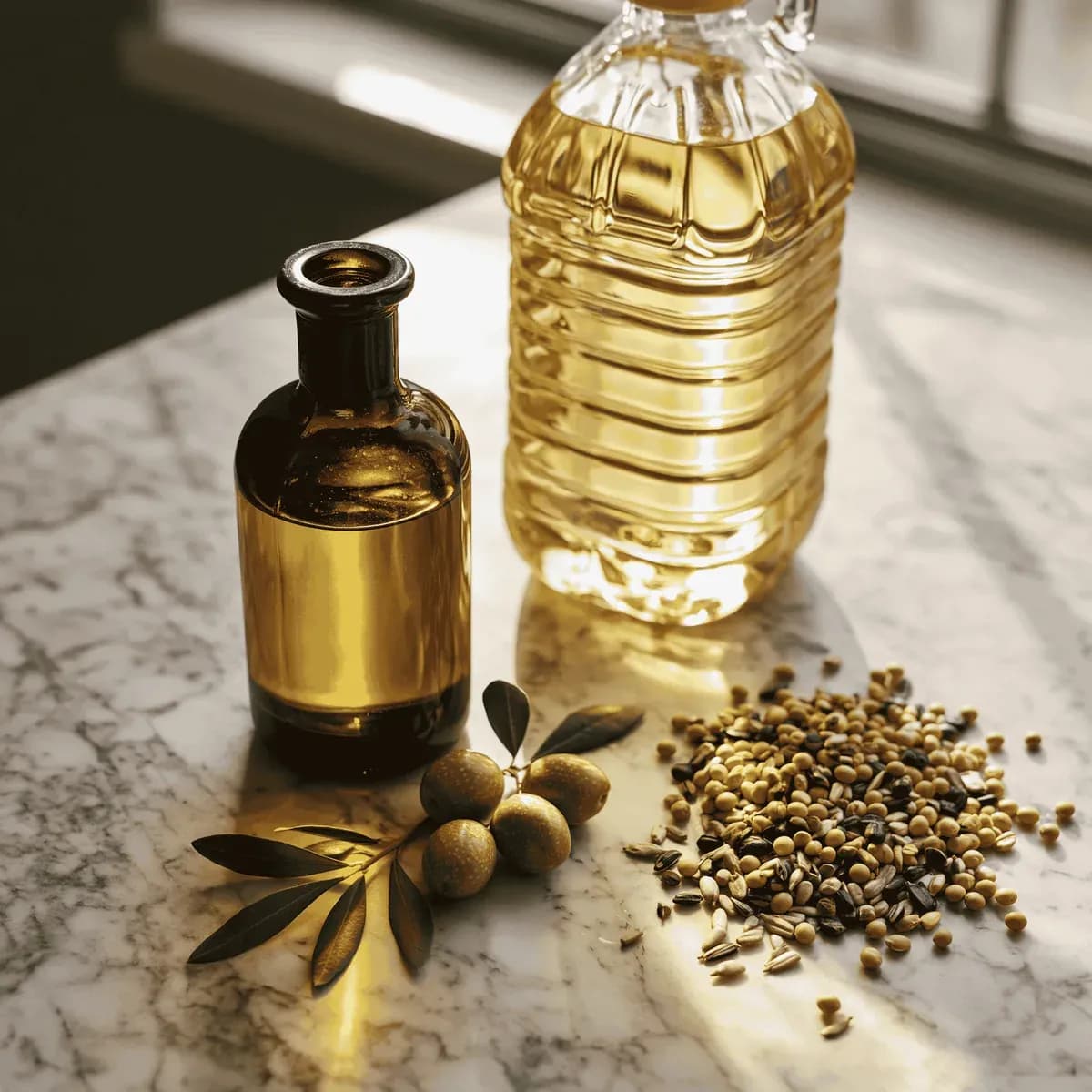
Extra virgin olive oil is the healthier choice — it is minimally processed and rich in monounsaturated fats and polyphenols. Vegetable oil is a refined, neutral-flavoured blend with a higher smoke point, better suited to deep-frying. For most cooking, olive oil delivers more nutrition; vegetable oil wins on high-heat versatility and price.
Olive oil is a liquid fat extracted from the fruit of the olive tree, Olea europaea, through pressing or centrifugation rather than chemical processing — making it one of the least refined edible oils you can buy.
Vegetable oil, by contrast, is a refined blend from multiple plant sources. This guide compares the two across processing, nutrition, smoke point, and everyday cooking, with practical notes for Pakistani kitchens.
What Is Olive Oil?
Olive oil is pressed from whole olives without chemical processing, making it one of the least refined edible oils available. Spain, Italy, Portugal, and Greece dominate global production, and the Mediterranean has cultivated olives for over 6,000 years.
Machine presses separate the fruit pulp from solids and pomace, yielding grades from extra virgin to refined. Extra virgin skips chemical agents entirely, preserving polyphenols, bioactive compounds, and the distinct aromas that make it versatile for dipping, dressing, and finishing.
Those polyphenols and monounsaturated fats — particularly oleic acid — give olive oil its anti-inflammatory and heart-healthy reputation, a key reason the health debate consistently favours extra virgin grades despite their higher price.
Types of Olive Oil
Extra virgin olive oil (EVOO) is the highest grade, produced by cold-pressed extraction without heat or chemicals. Its free acidity must fall below 0.8% — the lowest of any grade — which preserves its flavour, aroma, and colour.
The first cold press yields an intense, regional taste ranging from grassy to peppery depending on olive variety and harvest timing. Virgin oil sits one tier below, allowing acidity up to 2%, making it slightly more processed but still unrefined.
Pure olive oil, often labelled simply "olive oil," is a blend of refined and virgin oil with a milder flavour. Light olive oil is chemically refined at high heat, removing nearly all taste — functionally closer to a standard cooking oil. For high-heat desi cooking, pomace olive oil for daily cooking is the most affordable olive grade, refined to handle frying temperatures.

What Is Vegetable Oil?
Vegetable oil is a liquid fat derived from plants — including seeds, nuts, and fruit — with common sources including soybean, canola, sunflower, corn, and peanut. It is a broad category rather than a single product.
Manufacturers produce it through expeller pressing or chemical extraction, where solvents pull oil from the raw material at high heat. Most commercial versions undergo bleaching, deodorising, and solvent treatment, which strips micronutrients, polyphenols, and antioxidants.
The result is an odourless, mild oil with a light colour and high heat tolerance. The category spans palm, soybean, corn, grapeseed, sesame, rice bran, safflower, and nut oils — each with a high smoke point suited to frying or baking.
Processing and Flavour
Extra virgin olive oil is the least processed of all plant oils — pressed olives release their oil mechanically, without chemicals or excessive heat, preserving flavour compounds, nutrients, and the distinct olive taste.
Cooking oil, by contrast, is a neutral-flavoured blend from sources like canola, cottonseed, sunflower, soybean, and corn. Mixing these sources and cleaning out impurities strips any natural flavour, producing a generic, neutral result.
Harvest timing shapes EVOO's flavour: green, unripe olives yield intense, grassy, peppery notes, while ripe olives produce a smoother, buttery taste. Pure or light grades are more neutral, while EVOO shines as a dipping, finishing, or dressing oil.
Nutritional Profile
Extra virgin olive oil is the least processed cooking fat, which preserves its micronutrients and bioactive compounds. One tablespoon delivers vitamin E, polyphenols like oleuropein, hydroxytyrosol, and oleocanthal, plus phytosterols, squalene, and carotenoids.
Refined cooking oil lacks meaningful levels of these compounds because refining strips antioxidants and tocopherols, leaving mostly unsaturated fatty acids and calories with minimal nutritional value.
The fatty acid split matters: olive oil runs roughly 73% oleic acid (monounsaturated fat), while vegetable oil carries more omega-6 polyunsaturated fat, which can turn pro-inflammatory in excess — a concern since modern diets already deliver high omega-6.
EVOO's polyphenol antioxidants fight oxidative stress and support healthy cholesterol by lowering LDL ("bad") cholesterol while protecting HDL — benefits refined oils cannot match because heat and refining destroy these compounds.
Smoke Point
Smoke point is the temperature at which an oil breaks down, visibly smokes, and creates harmful compounds including free radicals — so it determines which oil suits your cooking method before you apply heat.
EVOO reaches roughly 175–210°C, refined olive oil about 200–240°C, and light olive oil around 240°C. Vegetable oil sits near 230°C and canola around 200°C — meaning similar smoke points exist across grades once oils are highly processed.
The grade you choose depends on context: EVOO retains nutrients but carries a lower smoke point than refined versions. Watch for early indicators — shimmering, thinning, and rapid movement across the pan — that signal the oil is approaching its threshold.
Olive Oil vs Vegetable Oil: Head to Head
Olive oil comes from pressed olives, making it a single-source fat, while vegetable oil is a blend from multiple plant sources processed together into one neutral product. Here is how they compare directly.
| Feature | Extra Virgin Olive Oil | Vegetable Oil |
|---|---|---|
| Source | Single — pressed olives | Blend of multiple plants |
| Processing | Minimal (cold-pressed) | Refined, bleached, deodorised |
| Dominant fat | Monounsaturated (~73% oleic) | Higher omega-6 PUFA |
| Antioxidants | High (polyphenols, vitamin E) | Very low |
| Smoke point | ~175–210°C | ~230°C |
| Best use | Dressings, sautéing, finishing | Deep-frying, baking |
Their flavours differ sharply: olive oil delivers a green, earthy, fruity, sometimes peppery taste ideal for dressings and dips, while vegetable oil stays neutral and won't change your food's taste during baking or frying.
Both carry roughly 120 calories per tablespoon, but differ in fat quality. Heat stability separates them too — refined blends handle higher temperatures, while EVOO, richer in vitamins and polyphenols, remains preferred for dressings, sautéing, and medium-heat cooking.
Health Benefits
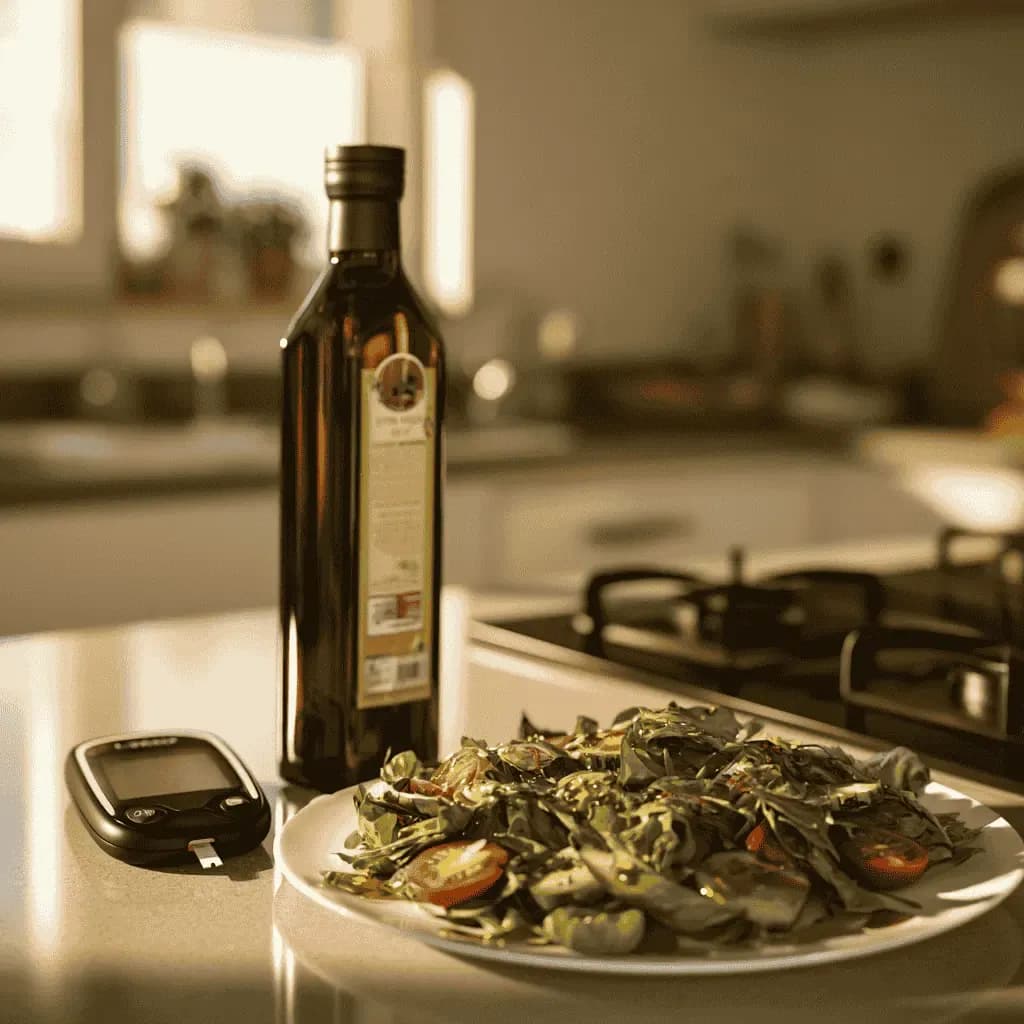
Extra virgin olive oil retains vitamins, minerals, and polyphenolic compounds that neutralise free radicals. Vegetable oil, by contrast, provides minimal beneficial nutrients — essentially empty calories with few associated health benefits.
Swapping vegetable oil for EVOO delivers well-researched advantages for heart and brain health. A 2020 study linked higher olive oil intake to a lower risk of cardiovascular disease and coronary heart disease in both men and women.
EVOO is predominantly oleic acid — a monounsaturated fat that lowers LDL and raises HDL, keeping arterial walls elastic. Its antioxidants, driven by hydroxytyrosol, give it the lowest oxidation rate among common cooking oils.
Quality determines whether those calories — 9 per gram of fat — actually benefit your body. Replacing vegetable oil with extra virgin olive oil during a quick sauté is the simplest way to get more from every tablespoon.
Use vegetable oil (or refined olive oil) for deep-frying pakoras, samosas, and puri where sustained high heat is needed. Use extra virgin olive oil for salad dressings, dips, marinades, and medium-heat sautéing — the bhuna stage, tarka, and finishing. For baking cakes, either works; a lemon olive oil cake specifically calls for EVOO.
Choosing the Right Oil for Each Cooking Method
Choosing the right oil starts with your cooking method. For high-heat cooking like deep-frying, vegetable oil is best — its higher smoke point handles sustained high temperatures without breaking down or producing harmful compounds.
For medium-heat cooking like roasting, both oils work. Olive oil adds a savoury, fruity note to roasted vegetables, while vegetable oil stays neutral — the better pick when you don't want added taste competing with your dish.
For baking, most recipes accept vegetable oil because its neutral profile won't interfere with sweetness. However, olive oil cakes — particularly a citrus lemon olive oil cake — specifically call for EVOO for its distinct flavour.
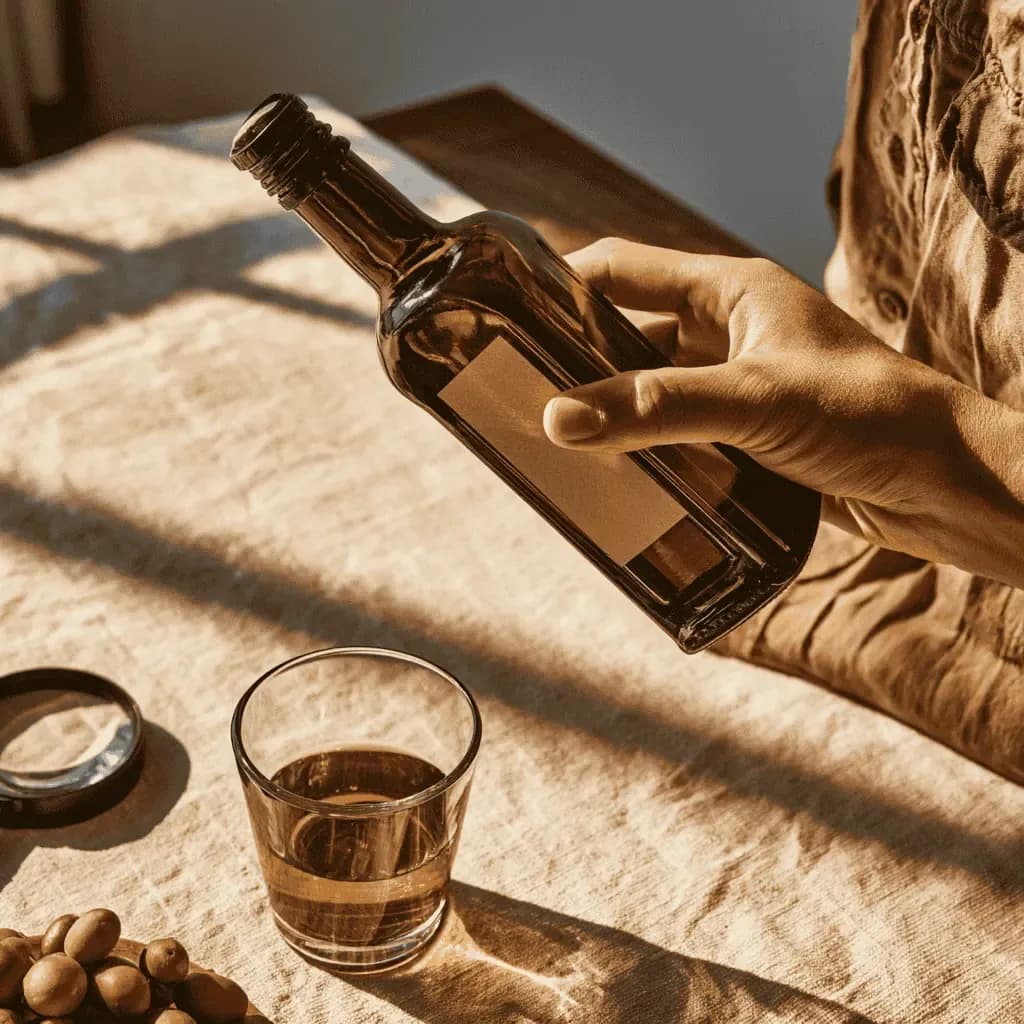
For low-heat cooking, dressings, and dips, reach for extra virgin olive oil, which retains trace vitamins, minerals, and plant compounds that support heart and brain health — benefits highly processed oils simply cannot match. Compare grades and sizes against the current olive oil price in Pakistan before you buy.
"Reach for vegetable oil when the heat is high and sustained — deep-frying pakoras and samosas. Reach for extra virgin olive oil for dressings, dips, and medium-heat cooking, where its polyphenols and flavour are preserved."
Frequently Asked Questions
Is olive oil healthier than vegetable oil?
Yes, for most uses. Extra virgin olive oil keeps the polyphenols and monounsaturated fats that refining strips from vegetable oil. It is linked to lower LDL cholesterol and less inflammation, while vegetable oil is higher in pro-inflammatory omega-6 fats.
Can I deep-fry in olive oil?
For sustained deep-frying, refined olive oil or vegetable oil works better — extra virgin olive oil's smoke point (~175–210°C) is lower. Keep EVOO for sautéing, dressings, and finishing to protect its antioxidants.
Is vegetable oil bad for you?
Not inherently, but it offers little nutritionally and is higher in omega-6 polyunsaturated fats. Since modern diets already deliver high omega-6, replacing some vegetable oil with olive oil improves your overall fat balance.
Which oil is better for Pakistani cooking?
Both have a place. Use vegetable oil for deep-frying pakoras, samosas, and puri; use extra virgin olive oil for dressings, dips, tarka, and medium-heat sautéing where its flavour and nutrition are worth it.
Does olive oil lose its benefits when heated?
Some polyphenols degrade at high heat, but olive oil stays stable at medium temperatures thanks to its monounsaturated fat. For maximum benefit, use EVOO raw or at medium heat, and save refined oils for high-heat frying.