Extra virgin olive oil is generally healthier than canola oil due to its higher polyphenol and antioxidant content — which canola loses during refining. For most stovetop cooking and finishing, EVOO is the stronger nutritional pick. Canola oil remains the more practical and economical choice for high-heat deep frying.
A practical, evidence-based comparison for Pakistani home cooks — from karahi and biryani to salad dressings.
Olive oil is prized for its polyphenols and antioxidants; canola for its mild flavour, high smoke point, and friendlier price. This guide breaks down how each is made and how to choose between them for everyday Pakistani cooking.
How Canola Oil Is Made
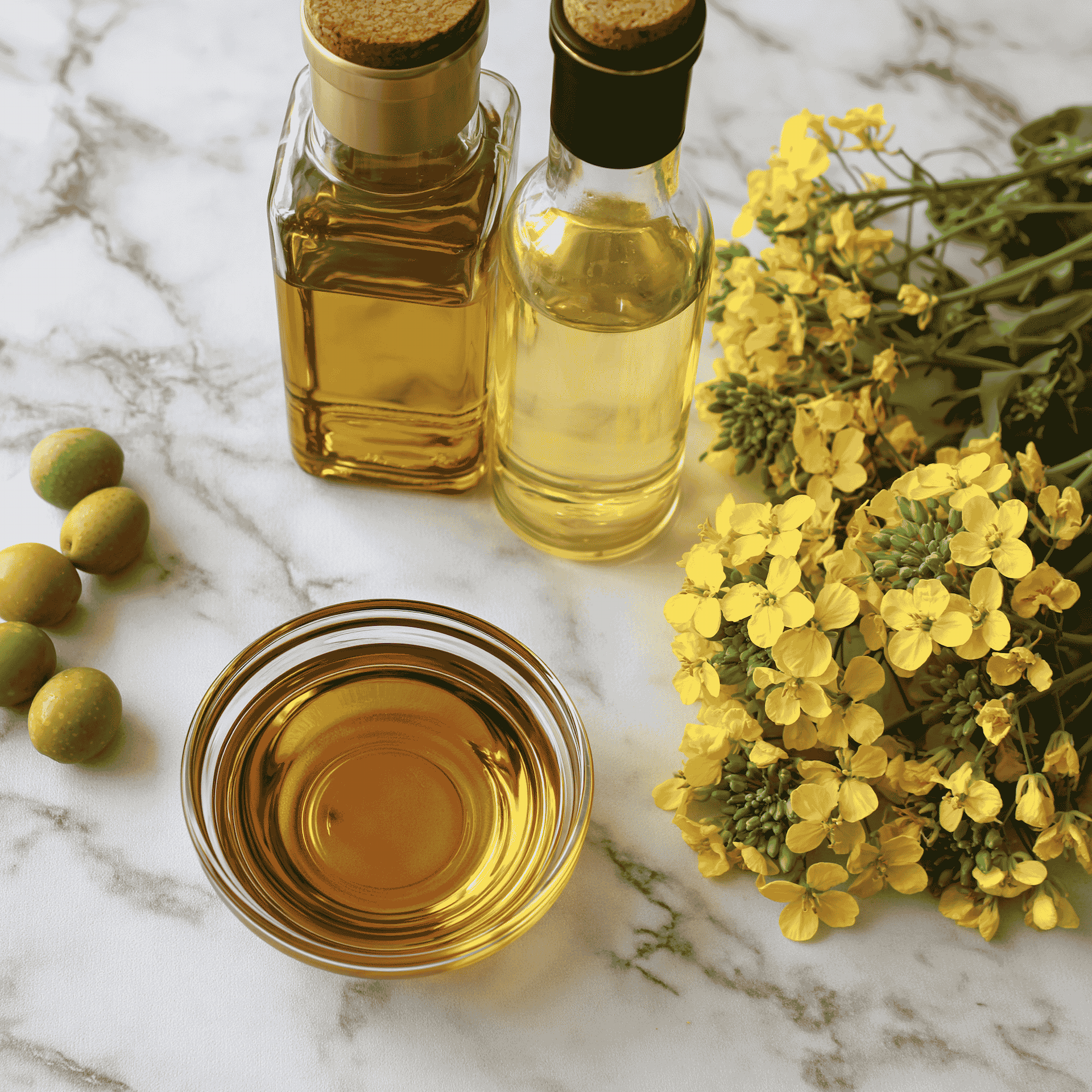
Canola oil starts as rapeseed (Brassica napus), a plant in the same family as mustard. Natural rapeseed contains two compounds — erucic acid and glucosinolates — at levels considered unsuitable for regular eating.
Through conventional plant breeding, growers developed a low-erucic-acid variety — the source of today's food-grade canola oil. The seeds are crushed, extracted, then refined, bleached, and deodorised into the neutral, pale oil sold in stores.
This refining process gives canola its long shelf life and high smoke point — but it also strips away most of the plant's natural colour, aroma, and antioxidants.
How Olive Oil Is Made
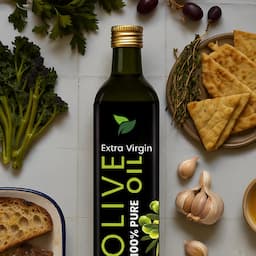
Olive oil is pressed from olive fruit — and how much processing it undergoes determines its grade. Extra virgin olive oil (EVOO) comes from the first cold pressing of ripe olives, with no chemicals or high heat involved.
That gentle handling keeps its polyphenols and characteristic flavour intact. Refined or "pure" olive oil is processed more heavily, giving it a milder taste and higher smoke point but fewer antioxidants.
Nutritional Profile: A Side-by-Side Look
Per tablespoon, both oils contain roughly 120 calories and 14 grams of fat, with no protein, carbohydrate, or trans fat (USDA FoodData Central). The meaningful difference lies in the type of fat and the presence of antioxidants.
| Nutrient (per tbsp) | Extra Virgin Olive Oil | Canola Oil |
|---|---|---|
| Calories | ~120 kcal | ~120 kcal |
| Total fat | 14 g | 14 g |
| Monounsaturated fat | ~73% | ~63% |
| Saturated fat | ~14% | ~7% |
| Omega-3 (ALA) | Trace | ~1.3 g |
| Polyphenols / antioxidants | High (150–500 mg/kg) | Very low |
| Smoke point | ~190°C (EVOO) | ~230–240°C |
Antioxidants and Polyphenols
This is where the two oils separate most clearly. Extra virgin olive oil is rich in polyphenols such as oleuropein, hydroxytyrosol, and oleocanthal — plant compounds linked in research to reduced inflammation and a lower risk of chronic disease.
Canola oil contains very little of this kind of antioxidant — the refining process that makes it shelf-stable removes most polyphenols. If antioxidant content is your priority, EVOO is the clear winner.
Heart Health and Cholesterol
Both oils are low in saturated fat. Replacing saturated fats (like ghee, butter, or palm oil) with unsaturated ones is one of the better-established ways to support heart health — a point echoed by the American Heart Association.
Canola oil is high in monounsaturated fat and also supplies alpha-linolenic acid (ALA), a plant-based omega-3. Several trials have found it can modestly lower LDL ("bad") cholesterol and total cholesterol.
Olive oil — especially EVOO — lowers LDL while tending to support HDL ("good") cholesterol. Its polyphenols may also reduce the oxidation of LDL particles, a step thought to matter in plaque formation.
Both oils can be part of a heart-friendly diet. What matters most is the overall eating pattern — plenty of vegetables, fruit, whole grains, daals, and unsaturated fats, with less reliance on saturated fat.
Smoke Points, Frying, and High-Heat Cooking
The smoke point is the temperature at which an oil begins to break down and smoke, releasing off-flavours and unwanted compounds.
Canola oil's higher smoke point and neutral taste make it well suited to genuinely high-heat jobs — deep-frying samosas and pakoras, or frying a large batch of puri without the oil tasting heavy.
Olive oil's reputation as "unsuitable for frying" is overstated. EVOO is stable thanks to its monounsaturated fat and antioxidants — it handles everyday Pakistani cooking well. That includes bhuna, garlic-cumin tarka, sautéing onions for qeema, or shallow-frying paratha.
For very long, very hot deep-frying, refined olive oil or canola is the more practical and cheaper choice. Prolonged high heat dulls EVOO's flavour and reduces its beneficial compounds.
A simple rule of thumb: reach for canola when the heat is high and the volume is large; reach for olive oil when flavour and nutrition matter more than maximum temperature.
Use canola or refined olive oil for deep-frying samosas, pakoras, and puri. Use pure or EVOO for tarka, bhuna, and medium-heat sautéing. Finish biryani, daal, or grilled kebabs with a drizzle of cold-pressed EVOO after cooking — this is when its polyphenols are preserved and its flavour shines most.
Flavour and Everyday Cooking Uses
Canola oil's neutral flavour is its strength: it stays in the background, making it dependable for baking, frying, and dishes where you do not want the oil to compete — cakes, fried snacks, or everyday aloo bhujia.
Extra virgin olive oil is a flavour you cook around. Its fruity, peppery character shines when not cooked to death: drizzled over a salad, brushed on grilled fish, stirred into hummus, or finished over warm flatbread.
Its taste can feel unfamiliar in desi dishes — many cooks keep refined olive oil for cooking and save EVOO for finishing. There is no rule against swapping one for the other; just expect the flavour to shift.
Cost and Availability in Pakistan
Price is the most practical difference for most households. Canola oil is inexpensive, widely stocked, and easy to buy in bulk — a big reason it dominates commercial kitchens and large-batch frying.
Olive oil costs noticeably more, and extra virgin grades more still. Prices also swing year to year with the harvest. You can check the current olive oil price in Pakistan to find the best value.
For many Pakistani families, the realistic answer is to keep both: canola for high-volume frying, and a bottle of good extra virgin olive oil for cooking and finishing where its flavour and nutrients are worth the premium.
A Quick Word on Other Oils
Olive oil and canola are not the only options. Coconut oil is high in saturated fat and generally raises cholesterol more than unsaturated oils — best used sparingly.
Vegetable and seed oils are high in polyunsaturated fat and inexpensive, but lower in antioxidants.
For the purposes of this comparison, olive oil and canola remain the two most relevant everyday choices for Pakistani households.
The Verdict: Which Should You Choose?
Current evidence generally favours extra virgin olive oil for daily use, mainly because of its polyphenols and antioxidant content, which canola loses during refining. For finishing, dressings, and most stovetop cooking, EVOO is the stronger nutritional pick.
That said, canola oil remains a reasonable, heart-conscious option — especially for high-heat, high-volume frying where its smoke point and low cost are genuinely useful.
It is worth noting that some research linking canola to heart benefits has been industry-funded, and a few studies show mixed effects. The case for olive oil rests on a broader and more consistent body of evidence.
The most practical approach is to use each oil where it performs best: canola for deep-frying and baking, and a quality extra virgin olive oil for cooking, dressings, and finishing. Either way, both beat the saturated fats they often replace.
"Use canola when the heat is high and the volume is large. Use EVOO when flavour and nutrition matter — finishing, dressings, tarka, and most everyday stovetop cooking. Both beat the saturated fats they replace."
Frequently Asked Questions
Is olive oil or canola oil better for you?
For most people, extra virgin olive oil has the edge — it keeps the polyphenols that refining removes from canola. These compounds are linked to reduced inflammation and oxidative stress protection. Canola is still a sound choice for high-heat frying.
Is olive oil the same as canola oil?
No. They differ in source, flavour, fat profile, and best uses. Olive oil is pressed from olive fruit. Canola is a refined seed oil made from low-erucic acid rapeseed, usually processed with heat and a solvent.
Can I fry with olive oil in Pakistani cooking?
Yes — olive oil handles the medium-to-high heat of bhuna, tarka, and shallow-frying well. For long, very hot deep-frying of large batches (puri, pakoras), canola or refined olive oil is more practical and economical.
Which oil is cheaper in Pakistan?
Canola oil is consistently cheaper and easier to find in bulk. Olive oil, especially extra virgin, costs more and its price varies with each year's harvest.