Olive oil may moisturise the face, strengthen the skin barrier, reduce inflammation, and provide antioxidant protection — thanks to its vitamin E, oleic acid, squalene, and polyphenol content. It is most suitable for dry or normal skin. Acne-prone or oily skin should use it cautiously and patch test first.
Top Benefits of Olive Oil for the Face
Antioxidant Protection
Olive oil's antioxidant properties come primarily from its polyphenols, vitamin E, oleic acid, and squalene — compounds that help neutralise free radicals before they trigger cell damage or accelerate premature ageing.
Oleocanthal, a phenolic compound in extra virgin olive oil, shares an anti-inflammatory mechanism with ibuprofen and may help reduce oxidative stress at the cellular level. This antioxidant action supports healthier-looking skin over time.
Beyond UV-related stress, these antioxidants help the skin cope with environmental damage from pollution and sun exposure by supporting cell turnover and a more even surface.
Deep Moisturising
Extra virgin olive oil forms a light lipid layer that helps prevent water loss and supports the skin barrier. Its squalene content — a compound your skin already produces — helps seal in moisture without disrupting the skin's natural chemistry.
Its oleic acid penetrates the upper layers of dry skin, delivering deep hydration — especially useful during winter for dry patches and flakiness. The vitamin E content supports cell turnover, helping dry and sensitive skin stay supple.

Anti-Ageing Support
By targeting oxidative stress, olive oil may help slow the breakdown of collagen and elastin that contributes to fine lines and wrinkles. Polyphenols and vitamin E work together to protect collagen and support skin elasticity.
Applied at night, olive oil gives antioxidants extended contact time with the skin — supporting a more youthful appearance over time through its skin regeneration properties.
Anti-Inflammatory and Soothing Effects
Oleocanthal blocks some of the same enzyme pathways as ibuprofen, giving olive oil measurable anti-inflammatory effects that may help calm redness and irritation. Triterpenes in the oil may also support the skin's barrier against everyday stressors.
For reactive skin exposed to sunburn or windburn, olive oil can offer gentle soothing support. Limited studies suggest it may ease dryness associated with psoriasis and eczema, though it should not replace medical treatment for these conditions.
Antibacterial Properties
Laboratory studies suggest compounds in olive oil, such as oleuropein, may limit the growth of certain bacteria — including Staphylococcus aureus, sometimes associated with breakouts.
These antimicrobial qualities are part of why olive oil appears as a base ingredient in some soaps and cleansers.
Its anti-inflammatory action may also help reduce the redness and irritation that accompany active blemishes. Even so, olive oil should not be treated as a clinical acne treatment.
Radiant Glow and Even Tone
Vitamin E in olive oil helps neutralise free radicals from environmental damage, supporting a brighter, more even skin tone with regular use. Used consistently as a moisturiser or gentle makeup remover, it can leave skin with a healthy glow.
Why Olive Oil Works
Olive oil mirrors compounds your skin already produces — part of why it suits facial use. Its oleic acid content — typically 55–83% of total fatty acids — penetrates the lipid layer and reinforces the skin's natural barrier.
Olive oil also delivers tocopherol (vitamin E) and polyphenols that combat oxidative stress at the cellular level. Squalene acts as a natural emollient, providing softening and protection without clogging pores in most skin types.
Large randomised clinical trials on olive oil for skin remain limited — many findings come from smaller studies. Olive oil is a well-established natural remedy, but a dermatologist is the best guide if you have sensitivities or a skin condition.
You can also explore the broader olive oil benefits for skin to understand how this oil supports your overall complexion.
How to Apply Olive Oil on Your Face
Unrefined extra virgin olive oil works best as a night treatment. Apply two to three drops to cleansed, slightly damp skin, massage gently, then leave overnight.
During the day, always follow with sunscreen — olive oil offers no sun protection.
Use only 2–3 drops for the face — excess oil increases the risk of clogged pores without adding benefit. Apply to slightly damp skin for better absorption. Always patch test on your inner arm for 24 hours before applying to your face. Never use olive oil as a substitute for SPF during the day. For overnight use, protect your pillowcase with an old cover.
As a Makeup Remover
Olive oil's lipid structure dissolves water-resistant makeup — including waterproof mascara — without stripping the skin. Press a small amount on a cotton pad against eye makeup for 20 seconds, then wipe gently.
It works well as the first step of a double cleanse, followed by a mild cleanser.
As a Gentle Exfoliator
Mixed with a little sugar or fine salt, olive oil lifts dead skin cells while adding moisture. Use light circular motions for under a minute and rinse with warm water. This is gentler than many acid-based scrubs for dry skin.
As a Face Mask
Combine olive oil with honey, plain yogurt, or mashed avocado for a hydrating 15-minute face mask. Yogurt's lactic acid supports surface turnover while olive oil seals in moisture. Always patch test a new mask before applying to the whole face.
For the Appearance of Scars and Marks
Vitamin E and antioxidants in olive oil support skin regeneration. Applying olive oil consistently to small scars or post-acne marks may gradually improve their appearance, though results vary.
Avoid pairing with lemon juice — it increases photosensitivity. Always patch test first for sensitive areas.
Best Skin Types for Olive Oil
Olive oil suits some skin types far better than others. Use this guide to decide whether it fits your routine.
| Skin Type | Suitability | Guidance |
|---|---|---|
| Dry skin | ✅ Best fit | Use nightly — oleic acid penetrates and deeply hydrates dry patches |
| Normal skin | ✅ Good fit | 2–3 drops at night as a moisturiser or serum booster |
| Combination skin | ⚠️ Use with care | Apply only to dry areas (cheeks, forehead) — avoid the T-zone |
| Oily skin | ❌ Not recommended | Oleic acid may clog pores — try jojoba oil instead |
| Acne-prone skin | ❌ Avoid or patch test | Comedogenic risk — likely to worsen breakouts for most people |
| Sensitive / reactive skin | ⚠️ Patch test first | 24-hour patch test mandatory — risk of contact dermatitis |
Risks and Side Effects
Oily and acne-prone skin may react poorly to olive oil because its oleic acid is comedogenic — meaning it can contribute to clogged pores and breakouts. Jojoba oil carries a lower risk of pore-blocking for these skin types.
Always do a patch test on your inner arm and wait 24 hours before applying to a larger area. Using a cotton pad limits excess and reduces the chance of irritation on a compromised skin barrier.
Olive oil provides no SPF, so it offers zero sun protection on its own and should never replace sunscreen during the day. Applying oil before sun exposure can leave skin more vulnerable — reserve facial oil for nighttime use.
Who Should Avoid Olive Oil on the Face
Olive oil is not the right choice for everyone. Consider avoiding it, or speaking with a dermatologist first, if you fall into one of these groups:
Acne-prone skin — oleic acid may worsen breakouts for some people.
Very oily skin — the added occlusion can feel heavy and congest pores.
Known olive or oleic acid allergies — risk of an allergic reaction.
Infants and very young children — their skin barrier is immature and may react poorly; use only under medical guidance.
"Olive oil is an excellent natural moisturiser for dry and normal skin — but its oleic acid is comedogenic, making it unsuitable for oily or acne-prone skin. Match the oil to your skin type, and always patch test before use."
How to Choose the Best Olive Oil
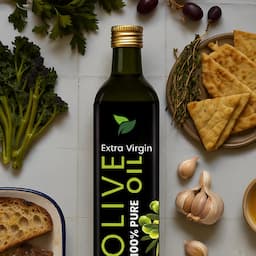
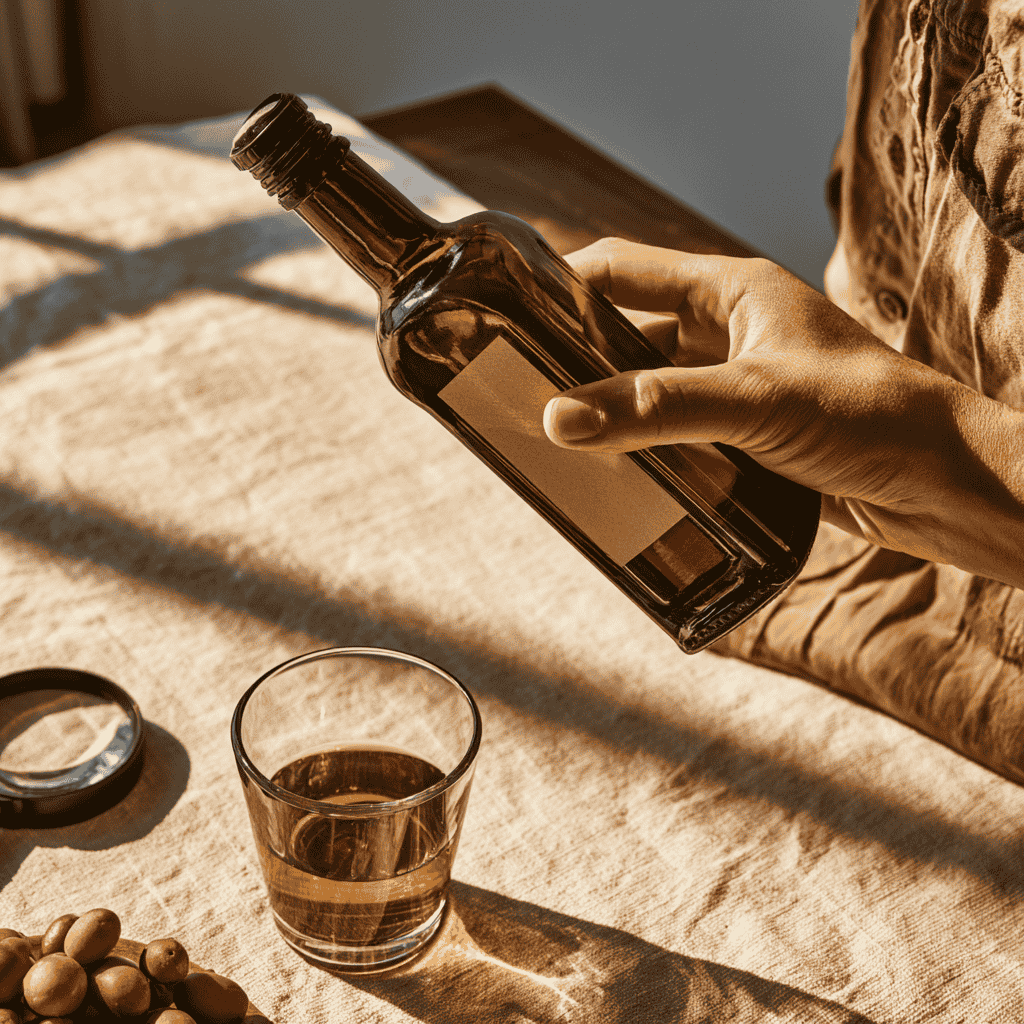
Extra virgin olive oil (EVOO) is the least processed option and retains more polyphenols and fatty acids than refined grades. Look for an acidity level below 0.8%, which indicates fresher oil and lower oxidation.
Favour pure oil free from additives — certification from a recognised olive oil body confirms verified purity. Lower-quality oils from damaged olives carry higher acidity and may stress the skin barrier rather than support it.
Storage matters as much as sourcing. Heat, light, and oxygen speed up rancidity — buy smaller bottles, store them in a cool dark place away from steamy bathrooms, and use the oil reasonably soon after opening.
Choosing Olive Oil in Pakistan
If you are buying olive oil for your skin in Pakistan, a few local pointers help you get a genuine, effective product. You can compare options and check the olive oil price in Pakistan before making a purchase decision.
Choose certified extra virgin olive oil rather than blended or pomace grades for facial use. Check the harvest or expiry date — fresher oil retains more polyphenols. Be cautious of adulterated or diluted oils common in informal markets.
Buy from reputable brands or trusted local retailers with proper sealing and labelling. Prefer dark glass bottles, which protect the oil from light and slow rancidity in warm climates.
Frequently Asked Questions
Which type of olive oil is best for the face?
Extra virgin olive oil is best for facial use — minimally processed, with high polyphenol and oleic acid levels. Cold-pressed varieties with acidity below 0.8% offer fresher fatty acids than refined grades.
If skin feels greasy after use, apply only a pea-sized amount to damp skin.
Can I apply olive oil on my face daily?
Most people with dry or normal skin can use olive oil daily — its emollient and anti-inflammatory properties suit skin that loses moisture quickly.
If you have oily or acne-prone skin, daily use may clog pores. Pay attention to how your skin responds and adjust accordingly.
Can olive oil remove dark spots?
Olive oil will not erase dark spots, but its antioxidants and vitamin E may gradually improve overall tone and texture. Avoid mixing with lemon juice — citrus increases sun sensitivity. For stubborn hyperpigmentation, a dermatologist can recommend targeted treatments.
Is olive oil safe for oily skin?
Olive oil should be used cautiously on oily skin. Its oleic acid is comedogenic and may clog pores for some people.
If you want to try it, patch test first, use only a drop or two at night, and switch to jojoba oil if you notice congestion or breakouts.
Can I leave olive oil on my face overnight?
Yes — overnight application gives antioxidants extended contact time during the skin's natural repair cycle. Apply a thin layer to clean, slightly damp skin and use an old pillowcase to avoid staining.
In the morning, cleanse as usual and follow with sunscreen.