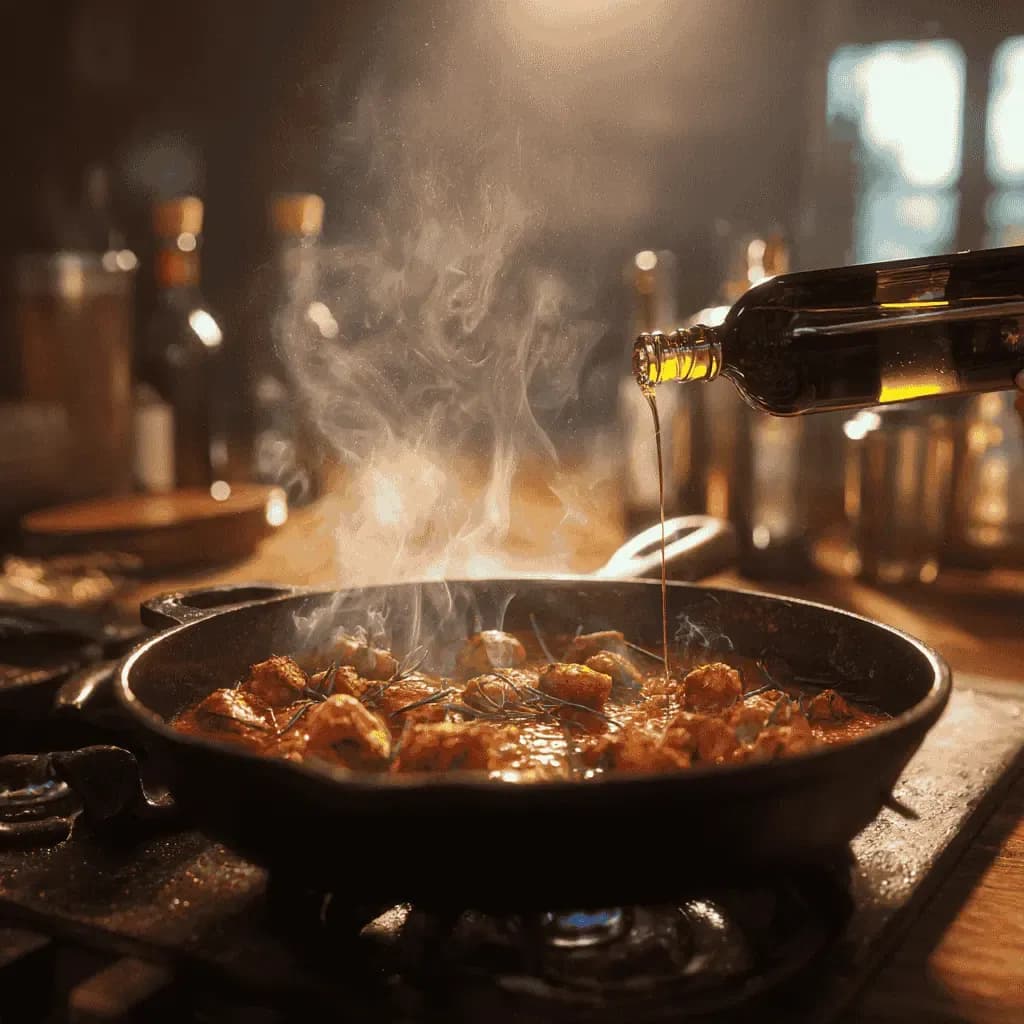
Olive oil is a versatile cooking fat ideal for Pakistani cuisine. Extra virgin olive oil (EVOO) is best for finishing, dressings, and low-heat cooking. Pomace olive oil handles deep frying and high-heat applications like bhuno and tarka. Match the grade to the method for maximum benefit and flavour.
Olive oil is one of the most versatile and trusted cooking fats on the planet, prized across centuries for its distinct taste and documented heart health credentials.
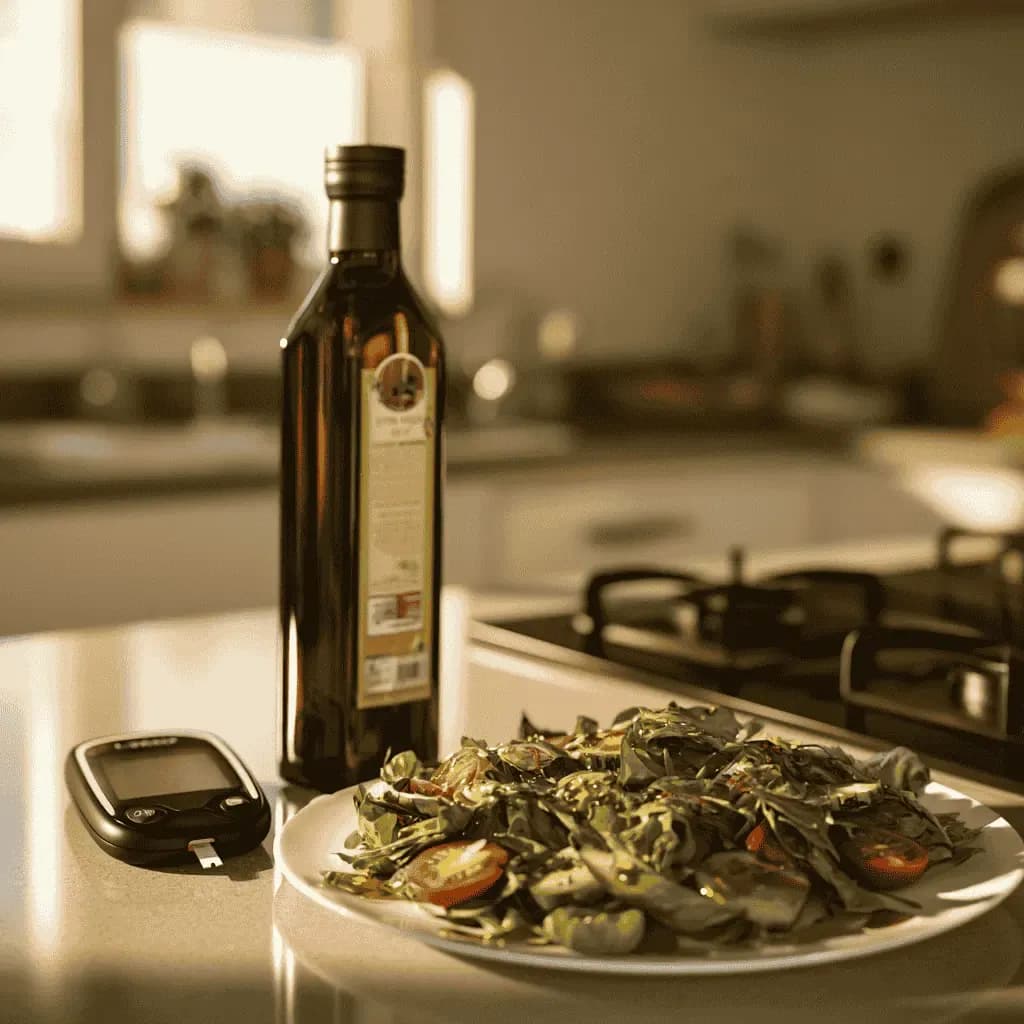
Just 25ml — roughly one tablespoon — of extra virgin olive oil daily can lower harmful cholesterol, support blood pressure regulation, aid glycaemic control, and assist weight management.
Pure, unrefined extra virgin olive oil also delivers antioxidants, vitamins, and healthy fats for skin, hair, and overall wellness. You can explore zaitoonkatail.pk for olive oil grades suited to Pakistani households.
What Is Extra Virgin Olive Oil?
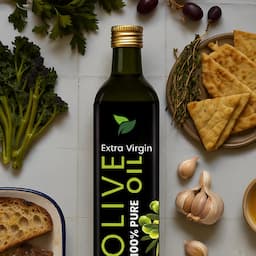
Extra virgin olive oil is the gold standard among all grades. Its cold-press method uses only mechanical pressing — no chemicals, solvents, or heat — preserving natural nutrients and keeping acidity below 0.8%, which defines the highest grade.
That unrefined form delivers monounsaturated fatty acids at 73–77% and polyunsaturated fats at 9–11%, alongside vitamins, antioxidants including phenols and tocopherols, and bioactive compounds like polyphenols — all supporting heart disease prevention and blood sugar regulation.
Each tablespoon contains 119 kcal. Used raw as a finishing oil or at lower temperatures, it delivers maximum health benefits — including anti-inflammatory, anti-ageing, and improved digestive health — that refined oils simply cannot match.
What Is Pomace Olive Oil?
Pomace olive oil is the lowest-quality grade, extracted from leftover olive pulp — the residue after first cold-pressed extraction — using solvents and chemicals. This strips most of its natural taste and aroma, leaving a nearly neutral oil.
Because it undergoes heavy refining, pomace oil is often blended with small amounts of virgin oil to restore minimal flavour. It is fully edible and the least expensive option, making it practical for commercial kitchens and budget-conscious households.
Its smoke point of 230–250°C makes pomace olive oil genuinely suited for high-heat cooking and deep frying. For Pakistani households frying pakoras, samosas, or puris, it offers the best cost-to-performance ratio of any olive oil grade.
Its neutral taste ensures it does not alter the spice profile of traditional dishes during high-temperature cooking.

Types of Olive Oil for Cooking
Extra Virgin Olive Oil is cold-pressed from fresh olives without heat or chemicals, preserving essential nutrients and healthy fats. Its smoke point of 190°C makes it ideal for salad dressings, finishing dishes, and drizzling — not high-heat cooking.
Pure Olive Oil blends refined and virgin oils, reaching 199–210°C. It suits everyday cooking, moderate frying, and sautéing. Its mild texture also makes it versatile for skin, hair care, and massage.
Pomace Oil, extracted from leftover olive pulp through refining, has the highest smoke point near 220–250°C. It is practical for deep frying, snacks, and gravies — and its affordable price supports regular everyday cooking.
| Grade | Smoke Point | Best For | Polyphenols |
|---|---|---|---|
| Extra Virgin (EVOO) | ~190°C | Finishing, dressings, low-heat sauté, raw use | High (150–500 mg/kg) |
| Pure / Virgin | 199–210°C | Everyday cooking, sautéing, medium-heat | Moderate |
| Pomace | 230–250°C | Deep frying, bhuno, high-heat tarka | Very low |
Frying with Olive Oil
Chefs at the Culinary Institute of America confirm that olive oil handles frying safely. Its smoke point of 210°C (410°F) sits well above the ideal deep-frying temperature of 180°C (356°F), preserving nutritional value throughout the process.
A study in ACTA Scientific Nutritional Health found that heating olive oil to 240°C for up to 6 hours produced only low levels of polar compounds and oxidative by-products.
Its oleic acid and antioxidant content remain far more stable than polyunsaturated fats, which degraded rapidly under the same conditions.
For deep frying, use a less expensive grade such as Pomace at volume. For shallow frying or sautéing, Extra Virgin delivers better flavour outcomes. Replace frying oil every four to five uses when budgets permit.
Add ingredients when the oil shimmers, not when it smokes. A smoking oil has exceeded its optimal temperature, destroying beneficial compounds and producing bitter flavours. This single habit preserves the oil's nutritional profile and improves the taste of every dish — whether you're making tarka, bhuno, or sautéed vegetables.
Best Olive Oil for Pakistani Cooking
Pakistani dishes like karahi, biryani, and salan cook at high heat with bold spices. Contrary to common belief, olive oil holds up well in all of them — when you choose the right grade. Households in Punjab can order cooking olive oil in Faisalabad with cash on delivery.
Pomace and Pure Olive Oil, with smoke points above 210°C, handle tarka, bhuno, and sustained sautéing without breaking down.
For biryani and pulao, use Pomace Olive Oil. Its neutral flavour and high smoke point will not compete with whole spices or saffron. For karahi and sabzi, Pure Olive Oil at medium-high heat delivers mild flavour that complements tomato-based gravies.
For BBQ marinades and seekh kebabs, drizzle Extra Virgin Olive Oil as a finishing oil after cooking. Its polyphenols and peppery aroma add a distinct layer that mustard oil or canola cannot replicate.
Even daal topped with a drizzle of cold-pressed EVOO just before serving captures the health benefits of unrefined olive oil without wasting its delicate flavour in the heat.
"Match the grade to the method: Pomace for frying and bhuno, Pure for everyday cooking, EVOO for finishing and raw use. This single habit unlocks olive oil's full potential in Pakistani cooking."
Common Cooking Mistakes with Olive Oil
The most common mistake is using EVOO for deep frying or high-heat cooking. Its delicate polyphenols are destroyed above 190°C and its smoke point is quickly exceeded. Reserve EVOO for finishing, dressings, and low-heat sautéing.
Overloading the pan reduces oil temperature below the frying threshold, making food absorb more oil instead of crisping.
Maintain 180°C during deep frying and fry in small batches. This preserves oil quality and produces better texture across pakoras and fried snacks.
Reusing olive oil too many times concentrates polar compounds formed during heating. The Culinary Institute of America recommends replacing frying oil after four to five uses.
Monitor for darkening, foam, or a rancid smell — reliable signs the oil has exceeded its usable life.
How Much Olive Oil Should You Use When Cooking?
For sautéing vegetables or cooking eggs, one to two tablespoons per serving is sufficient to coat the pan without making the dish greasy. For dressings and marinades, one tablespoon per portion provides flavour and healthy fats without excess calories.
When deep frying, use enough oil to fully submerge the food — typically 4 to 6 cups for a standard karahi or wok. Pomace Olive Oil's high smoke point and cost-effectiveness make it the practical choice at this volume.
You can reuse the oil up to four times if you filter out food particles after each use and store it in a cool, dark container.
Across all Pakistani cooking methods — whether tarka, bhuno, or dum cooking — add ingredients when the oil shimmers rather than smokes. This single habit preserves the oil's nutritional profile and delivers better flavour in the finished dish.
FAQs About Cooking with Olive Oil
Can I fry with olive oil?
Yes. Pomace and Pure Olive Oil both reach above 210°C, comfortably clearing the 180°C needed for deep frying. EVOO is better reserved for low-heat cooking and finishing dishes.
Which olive oil is best for biryani?
Use Pomace Olive Oil for biryani. Its neutral flavour and high smoke point handle the high-heat bhuno stage without interfering with whole spices or the saffron finish.
For the dum stage, a drizzle of Pure Olive Oil adds richness without excess calories.
Is olive oil better than canola oil for Pakistani cooking?
In most cooking applications, yes. Olive oil provides significantly more monounsaturated fats (73%) and antioxidants than canola oil. Its smoke point supports the full range of Pakistani cooking methods from tarka to dum.
Match the right grade to the right method.