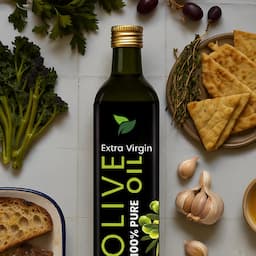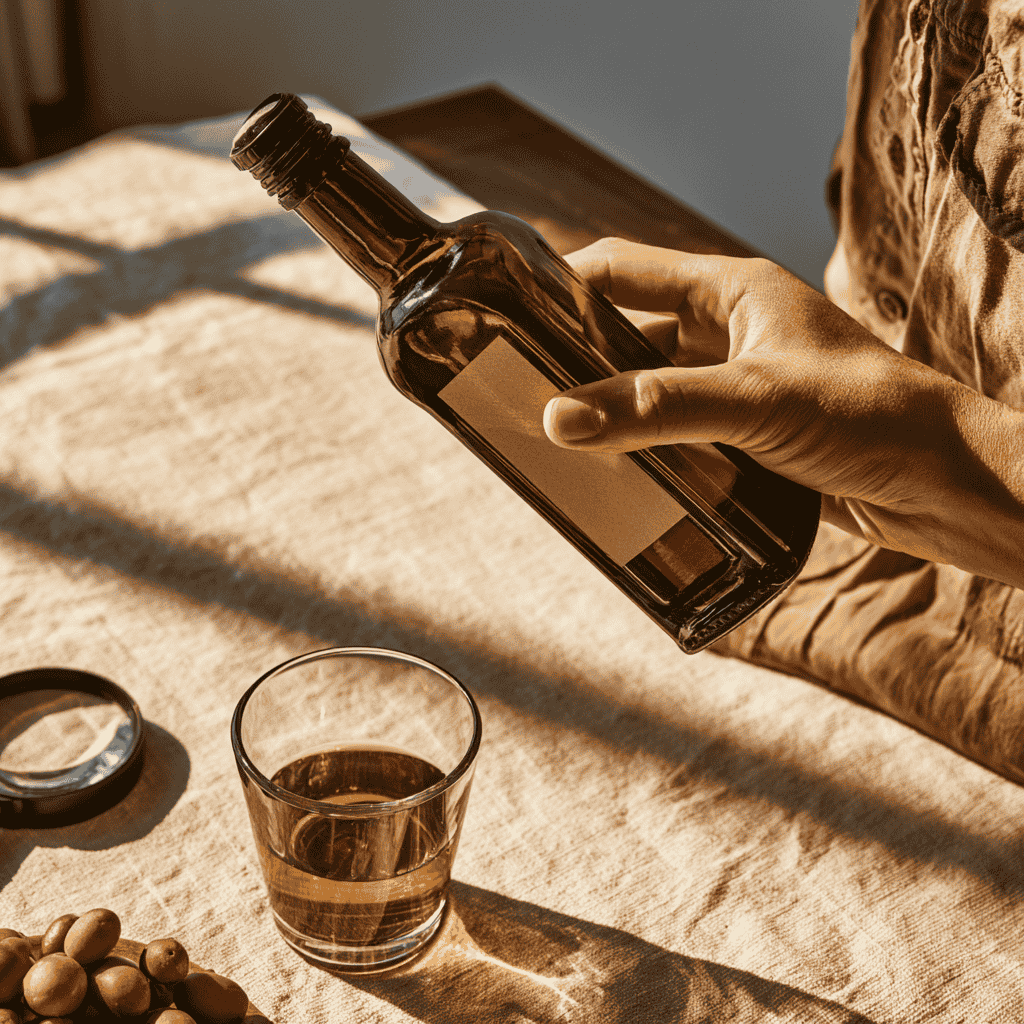
Olive oil moisturises skin, strengthens the skin barrier, and reduces inflammation — making it effective for dry, sensitive, or ageing skin.
Its antioxidant compounds slow visible skin ageing and protect against environmental damage when applied regularly.
Olive oil has been used as a skin remedy for thousands of years — and modern science backs up many of those traditional claims. Rich in oleic acid,
vitamin E, and powerful plant polyphenols, extra virgin olive oil can hydrate dry skin, calm irritation, slow visible ageing, and even remove stubborn waterproof makeup.
But it is not for every skin type, and knowing when and how to use it makes all the difference.
10 Key Skin Benefits of Olive Oil
The skin benefits of olive oil come from a specific combination of compounds — oleic acid (60–70% of its fatty acid profile), squalene, vitamins E, A, D, and K, and a rich range of polyphenols including hydroxytyrosol and oleocanthal.
Each of these plays a distinct role in skin health.
1. Powerful Antioxidant Protection
Olive oil contains polyphenols, vitamin E, and squalene that neutralise free radicals before they cause cellular damage. Oleocanthal alone inhibits inflammation in a way comparable to an equivalent dose of ibuprofen. These antioxidants fight oxidative stress caused by UV exposure,
pollution, and everyday environmental damage — protecting collagen and elastin so skin cells stay more flexible and fine lines, wrinkles, and premature ageing appear reduced.
2. Four Skin Vitamins in One Oil
Olive oil contains four fat-soluble vitamins — E, A, D, and K — each playing a distinct role in skin repair and moisture retention. Vitamin E protects skin tissue from oxidative damage and speeds up cellular renewal when applied directly.
Vitamin A's precursor retinol accelerates cell turnover, while vitamin K helps reduce inflammation associated with conditions like psoriasis and eczema.
3. Deep and Lasting Moisturisation
Extra virgin olive oil is a clinically recognised moisturiser that works by strengthening the skin barrier and reducing trans-epidermal water loss (TEWL). Research has shown EVOO and petrolatum both reduce skin water loss, though petrolatum performs marginally better.
Squalene and vitamin E in EVOO support moisture retention and cellular renewal. It is particularly effective on dry skin, chapped lips, rough elbows, knees, and cracked heels — especially in winter.

4. Antibacterial Properties
Olive oil contains real antibacterial activity, primarily from oleuropein and hydroxytyrosol, which directly disrupt the membranes of harmful bacteria. Applied to minor wounds, scrapes, or irritations, it can help keep the area free of bacterial growth.
For people dealing with diabetic foot ulcers, psoriasis, or eczema, this antibacterial effect may help reduce the risk of secondary infections.
5. Anti-Inflammatory Effects and Wound Healing
Olive oil's triterpenes and hydroxytyrosol reduce inflammation at the cellular level — bringing relief to sensitive, acne-affected, and irritated skin. Beyond calming redness,
it also supports wound healing by forming a protective lipid layer that acts like a second skin and accelerates cellular renewal.
Collagen production is supported in the process. It is also useful post-waxing or laser hair removal, and on areas prone to ingrown hairs.
6. Anti-Ageing and Wrinkle Support
The polyphenols and antioxidants in olive oil directly counter environmental damage. Hydroxytyrosol is one of the most potent plant-derived antioxidants available, with an ORAC value exceeding 68,000 µmol TE/100g.
By supporting collagen production, olive oil helps skin stay elastic and visible fine lines and wrinkles appear reduced — especially when applied at night, when healthy fats absorb more easily.
Applying a small amount around the eyes at night can help improve the appearance of skin tone over time.
7. Effective Makeup Remover
Thanks to its lipid structure, olive oil breaks down waterproof mascara, long-wear foundation, and other water-resistant makeup. Place a few drops on a cotton pad, hold against the eyelids for 20 seconds, then wipe clean.
This oil-based cleansing lifts makeup without harsh rubbing on delicate skin. Follow with a face wash for a proper double cleanse, then apply a hydrating cream.
8. DIY Exfoliating Scrub
Mixing olive oil with sea salt or sugar creates an effective DIY scrub that removes dead skin cells. Fine salt granules work best for facial skin, while coarser grains suit rough areas like knees, heels, and elbows.
The oil moisturises while the abrasive particles exfoliate — leaving skin smooth without stripping it.
9. Nourishing Face Mask
An olive oil-based face mask softens and hydrates dry skin. Combined with honey, it gains natural humectant properties that draw water into the skin. Adding egg white gives a temporary tightening effect.
Blending in ground oats adds gentle exfoliation to the mix — making it a versatile, multi-action treatment that works with simple kitchen ingredients.
10. Scar Support and Pigmentation
Olive oil supports skin healing but cannot fully erase deep scars. Its vitamin E supports cellular membrane integrity, while polyphenols and antioxidants reduce oxidative stress around scar tissue — improving the appearance of skin tone and texture over time.
Applying a few drops nightly gives the vitamins adequate time to be absorbed while you sleep.
Olive oil's topical benefits extend to hair care too — see our complete guide on olive oil for hair for scalp and strand results.
"The biggest benefit of olive oil on skin is not just softness — it is the retention of polyphenols, vitamin E, and the compounds that make extra virgin olive oil truly nourishing, not just a surface coat."
How to Use Olive Oil on Skin
How you apply olive oil matters as much as which type you choose. Below are the four most effective applications, each suited to different skin needs.
- As a daily moisturiser — Apply 2–4 drops to slightly damp skin after a shower or face wash. Damp skin absorbs oil better and traps moisture underneath. Best for dry, mature, or combination skin.
- As a makeup remover — Add a few drops to a cotton pad and press gently against eye makeup for 20 seconds, then wipe. Follow with a gentle face wash — or explore olive oil soap for skin for a natural cleansing option that keeps the skin's oil balance intact.
- As an exfoliating scrub — Mix 1 tbsp EVOO with 1 tbsp fine sea salt (for face) or coarse sea salt (for body). Massage in circular motions for 30–60 seconds, then rinse thoroughly.
- As a face mask — Combine 1 tsp EVOO with 1 tsp raw honey. Apply to cleansed face, leave for 15 minutes, then rinse with warm water. Add egg white for a tightening effect or ground oats for added exfoliation.
Always do a patch test on your inner arm before applying olive oil to your face. Leave it for 24 hours to confirm no irritation or breakout before using it in your skincare routine.
Which Type of Olive Oil Is Best for Skin?
Not all olive oil is equal when it comes to skincare. The grade you choose directly affects how many beneficial compounds actually reach your skin. Here is a clear breakdown:
| Olive Oil Type | Key Characteristic | Suitability for Skin |
|---|---|---|
| Extra Virgin (EVOO) | Cold-pressed, no heat or chemicals used | Best — highest antioxidant and polyphenol content |
| Virgin Olive Oil | Slightly lower grade than EVOO, moderate antioxidants | Acceptable — good results, less potent |
| Refined Olive Oil | Industrially processed — nutrients largely lost | Not recommended for skin use |
For skin use, organic extra virgin olive oil delivers the highest polyphenol and antioxidant content of any grade.
When buying zaitoon ka tail for skin, choose an organic, pure product from a reputable brand with clear certification. Avoid blends, added ingredients, or chemical compounds.
Store away from heat, light, and oxygen — improper storage degrades quality quickly and reduces the beneficial compounds your skin depends on.
What About Stretch Marks and Elasticity?
Extra virgin olive oil supports skin elasticity by delivering fatty acids, vitamins, and phenolic compounds that fuel fibroblast activity — the cells responsible for collagen production. Regular abdominal massage with EVOO during pregnancy may reduce the severity of stretch marks.
Oleocanthal and hydroxytyrosol help protect existing collagen fibres from breaking down, maintaining skin structure over time.
Risks, Side Effects & Who Should Avoid It
Olive oil is not suitable for everyone. Understanding the risks before starting helps you avoid breakouts and skin irritation.
- Comedogenic rating of 2 — Olive oil can clog pores and trigger acne or milia, especially on oily or acne-prone skin. Always patch test first.
- May weaken the skin barrier in some cases — A 2013 Pediatric Dermatology study found olive oil weakened the skin barrier compared to sunflower oil, increasing moisture loss and skin irritation in certain applications.
- No SPF protection — Olive oil provides zero UV protection. Using it outdoors without sunscreen increases the risk of sunburn, dark spots, hyperpigmentation, and long-term skin damage.
- Allergic reactions possible — Though rare, some individuals may react to olive oil. A patch test is always the safest first step.
Ideal for: Dry, cracked, mature, and irritation-prone skin — olive oil fills gaps in the skin barrier and locks in moisture effectively.
Avoid or limit on: Oily and acne-prone skin — the comedogenic rating of 2 can clog pores.
Sensitive skin types should always patch test on the inner arm first and wait 24 hours before applying to the face.
Frequently Asked Questions About Olive Oil for Skin
Is olive oil good for the face?
Olive oil's high vitamin E and polyphenol content can nourish and moisturise facial skin while neutralising ageing free radicals. However, moderation is important — applying too much on acne-prone or oily skin can cause breakouts.
Use just 2–3 drops on damp skin, and avoid it entirely if your skin is prone to congestion.
Can olive oil lighten dark underarms?
Olive oil may soothe darkened underarm skin through its vitamin E and polyphenol content. Antioxidants help reduce the free radicals that worsen discolouration.
Apply 3–4 drops to clean, dry skin at night and use consistently for 4–6 weeks before assessing results.
It works gradually and is not a substitute for targeted brightening actives.
Can you apply olive oil around the eyes?
The delicate skin around the eyes can benefit from olive oil's fatty acids and antioxidants. Use just one small drop warmed between your fingertips and apply gently — too much risks irritation or oil entering the eye.
It also works well as a gentle, effective remover for waterproof eye makeup.
Does olive oil clog pores?
Olive oil has a comedogenic rating of 2 out of 5 — lower than coconut oil (rated 4) but still a moderate pore-clogging risk. On oily or acne-prone skin, pores may become blocked.
For dry or combination skin, applying just a few drops to damp skin minimises the risk. Always patch test before adding it to your regular routine.
Does olive oil reduce scars and dark spots?
Olive oil does not block melanin production the way niacinamide or kojic acid do, so it will not visibly lighten pigmentation on its own. However, vitamin E (approximately 14 mg per 100g) may help reduce the appearance of post-inflammatory hyperpigmentation.
Applied nightly to clean, damp skin, it softens scar texture and improves surface smoothness over time.