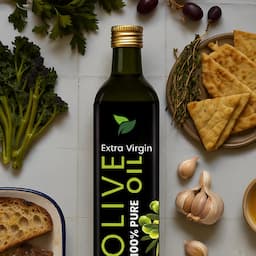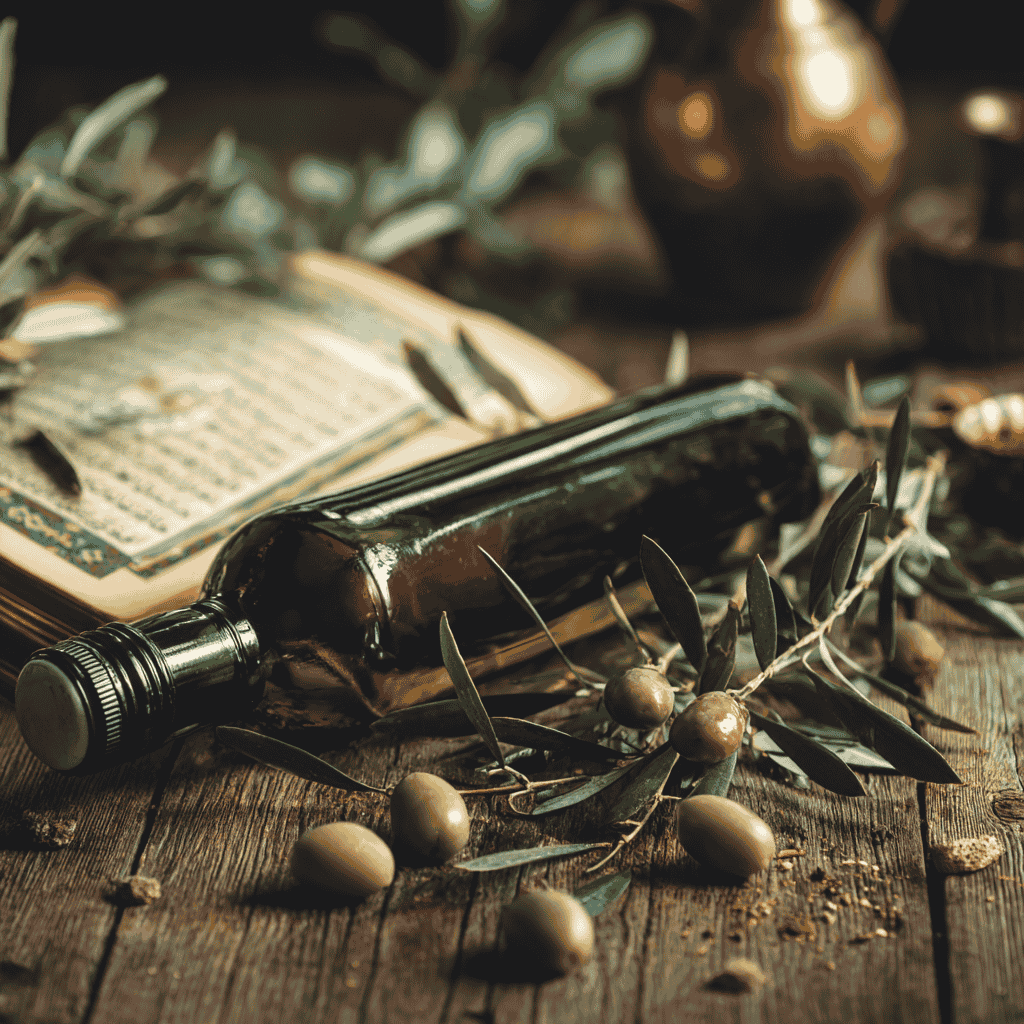
The significance of olive oil in Islam is deeply rooted in Quranic references and Hadith, highlighting its spiritual and physical benefits. It is emphasized as a blessed food, with recommendations from the Prophet Muhammad ﷺ to consume and apply it for health and wellness.
Olive Oil in Islam — Quranic References, Hadith, and Prophetic Wisdom
Olive Oil Mentioned in the Quran
The Holy Quran mentions olives seven times, establishing their spiritual and physical importance across multiple chapters. Surah Al-An'am (6:99 and 6:141), Surah An-Nahl (16:11), Surah Al-Mu'minun (23:20), Surah An-Nur (24:35), Surah Abasa (80:29), and Surah At-Tin (95:1) each reference the olive as a sign of divine value and purity — making zaitoon one of the most frequently mentioned foods in the entire Quran.
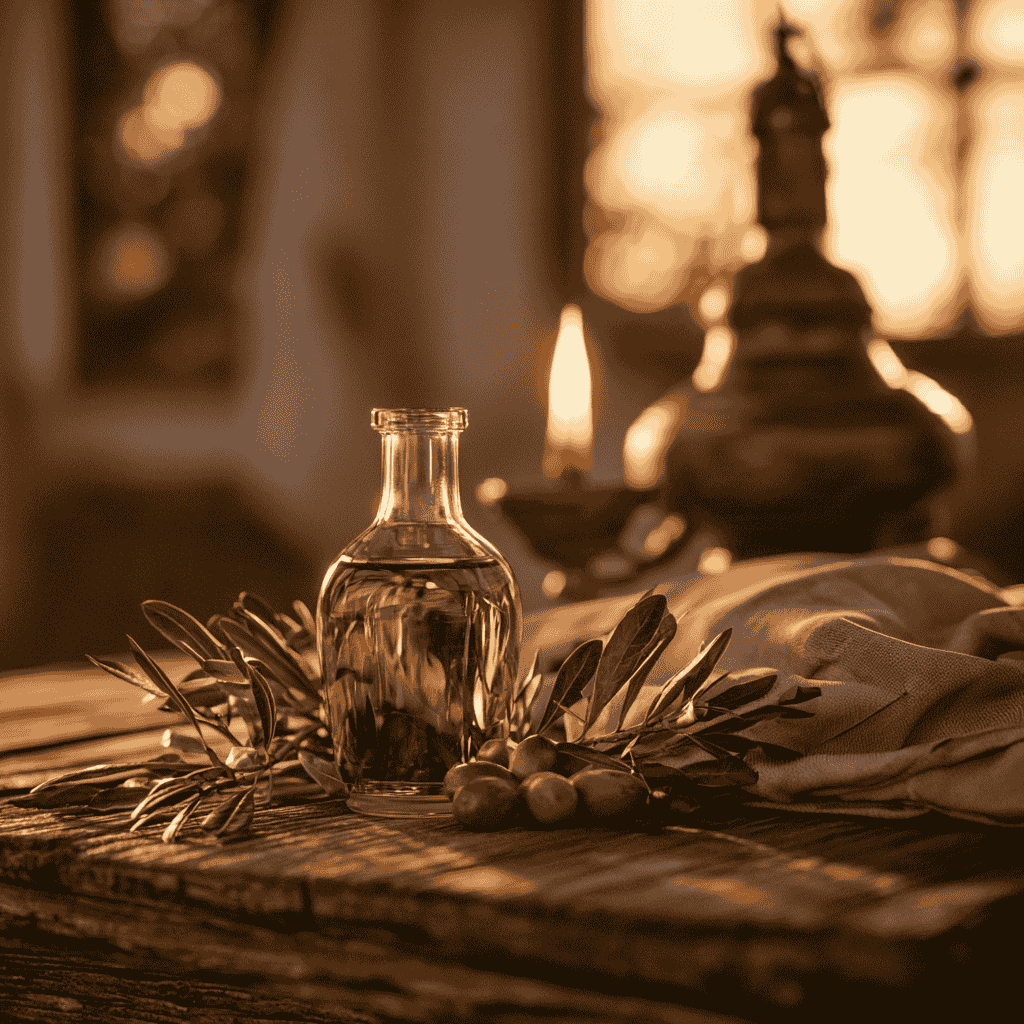
Surah An-Nur (24:35) describes a lamp set inside a glass resembling a star or pearl, kindled from a blessed tree — the olive — that burns so purely it seems ablaze before fire even touches it, symbolising divine light from the Knower of all things. Islamic scholars have long understood this verse as elevating the olive beyond ordinary nourishment, connecting it to spiritual illumination itself.
Surah An-Nahl (16:11) lists olives alongside date palms, grapes, and other crops as provisions carrying divine value, while Surah Al-Mu'minun (23:20) specifies the olive tree growing at Mount Sinai — the sacred land of prophets — producing oil used as relish, food, and for its healing properties and delicious flavour.
Hadith About Olive Oil
The Prophet Muhammad ﷺ instructed his companions to eat olive oil and anoint with it, as recorded in Sunan Tirmidhi (Hadith: 1851–1852) and Sunan Ibn Majah (Hadith: 3319–3320). The narration transmitted by Abu Usaid al-Ansari states: "Eat olive oil and anoint yourselves with it, for it comes from a blessed tree." A parallel narration is reported from Umar ibn al-Khattab (رضي الله عنه). Imam Hakim declared one version of this hadith authentic, with Hafiz Dhahabi concurring — making it suitable to act upon.
This Sunnah-inspired guidance covers both internal and external use: consumption for nourishment and application on the body as an ointment. Following this prophetic practice — known as Tibb-e-Nabawi, or Prophetic medicine — has been a part of Islamic wellness tradition for centuries, connecting daily dietary choices to the direct guidance of the Prophet ﷺ.
Why Olive Oil is Called Blessed in Islam
The Arabic word used in Quran and Hadith for the olive tree is mubarak — blessed. This is not a generic description. In Islamic theology, barakah refers to divine goodness that multiplies benefit beyond what is materially visible. Ibn Sina (Avicenna), the great Muslim physician and scholar of the 10th–11th century, described olive oil in his Canon of Medicine as one of the most complete natural remedies available, suitable for both internal and external application. Imam Dhahabi, in his work on Prophetic medicine, similarly emphasised olive oil's role in supporting digestion, skin health, and general vitality — citing the hadith as its foundational authority.
The concept of olive oil as a halal wellness food — nourishing the body while aligning with Islamic values — is deeply embedded in classical Islamic medical literature. Scholars of Tibb-e-Nabawi consistently placed olive oil among the most important Sunnah foods, alongside honey, black seed, and dates. For a deeper look at zaitoon ka tail ke fayde in urdu, classical and contemporary sources alike offer compelling reading for Pakistani Muslim households.
Ibn Qayyim and Olive Oil
Ibn Qayyim al-Jawziyyah (d. 751H / 1350 CE), the foremost scholar of prophetic medicine, dedicated a full chapter in Zad al-Ma'ad to olive oil, describing it as both food and medicine. He cited the Prophet's ﷺ instruction to eat and apply olive oil, treating it as a dual-purpose remedy rooted in divine guidance.
Building on the Quranic mention of zaitoon as a blessed tree, Ibn Qayyim wrote that olive oil strengthens the stomach, supports digestion, and expels harmful bile. He connected its benefits directly to the divine status of the olive established in scripture — not merely as a nutritional claim, but as a matter of prophetic wisdom confirmed through observation.
Ibn Qayyim also noted olive oil's broader role in supporting bodily health — a perspective that modern research on monounsaturated fats and cardiovascular function has revisited centuries later. He recommended consuming it regularly, a practice that communities across the Muslim world maintained long after his writing, from the Mediterranean coast to the subcontinent.
Sunnah Ways to Use Olive Oil
Taking one to two teaspoons of extra virgin olive oil on an empty stomach each morning follows prophetic tradition and is believed to allow the body to absorb its phenols before food interferes. Many in Muslim households across Pakistan and the Mediterranean region pair this with a slice of lemon for better digestion — a practice with roots in both Sunnah lifestyle and traditional herbal medicine.
Beyond raw intake, using olive oil as a finishing oil over soups, vegetables, and salads preserves its antioxidants better than high-heat frying. A simple dressing of olive oil, lemon juice, and vinegar makes a nutritious accompaniment without destroying heat-sensitive compounds.
For low-to-medium heat cooking, sautéing, grilling, and baking are all suitable methods. Olive oil massage — applied warm to the scalp, joints, or skin — is another Sunnah-aligned practice that Pakistani families engaged in ruqyah and Sunnah wellness traditions have preserved across generations. One to two teaspoons daily keeps consumption practical and in line with both Sunnah and mainstream dietary guidance.

Health Benefits of Olive Oil in Islam
Islamic tradition valued olive oil as both food and medicine long before modern science developed the tools to examine why. The health benefits documented in contemporary research do not replace the Prophetic guidance — they illuminate the wisdom already embedded within it. Each benefit explored below should be understood in that spirit: as modern research exploring the health wisdom behind the Prophetic recommendation.
Medical Disclaimer: The health information below is for educational purposes only. It does not constitute medical advice. Please consult a qualified healthcare professional before making changes to your diet, especially if you have a pre-existing condition such as diabetes, heart disease, or cancer.
Heart Health
Modern research exploring the health wisdom behind the Prophetic recommendation suggests olive oil may help reduce cardiovascular disease risk by replacing saturated fats with monounsaturated fats — associated with lower LDL (bad cholesterol) and improved HDL (good cholesterol) levels. This dual action is thought to help slow plaque buildup inside arteries over time.
Research published in Molecular Nutrition & Food Research points to the antioxidants in extra virgin olive oil as contributing to heart protection, particularly when consumed consistently. The Prophet ﷺ instructed the believers to eat from this blessed oil — and cardiologists today recommend the same monounsaturated fatty acids as part of a heart-healthy diet. That alignment between ancient guidance and present-day medicine is one of the most compelling aspects of the Islamic wellness tradition.
Digestion
Ibn Qayyim documented olive oil's digestive benefits in Zad al-Ma'ad, and modern nutritional science has since confirmed the mechanisms behind his observations. Olive oil's phenolic compounds may help reduce mucosal inflammation in the stomach lining, and some studies indicate these compounds may inhibit Helicobacter pylori — the bacterium responsible for most peptic ulcers — though this research is still active.
The Sunnah-based practice of taking olive oil on an empty stomach is also traditionally used to support regular bowel movement and a balanced intestinal environment. Those with sensitive digestion generally find extra virgin olive oil better tolerated than refined cooking fats — a practical reason why Pakistani households switching from refined vegetable oils to zaitoon ka tail often notice a difference in daily comfort.
Brain Health
The Prophetic recommendation to consume olive oil aligns with what modern neuroscience is exploring — that this oil may help sustain mental clarity through its ability to reduce oxidative stress on neurons. Oleic acid, which makes up roughly 73% of olive oil's fat composition, plays a role in supporting the nervous system, while oleocanthal may help protect brain cells from inflammation-driven damage.
Research published in Annals of Clinical and Translational Neurology found that participants consuming extra virgin olive oil showed measurably lower Alzheimer's-related markers compared to those on standard Western diets. That the Prophet ﷺ guided his ummah toward a food now being studied for cognitive protection is a reflection of divine wisdom that Muslim scholars have always affirmed.
Skin and Hair
The Prophet ﷺ instructed believers to anoint themselves with olive oil — and this guidance extends naturally to skin and hair care. Zaitoon ka tail for skin penetrates the outer skin layer, delivering deep moisturisation. Applying it after showering, while pores are open, locks in moisture and keeps skin soft and nourished. Its Vitamin E content — roughly 14mg per 100ml — supports antioxidant activity that protects skin cells from environmental damage.
For hair, a warm olive oil massage directly into the scalp is a traditional Islamic wellness practice believed to strengthen hair roots and improve circulation to follicles. Pakistani families have used zaitoon ka tail for hair as a natural hair treatment for generations — a Sunnah-rooted habit that doubles as an effective alternative to synthetic conditioning treatments.
How Pakistani Muslims Use Olive Oil
In Pakistani Muslim households, olive oil — zaitoon ka tail — occupies a growing place in both the kitchen and the medicine cabinet. As awareness of Tibb-e-Nabawi grows among Pakistani families, more households are incorporating extra virgin olive oil into their daily routines: taking it on an empty stomach at sehri, using it as a finishing drizzle over daal and sabzi, and applying it warm to children's hair and scalp before washing.
Pakistani Muslims engaged in Sunnah wellness culture also use olive oil in ruqyah-related practices, applying it to the body alongside recitation of Quranic verses — a tradition rooted in the prophetic instruction to anoint with olive oil. The growing availability of quality extra virgin olive oil in Pakistani markets, including cold-pressed and certified halal options, has made this Sunnah increasingly accessible to households across urban and rural Pakistan.
In desi cooking contexts, olive oil works well as a substitute for refined vegetable oil in lower-heat preparations — sautéed vegetables, egg dishes, and light curries — while its use as a salad dressing or bread dip mirrors the Mediterranean tradition that Islamic history has always shared roots with. Those curious about zaitoon ka tail ke fayde will find a wealth of guidance rooted in both classical Islamic scholarship and modern nutritional research.
Extra Virgin Olive Oil Quality
Organic extra virgin olive oil comes from the first pressing of olives and remains the least processed form available. This cold-extraction process preserves higher levels of phenols, antioxidants, and Vitamin E than any refined grade — acidity stays below 0.8%, a key industry benchmark.
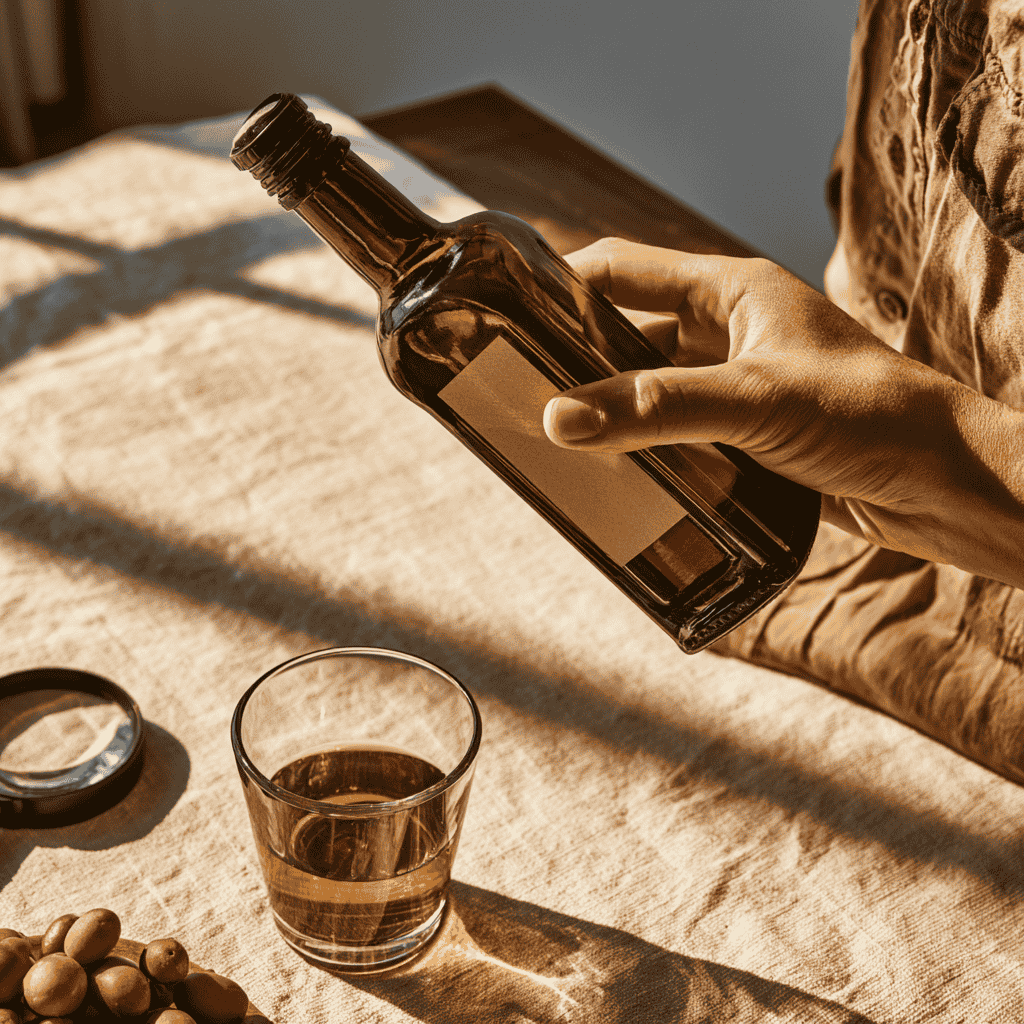
Because it is less processed, extra virgin olive oil retains its full concentration of monounsaturated fats and antioxidants. These same phenols and monounsaturated fats work together to deliver the benefits that Tibb-e-Nabawi literature described and that modern research continues to confirm. If you are selecting an oil for daily Sunnah-based use, check the acidity level and harvest date on the label — these confirm genuine quality and ensure you are consuming the oil closest to its natural, blessed state.
Additional Health Benefits Rooted in Prophetic Wisdom
Anti-Inflammatory Properties
Modern research exploring the health wisdom behind the Prophetic recommendation has identified oleocanthal — a phenolic compound in extra virgin olive oil — as acting similarly to ibuprofen at a molecular level, inhibiting the same enzymes targeted by NSAIDs. This suggests measurable anti-inflammatory effects with regular daily consumption, echoing what Ibn Qayyim and Imam Dhahabi documented in classical Islamic medical texts.
This mechanism may benefit people dealing with joint discomfort, muscle stiffness, and arthritis. Applying warm olive oil to affected joints is a Sunnah-aligned practice believed to support circulation and reduce localised discomfort — a remedy Pakistani households have used for generations before the mechanism was ever understood scientifically.
Blood Sugar Management
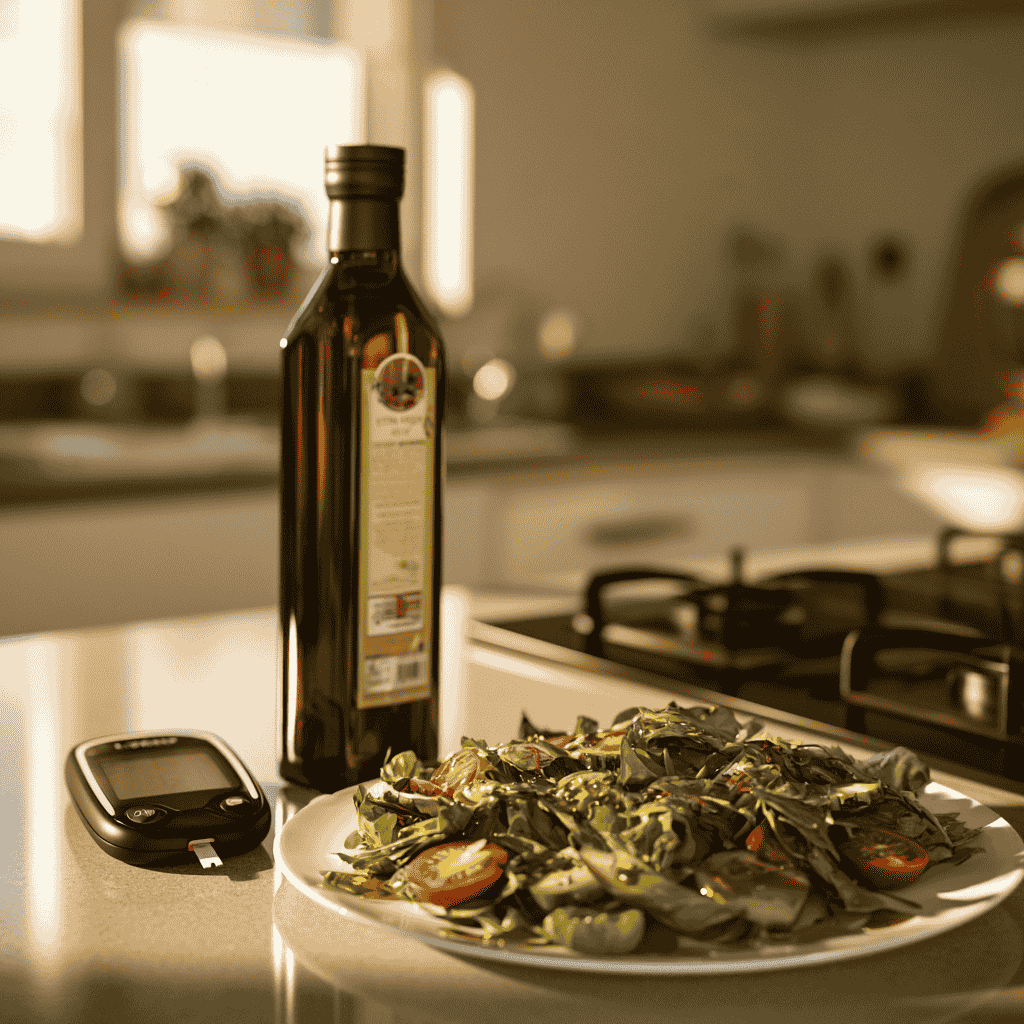
Modern research exploring the health wisdom behind the Prophetic recommendation suggests olive oil may help stabilise blood sugar levels by slowing glucose absorption into the bloodstream. Its healthy fats are associated with reduced insulin resistance — a key driver of type 2 diabetes — making it a recognised dietary consideration for managing glucose response after meals.
For Pakistani Muslims managing diabetes or metabolic health, replacing refined cooking oils with extra virgin olive oil is a Sunnah-consistent dietary shift that nutritional research also supports. Individual results vary, and dietary changes should be discussed with a healthcare professional.
Immune System Support
Olive oil's polyphenols may help strengthen the immune system by reducing oxidative stress at the cellular level. The Sunnah endorsed olive oil as both food and medicine — a dual role that modern nutritional research continues to investigate. The Vitamin E in olive oil supports immune function including white blood cell activity, while oleocanthal's anti-inflammatory properties address chronic immune dysfunction at its root.
Bone Health
A study involving 523 women found that those with higher olive oil intake showed higher levels of osteocalcin — a protein marker of active bone formation. Researchers distinguished olive oil from other dietary fats by linking its polyphenols specifically to reduced bone loss. Those familiar with the Quranic references to zaitoon and the Prophetic guidance will recognise that Islamic tradition valued this oil centuries before modern research began examining its biological role in skeletal health.
Weight Management
Olive oil may support weight management by promoting satiety after meals. Its healthy fats slow gastric emptying, which may help reduce overall calorie intake — a benefit that aligns with the Islamic principle of moderation in eating. Imam Dhahabi and Ibn Qayyim both emphasised balance in consumption, and olive oil's natural ability to reduce energy spikes and crashes supports that principle practically. A 2018 Mediterranean diet trial noted lower waist circumference measurements in regular olive oil consumers compared to control groups.
Conclusion
Olive oil holds a unique place in Islam where faith, science, and healing converge into one simple, powerful daily choice. The Quran mentions zaitoon seven times. Allah swears by it in Surah At-Tin. The Prophet ﷺ described it as a blessed gift from a blessed tree — a detail recorded in authentic hadith (Sunan Tirmidhi 1851–1852, graded authentic by Imam Hakim and confirmed by Hafiz Dhahabi) that Pakistani families can ground their practice in with full confidence.
Classical scholars — Ibn Qayyim, Ibn Sina, Imam Dhahabi, and Imam Nawawi — each affirmed olive oil's place in Islamic wellness. Modern research has since confirmed the mechanisms behind what prophetic guidance established fourteen centuries ago. Reviving a Sunnah-based lifestyle means these scientific findings complement, rather than replace, divine guidance.
For any Pakistani Muslim exploring natural health solutions through the lens of Islam, zaitoon ka tail benefits in urdu resources and Tibb-e-Nabawi literature together make a compelling case. Zaitoon ka tail is among the most accessible, evidence-backed, and spiritually grounded choices available — a food, a medicine, a Sunnah, and a symbol of barakah all in one.