Taking a tablespoon of extra virgin olive oil on an empty stomach each morning can aid digestion, support heart health, and may help manage weight effectively.
Taking a tablespoon of extra virgin olive oil on an empty stomach each morning is one of the simplest habits you can build around your health. In Pakistan, where breakfast often means chai, paratha, or nothing at all before rushing out the door, adding one spoonful of quality olive oil before your first meal costs almost nothing and takes about ten seconds.
This guide covers what actually happens when you do it, the benefits worth knowing, the risks worth understanding, how much to take, and when timing genuinely matters.
What Happens When You Take Olive Oil on an Empty Stomach?
When your stomach is empty, olive oil's compounds — particularly its polyphenols and monounsaturated fats — absorb directly into your gut lining without competition from other foods. This increases the bioavailability of its active compounds compared to drizzling oil over a meal.
Your liver responds immediately. Olive oil triggers bile production before other foods arrive, which primes fat digestion for the rest of the day. This is why people who take it before breakfast often notice smoother digestion throughout the morning.
The key compound responsible for many of olive oil's effects is oleocanthal — a natural anti-inflammatory found in extra virgin olive oil. Researchers believe it behaves similarly to a mild anti-inflammatory medication, which helps explain why Mediterranean populations have used olive oil as a morning remedy for generations.
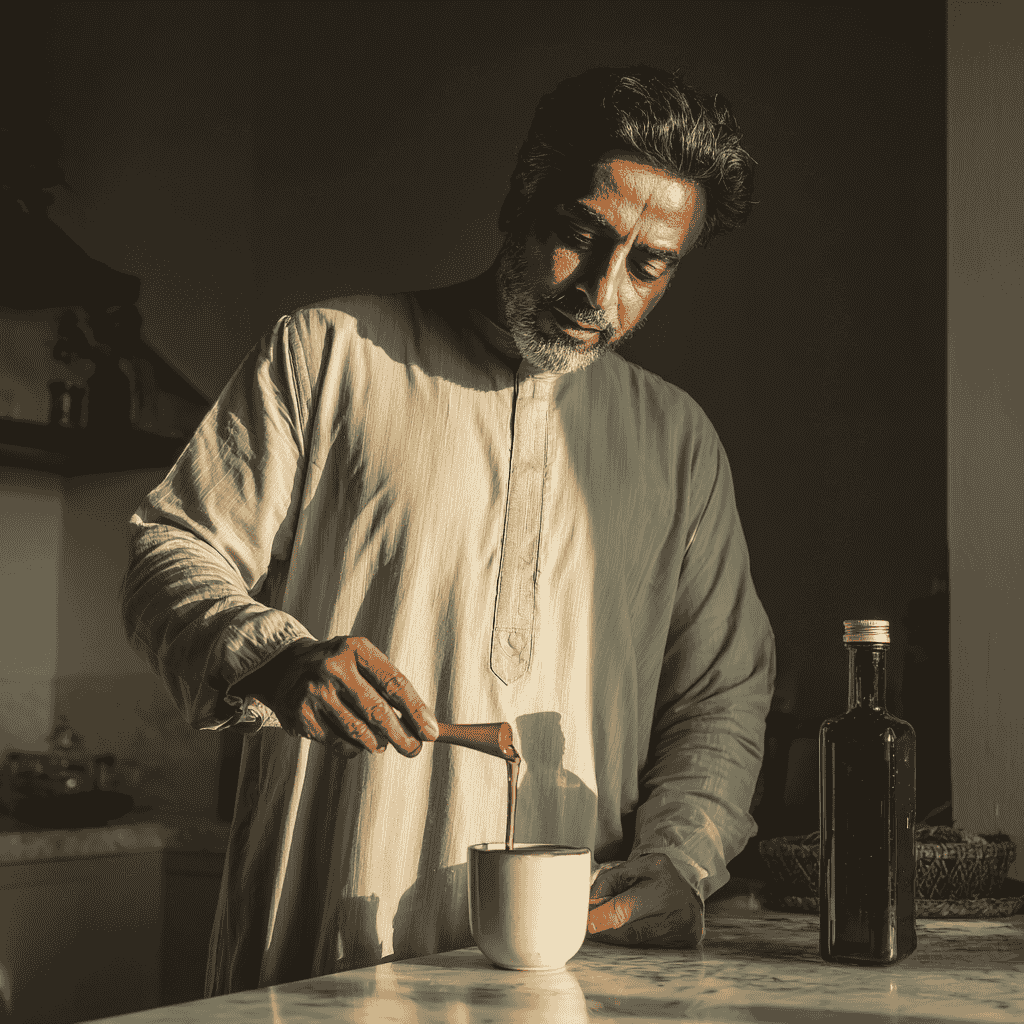
In practical terms: one tablespoon before sehri or before your morning chai gives your body a head start on absorption that a lunchtime drizzle simply cannot replicate.
Benefits of Olive Oil on Empty Stomach
Digestion and Constipation Relief
Olive oil taken on an empty stomach produces a mild laxative effect by stimulating bile production, which lubricates the colon and softens stool. This is one of its most consistently reported practical benefits.
A four-week study involving over 400 adults found that daily olive oil intake performed comparably to mineral oil for relieving constipation, with the majority of participants reporting improved bowel movements. Consistent daily use mattered more than occasional doses.
For Pakistanis dealing with digestive sluggishness — often worsened by heavy desi meals, low water intake, or irregular eating schedules — one teaspoon to one tablespoon before breakfast is a straightforward, food-based option worth trying.
Beyond constipation, olive oil's polyphenols act as prebiotics, feeding beneficial gut bacteria like Lactobacillus and Bifidobacterium. This supports microbiome diversity and helps reduce intestinal inflammation, which is particularly relevant for anyone managing irritable bowel symptoms.

Weight Management
Taking olive oil before breakfast may reduce how much you eat throughout the morning. The monounsaturated fat content slows gastric emptying, which means you feel fuller for longer and are less likely to reach for snacks between meals.
One tablespoon contains roughly 120 calories, so portion control matters. Research suggests that replacing lower-quality cooking fats — like the refined vegetable oils commonly used in Pakistani households — with olive oil supports better weight outcomes over time. The benefit comes from fat quality, not fat elimination.
The key is substitution, not addition. If you are already consuming plenty of ghee, vanaspati, or refined cooking oil, swapping some of that for olive oil is more useful than simply adding olive oil on top.
Heart Health
Regular olive oil consumption is consistently linked to improved cardiovascular outcomes. A 2022 meta-analysis found that high olive oil intake was associated with meaningfully reduced risk of cardiovascular disease and heart attack, with protection coming largely from oleic acid — the primary monounsaturated fat in olive oil.
Oleic acid raises HDL cholesterol while reducing oxidized LDL, directly improving your blood lipid profile and lowering inflammation in arterial walls. These effects are cumulative, meaning daily intake over weeks and months produces the most measurable results.
For Pakistan, where heart disease is a leading cause of death and refined oil consumption is high, this is one of the most relevant reasons to consider olive oil as a regular dietary swap.
Blood Sugar Support
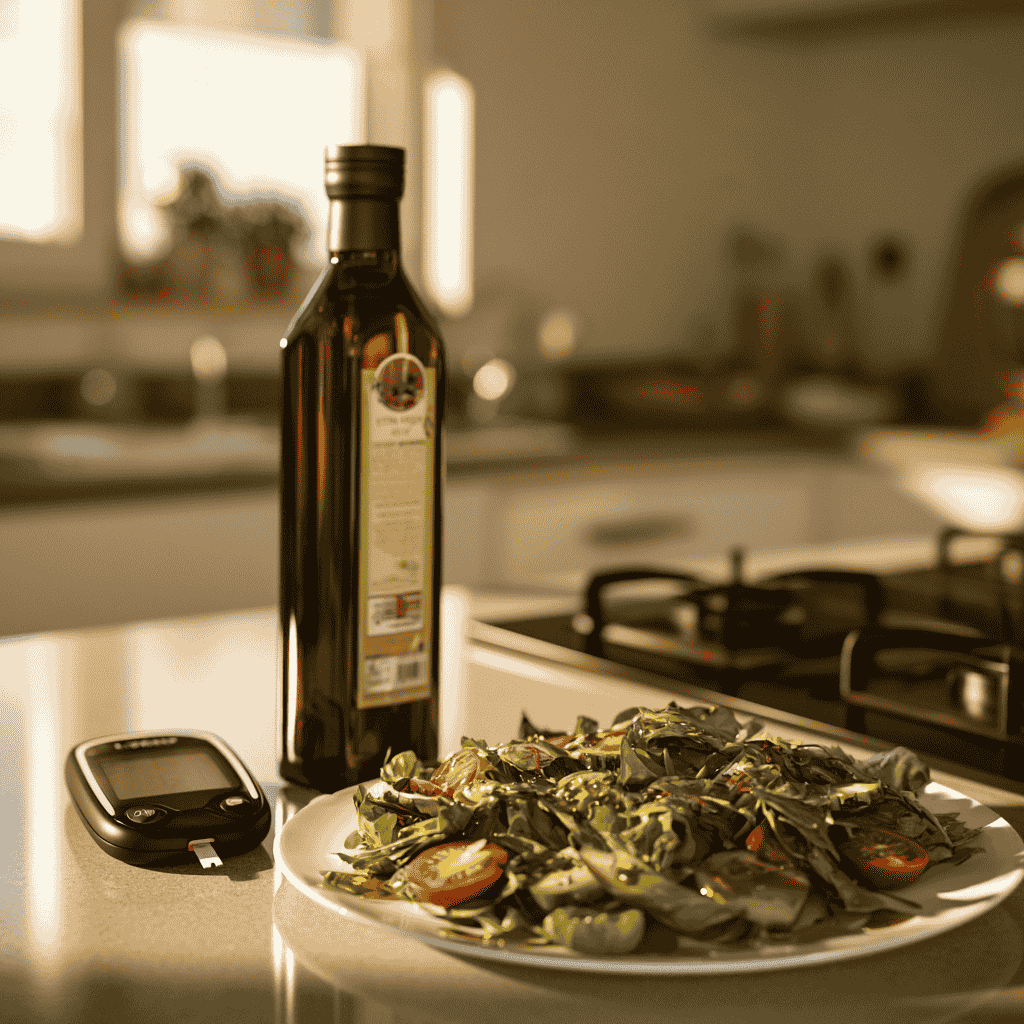
A 2023 study found that olive oil enriched with oleanolic acid reduced fasting blood glucose significantly in participants with prediabetes. Earlier research also linked regular extra virgin olive oil intake to improved blood sugar control in people with type 2 diabetes.
Taking olive oil before your first meal — whether that is breakfast or sehri during Ramadan — may help moderate the glucose spike that follows carbohydrate-heavy foods. Oleic acid slows glucose absorption, which supports steadier blood sugar through the morning.
This does not replace medication or medical advice, but it is a practical dietary support measure worth discussing with your doctor if you are managing blood sugar.
Skin and Hair
Olive oil's vitamin E content helps maintain your skin barrier and slow oxidative damage to skin cells. Internally, its anti-inflammatory compounds reduce systemic inflammation that often shows up in skin conditions. Externally, it is widely used in Pakistan as a hair oil and scalp treatment — a use that has genuine backing in its fatty acid and antioxidant profile.
One tablespoon daily delivers roughly 1.9mg of vitamin E, contributing to skin health from the inside. For hair, applying warmed olive oil to the scalp before washing is a common household practice that conditions without harsh chemicals.
Morning vs Night — Which Is Better?
The honest answer is: it depends on your goal.
Morning on an empty stomach is better for:
- Digestive support and constipation relief
- Weight management and appetite control
- Maximum polyphenol absorption before food interferes
- Priming bile production for the day ahead
This is the most studied and most commonly recommended timing. If you are taking olive oil for general health or digestion, before breakfast — or before sehri — is where to start.
Evening before bed is better for:
- Blood sugar stability overnight
- Overnight cellular repair and anti-inflammatory activity
- Gut microbiome support during the digestive slowdown of sleep
A 2023 study linked evening olive oil consumption to improved blood sugar control, and some research suggests polyphenols absorbed during overnight fasting may reach higher plasma concentrations than morning doses.
A practical middle ground: split your daily amount between morning and night. One tablespoon before breakfast and one before bed covers both windows without doubling your total intake.
How Much Olive Oil Should You Take Daily?
For most adults, one to two tablespoons daily is a reasonable starting point for general health benefits. Mediterranean diet research uses up to four tablespoons daily, but that context assumes olive oil is replacing other fats across an entire diet — not being added on top of existing oil consumption.
In a Pakistani household context:
- 1 teaspoon to 1 tablespoon before breakfast is a practical starting dose
- 1 tablespoon is the most commonly studied amount for digestion, weight, and cardiovascular benefits
- 2 tablespoons is appropriate if you are also reducing other cooking oils in your diet
Since one tablespoon contains roughly 120 calories, portion awareness matters. Consult your doctor before committing to a specific daily dose if you have existing health conditions, are on medication, or are pregnant.
Best Extra Virgin Olive Oil to Drink
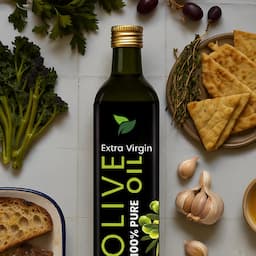
Not all olive oil is equal. For drinking on an empty stomach, you want cold-pressed extra virgin olive oil (EVOO) — not refined olive oil, not "pure" olive oil, and not blended products.
Cold-pressing without heat preserves the polyphenols that give EVOO its health benefits. Refined olive oil loses most of these compounds during processing.
What to look for on the label:
- "Extra virgin" and "cold-pressed" or "first cold press"
- A harvest or best-before date (fresher is better)
- No blended or mixed oil content
- Polyphenol content above 300 mg/kg if listed
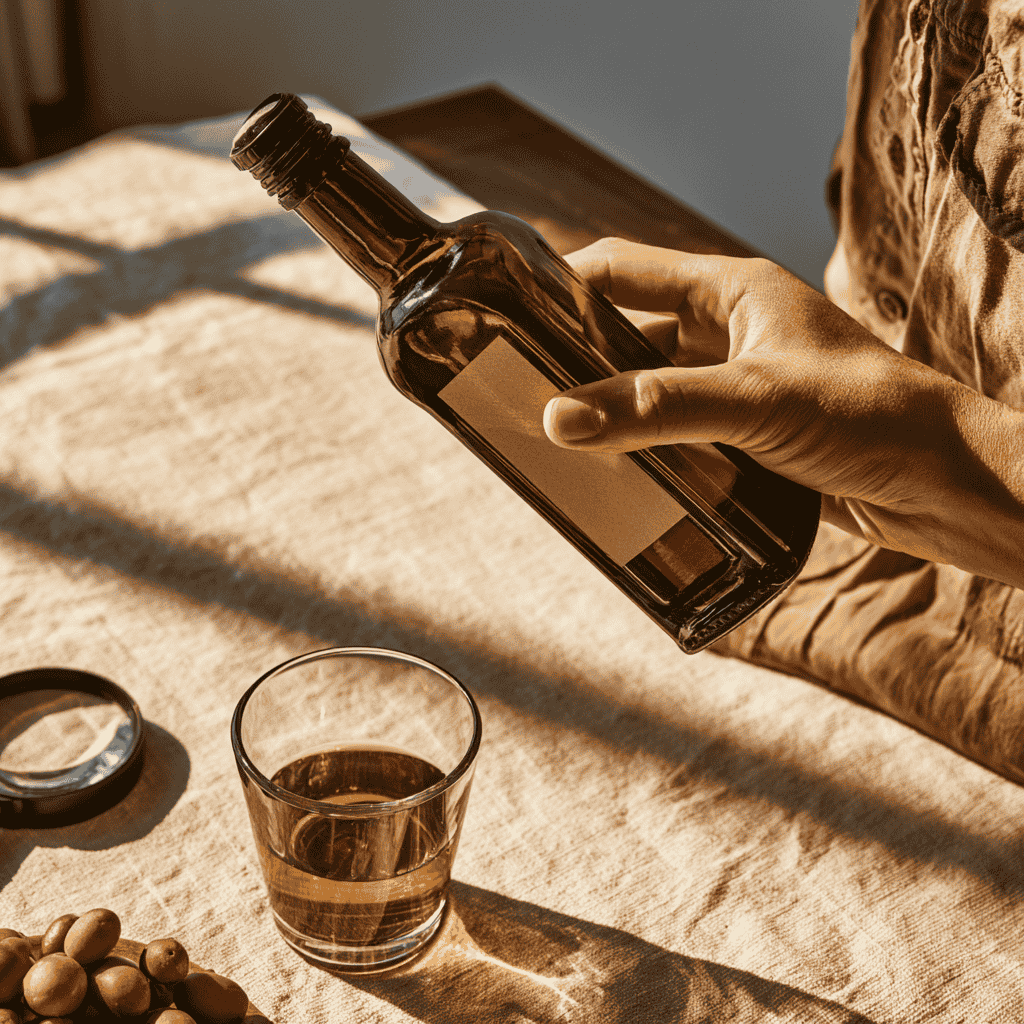
How to check quality at home: quality EVOO has a slightly bitter, peppery taste with a mild throat burn. That burn is oleocanthal. If the oil tastes flat and neutral, its polyphenol content is likely low.
Greek and Spanish EVOO varieties are widely available in Pakistan through major supermarkets and online retailers, and they consistently perform well on polyphenol concentration. You can check current olive oil price in Pakistan to find a quality bottle within your budget.
Risks and Side Effects
Calories add up. One tablespoon is 120 calories. If you are adding olive oil without reducing other fats, the extra calories can contribute to weight gain over time.
Digestive discomfort. Some people experience nausea or loose stools when starting daily olive oil intake, particularly on a completely empty stomach. Starting with a teaspoon and increasing gradually helps most people adjust.
Allergen risk. Olive pollen is a documented allergen for some people. If you notice respiratory or skin reactions after starting regular consumption, stop and consult a doctor.
Research limitations. Many health claims about olive oil come from observational studies or small trials. The evidence is strong for cardiovascular and digestive benefits, but more modest for some of the broader claims circulating online. Olive oil supports a healthy diet — it does not replace one.
Medication interactions. If you are on blood pressure medication, blood thinners, or diabetes medication, speak to your doctor before making olive oil a daily supplement, as it can influence blood pressure and blood glucose.
Frequently Asked Questions
What does a tablespoon of olive oil a day do?
One daily tablespoon delivers roughly 14 grams of monounsaturated fat, primarily oleic acid, along with antioxidants that support heart health, reduce inflammation, and improve digestion. Taking it raw on an empty stomach maximizes polyphenol absorption before other foods interfere.
Is olive oil good for the gut?
Yes. Olive oil stimulates bile production, feeds beneficial gut bacteria through its polyphenols, and lubricates the intestinal walls. One tablespoon before breakfast is the most studied dose for digestive benefits. Combining it with a small amount of warm water can ease intake and support mucosal coating along the stomach lining.
Should I take olive oil in the morning or at night?
Morning works better for digestion and appetite control. Evening works better for blood sugar stability and overnight anti-inflammatory support. If you can only pick one, morning on an empty stomach is the more studied and more broadly beneficial choice.
Why take olive oil before bed?
Nighttime intake gives your body a low-activity window to absorb olive oil's compounds without competition from food. It supports overnight cellular repair, reduces inflammatory activity during sleep, and may help stabilize blood glucose through the night. One tablespoon is sufficient.
How much olive oil should I take daily?
One to two tablespoons daily covers most health goals. If you are replacing other cooking oils, you can work up to three to four tablespoons spread across the day. Start with one teaspoon if your stomach is sensitive and increase gradually.
Is a daily spoonful of olive oil actually good for you?
Yes, when it is quality extra virgin olive oil taken consistently. The evidence for cardiovascular, digestive, and anti-inflammatory benefits is well-established. The key is using it as a replacement for lower-quality fats — not simply as an addition to an already high-fat diet.
Can I take olive oil during Ramadan?
Yes. Taking one tablespoon of EVOO at sehri on an empty stomach before your fast begins is a practical way to support digestion, maintain satiety during the fasting hours, and get the full absorption benefit of its polyphenols. Many people find it helps reduce hunger through the morning hours of the fast.
Conclusion
Taking olive oil on an empty stomach is a small, practical habit with a solid body of evidence behind it. The benefits most consistently supported by research — better digestion, constipation relief, cardiovascular protection, and blood sugar support — are all relevant to everyday health concerns in Pakistan.
Start with one tablespoon of cold-pressed extra virgin olive oil before your morning meal or sehri. Choose a bottle labelled "extra virgin" and "cold-pressed," check for a peppery finish when you taste it, and give it at least four weeks before judging results.
It is not a cure, and it works best as part of a balanced diet — ideally one that reduces reliance on refined cooking oils common in Pakistani households. But as daily habits go, this one is inexpensive, accessible, and backed by more genuine research than most wellness trends you will come across. Visit Zaitoon Ka Tail to explore quality olive oil options available across Pakistan.