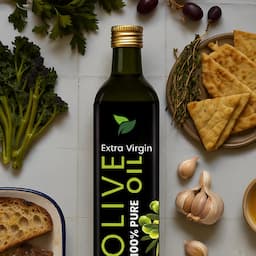
Olive oil may cause side effects such as diarrhea, acne, weight gain, low blood sugar, and interactions with medications when consumed in excess or used improperly. The recommended safe dose for most adults is 1–2 tablespoons (15–30 ml) per day.
Common Side Effects of Olive Oil
Most side effects occur when olive oil is consumed beyond the recommended 1–2 tablespoons per day, or when raw oil is applied directly to skin types prone to clogging. The risks in this guide are dose-dependent — when cold-pressed and taken in measured amounts, extra virgin olive oil good for you is well supported by evidence, benefiting heart health, blood sugar regulation, and inflammation with minimal risk.
1. Diarrhea and Digestive Upset
Olive oil has a mild laxative effect. This can support constipation at controlled doses, but large amounts may cause loose stools, bloating, and gastrointestinal discomfort.
Its fat content stimulates bile production and can accelerate colonic transit, which at higher doses may result in diarrhea.
2. Acne and Skin Breakouts
Applied directly to the face, olive oil can trigger acne, blackheads, skin rashes, contact dermatitis, and worsened dry skin in susceptible individuals.
Its high oleic acid content may disrupt the skin barrier in oily or acne-prone skin by clogging pores.
For regular facial use, formulated olive oil products such as soaps or moisturizers are usually safer than applying raw oil directly to the face.
For methods that avoid breakouts while still capturing the benefits of extra virgin olive oil on face, our skin guide covers safe application routines for different skin types.
3. Weight Gain
Olive oil is calorie-dense — tracking 1 tbsp extra virgin olive oil calories matters, as each tablespoon delivers about 120 calories entirely from fat. Free-pouring rather than measuring can add hundreds of untracked calories daily.
Even when replacing less-healthy fats, excess consumption can cause weight gain because caloric surplus still applies.
4. Bloating and Nausea
Some people experience bloating, stomach cramps, or nausea when they introduce large quantities of olive oil too quickly. Gradually increasing intake from a low baseline reduces this risk significantly.
Serious Risks of Olive Oil
Low Blood Sugar (Hypoglycemia)
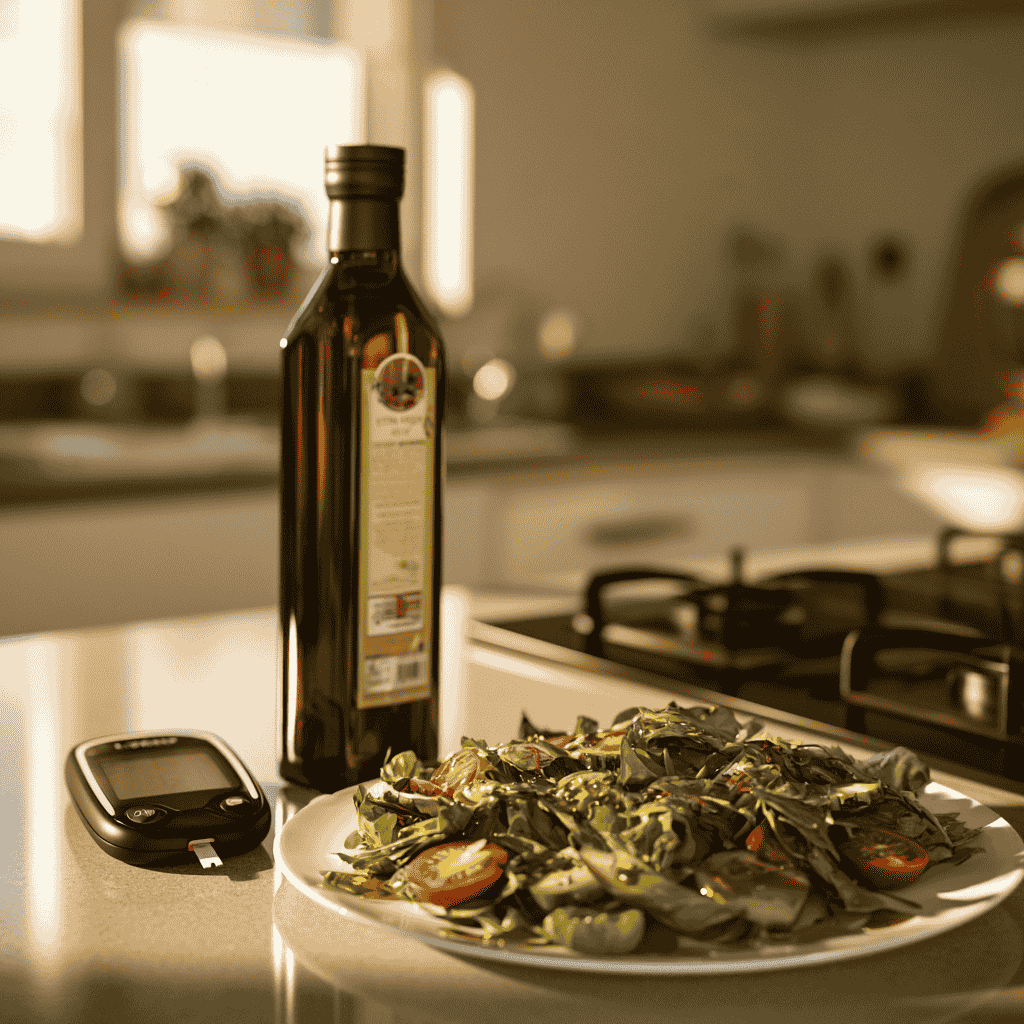
Olive oil can enhance blood sugar control, which is helpful for many people but risky for those already prone to hypoglycemia. Symptoms may include sweating, trembling, dizziness, lightheadedness, weakness, fatigue, or confusion in severe cases.
People with diabetes or hypoglycemia who consume olive oil alongside blood-sugar-lowering medications are at particular risk of dangerous dips. Regular blood sugar monitoring is essential.
Gallbladder Issues
Olive oil stimulates bile secretion from the gallbladder. While this supports digestion in healthy individuals, it may trigger gallbladder pain, contractions, or complications in people who already have gallstones or gallbladder disease.
Allergic Reactions
Olive pollen is a documented allergen. People with pollen allergies, especially to Oleaceae species, may experience allergic reactions from olive oil or olive leaf extract supplements.
Reactions can include skin inflammation, contact dermatitis, and respiratory symptoms in sensitive individuals.
Calorie Overload
Two tablespoons of olive oil add about 240 calories. On a 2,000-calorie diet, exceeding two tablespoons daily without adjusting other intake creates a caloric surplus.
This may contribute to obesity, elevated blood pressure, and long-term metabolic strain.
Olive oil is not a treatment. Its documented side effects are dose-dependent. If symptoms appear after increasing intake, reduce your dose and consult a healthcare provider.
Drug Interactions
Olive oil interacts with several medication categories. Always inform your doctor about regular dietary olive oil intake, especially if you use supplemental doses or are changing your diet significantly.
Diabetes Medications
Olive oil may independently lower blood glucose. Combined with insulin or oral hypoglycemic drugs such as metformin or glipizide, this additive effect can push blood sugar below safe levels.
Blood Pressure Medications
Oleic acid in olive oil has an independent antihypertensive effect. When combined with antihypertensive drugs such as ACE inhibitors, beta-blockers, or calcium channel blockers, higher olive oil intake may push blood pressure readings below safe thresholds.
Blood Thinners (Warfarin)
Olive oil contains vitamin K, which influences blood clotting pathways. Warfarin works by blocking vitamin K-dependent clotting factors, so patients on warfarin should maintain consistent olive oil intake and inform their prescribing physician about significant dietary changes.
Who Should Avoid or Limit Olive Oil?
- People with diabetes: Olive oil may enhance insulin sensitivity and lower blood sugar, so closer monitoring is needed when increasing intake.
- Pregnant and breastfeeding women: Normal culinary amounts are generally safe, but supplemental or concentrated doses lack adequate safety data.
- Gallbladder patients: Anyone with gallstones, cholecystitis, or a history of gallbladder disease should consult a gastroenterologist before increasing intake.
- People scheduled for surgery: Stop supplemental olive oil intake at least 2 weeks before scheduled surgery because it may affect blood sugar control during procedures.
- People with pollen allergies: Individuals allergic to Oleaceae pollen may react to olive leaf extract or topical raw olive oil.
- People with acne-prone or oily skin: Avoid direct raw olive oil application to the face. Use formulated olive oil-based skincare products instead.
Safe Dosage of Olive Oil
The following table summarizes practical daily dosage ranges by health goal. For most healthy adults, 1–2 tablespoons per day is the safest range.
| Purpose | Daily Amount | Notes |
|---|---|---|
| General health | 1–2 tbsp (15–30 ml) | Replace saturated fats; do not simply add on top |
| Heart disease prevention | 2 tbsp (30 ml) | Use as a substitute for butter or other fats |
| Diabetes management | 15–20 g (1–1.5 tbsp) | Monitor blood sugar and consult your doctor |
| High blood pressure | 30–40 g (2–3 tbsp) | Doctor supervision required if taking medication |
| Maximum safe limit | ≤40 g (~3 tbsp) | Exceeding this adds calories without extra documented benefit |
One tablespoon of olive oil contains approximately 120 calories, 14g total fat, 10g monounsaturated fat, 1.5g polyunsaturated fat, 2g saturated fat, and 0g protein, carbohydrate, or fiber.
Exceeding 40 grams per day adds significant caloric load without additional documented therapeutic benefit, increasing the risk of weight gain and elevated blood pressure.
For those comparing quality options before purchasing, our extra virgin olive oil price in pakistan guide covers current pricing across brands and sizes to help you choose within budget.
Frequently Asked Questions
Can olive oil cause diarrhea?
Yes. At doses above 30 ml per day, olive oil's fat content may stimulate bile secretion and accelerate bowel transit, resulting in loose stools or diarrhea in some people, especially when introduced quickly.
Is olive oil bad for your skin?
Not universally, but raw olive oil applied directly to the face can worsen acne, trigger blackheads, and cause contact dermatitis, particularly in people with oily or acne-prone skin.
Formulated olive oil products are safer for regular facial use.
Can you be allergic to olive oil?
Yes. Olive pollen is a documented allergen within the Oleaceae family. Reactions including skin rashes, respiratory symptoms, and contact dermatitis are most common in people with existing pollen allergies and those using olive leaf extract supplements.
Does olive oil raise blood pressure?
No, olive oil generally lowers blood pressure. However, this can become a risk when combined with antihypertensive medications, potentially pushing readings below safe levels.
Is olive oil safe during pregnancy?
Yes, in normal culinary amounts. Supplemental or concentrated doses of olive oil, especially olive leaf extract, lack safety data for pregnancy.
Stick to standard cooking amounts and consult your healthcare provider before taking supplements.
Can olive oil cause weight gain?
Yes, if consumed in excess. At 120 calories per tablespoon, olive oil is calorie-dense. Portion control helps capture cardiovascular benefits without creating a caloric surplus.
Does olive oil interact with medications?
Yes. Olive oil can enhance the effects of diabetes medications, blood pressure medications, and warfarin. Disclose regular olive oil intake to your prescribing doctor.
- This article is for informational purposes only and does not constitute medical advice. Individual results vary. Consult a qualified healthcare professional before changing your diet, especially if you take prescription medication or have a diagnosed health condition.