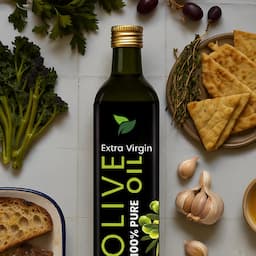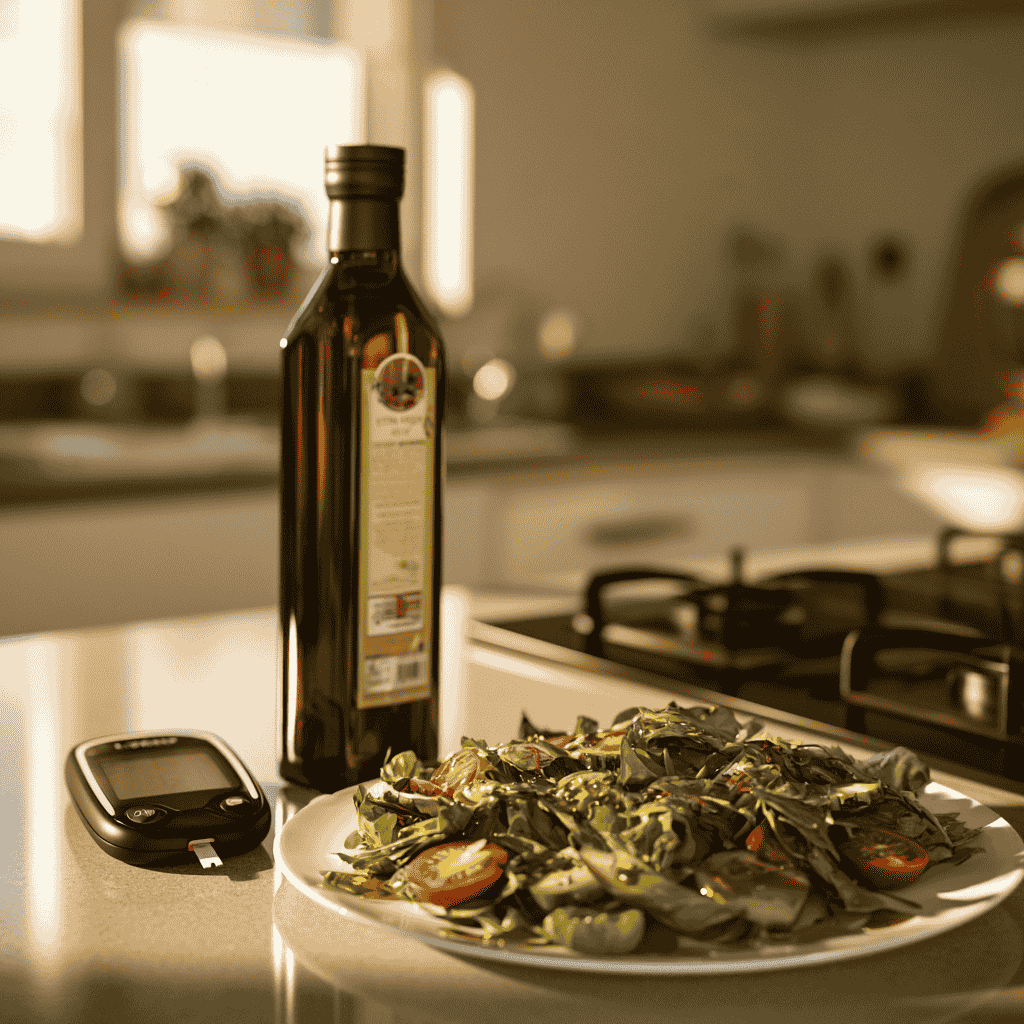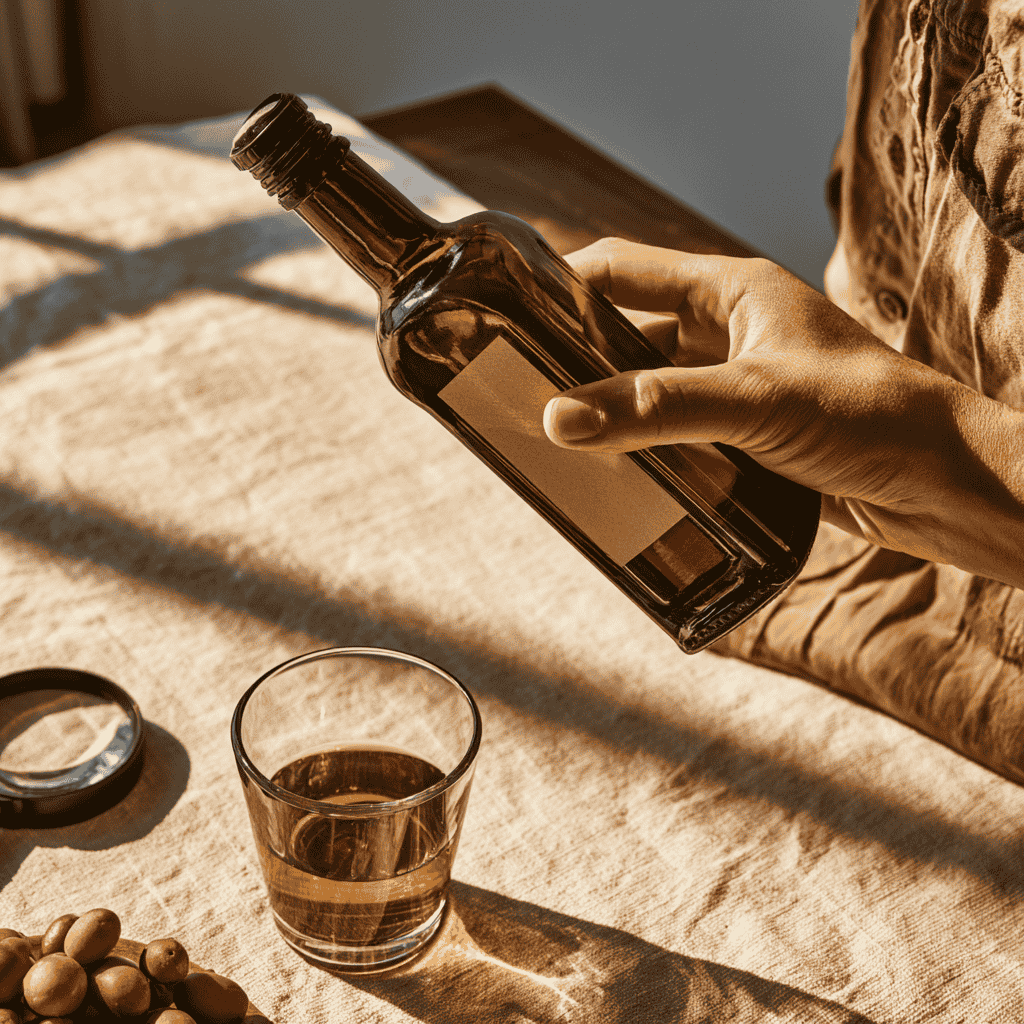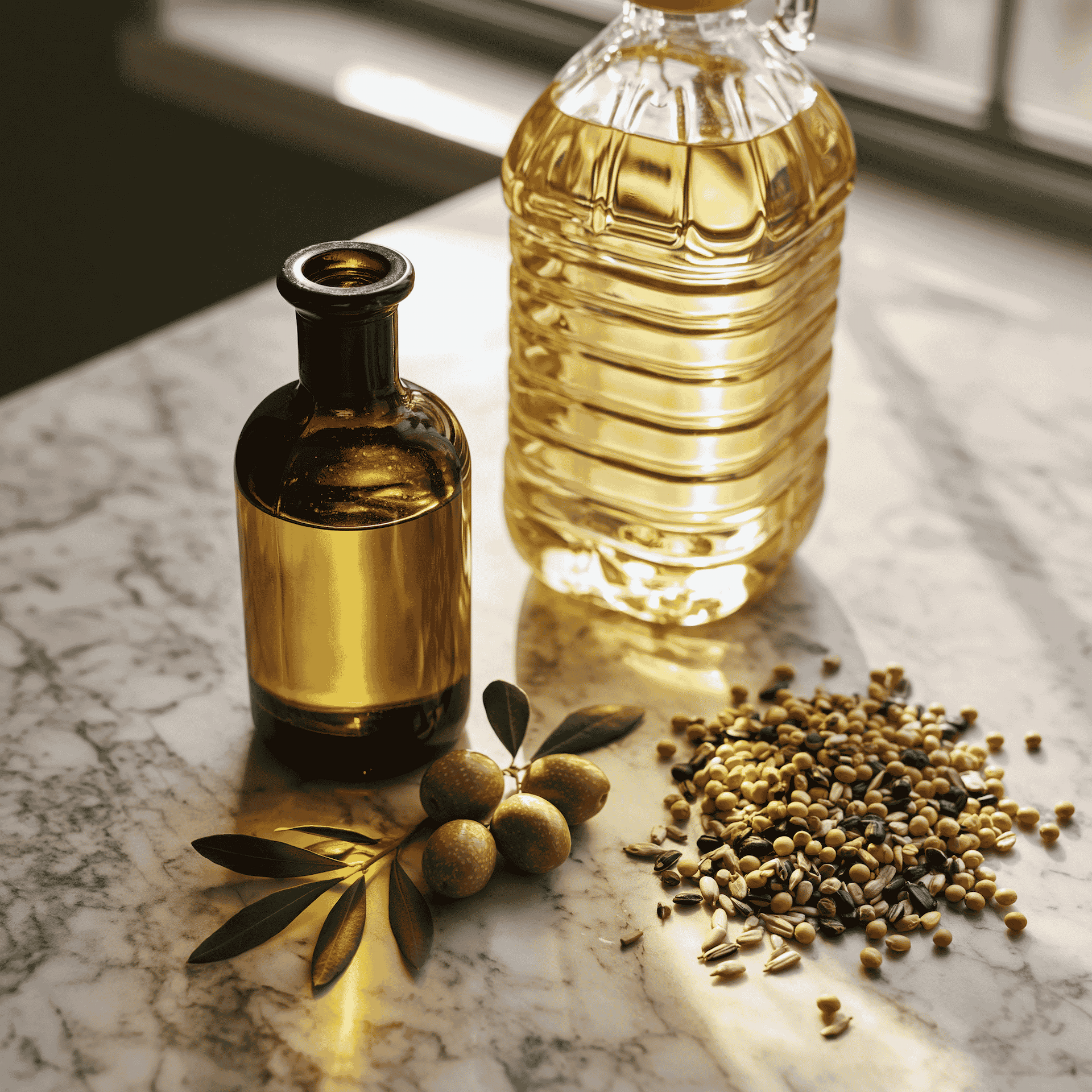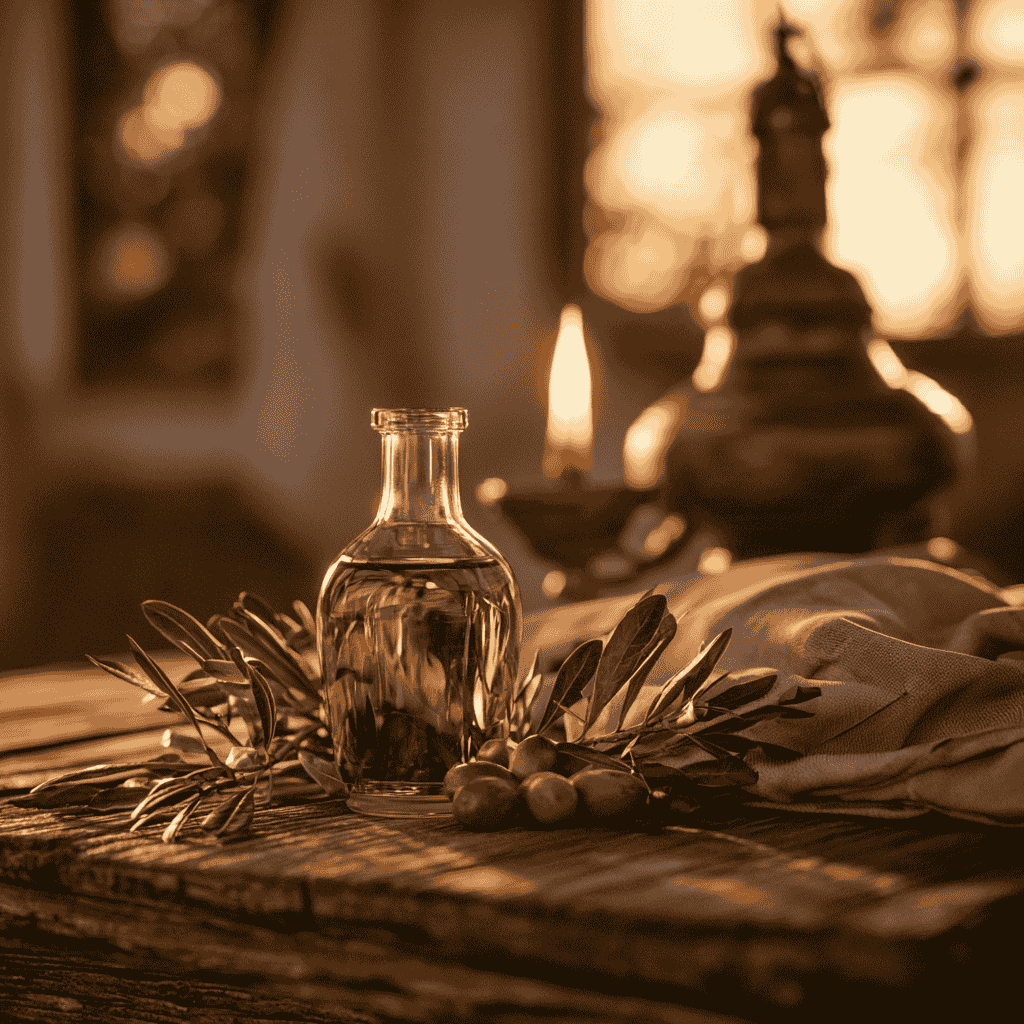
Tibb-e-Nabvi zaitoon ka tail means using olive oil the way the Prophet Muhammad ﷺ described it — both eaten and anointed on the body, because it comes from a blessed tree. Two narrations carry the whole method: season your food with it and rub it in. It is a daily habit, not a nine-day cure — and healing comes only from Allah.
Tibb-e-Nabvi zaitoon ka tail means using olive oil exactly the way the Prophet Muhammad ﷺ described it — eaten and rubbed on the body, because it comes from a blessed tree.
Two narrations carry the whole method. Tirmidhi and Ibn Majah report from Abu Hurairah: eat the oil and anoint yourselves with it. Bayhaqi records from Ibn Umar: season your food with it and anoint with it.
That is the entire prescription. Not a supplement schedule — a habit. The single most common mistake is buying a bottle for a disease, using it nine days, and quitting. That is not the Sunnah shape of it.
Why the Qur'an Talks About Olives Before It Talks About Health
Read the verses in order and something becomes obvious. Allah never opens with a cure claim. He opens with provision.
Surah Al-An'am 6:141 lists trellised and untrellised gardens, palm trees, olives, and pomegranates — then instructs the reader to eat, pay Zakat on the harvest day, and be not excessive.
That last clause matters more than people admit. The permission to eat arrives already bundled with a limit.
Surah An-Nahl 16:11 names crops, olives, and grapevines and calls them a sign for people who give thought. Surah Al-An'am 6:99 repeats it — similar yet varied, watch the ripening.
Then 24:35 raises the register completely: niche, lamp, glass like a brilliant star, oil from a tree neither of the east nor west, oil that would glow untouched by fire. Light upon Light.
Which is why Al-Aqsa olive oil is traditionally never sold — only gifted, usually to poor families in Jerusalem. A narration in Ahmad promises the reward of praying there to whoever gifts oil for its lamps.

The Two Words That Change Everything: Eat, and Anoint
Most people reading about Tibb-e-Nabvi olive oil skip straight to the ailment list. Go back one step. The Prophet ﷺ paired two verbs, and the pairing is the point.
Internal use and massage were never separated. Ibn al-Qayyim records via Shama'il from Anas ibn Malik that the Prophet ﷺ oiled his head and beard so regularly that the cloth under his cap stayed soaked like an oil miller's.
That is a daily grooming detail, not an emergency remedy. One variant tells us to use the oil in curries and as an ointment; another simply says take it and rub it in, for it is a blessed tree.
Ibn al-Jauzi narrates from Ilqamah bin Amir that it is best for piles — one of the few times a specific complaint is named. Classical compilations also attach leprosy and pleurisy to internal use.
You will also meet the claim that olive oil cures 70 diseases. I'd be careful there — that wording is popular in Urdu content but weak in chain, and the authentic narrations are stronger without it.
There's a lovely phrase in the older texts: Tiryaaq for Fuqaraa', the antidote of the poor. It removes poverty by pulling blessings into the house and keeping the body free of disease.
What the Classical Physicians Actually Wrote
This is the part almost nobody quotes properly. Imam Zahabi was distinguishing olive oil grades seven centuries before any label said extra virgin.
He called oil from unripe, green olives Zait Zaitoon Al-Infaaq — cold and dry in temperament. Oil from ripe olives he graded moderately hot and wet. More ripeness, more heat.
His clinical notes: massage strengthens organs, checks hair loss, and slows aging. Drinking it counters poisons, cleanses the stomach, eases stomach pain, and kills intestinal worms.
Then the line worth repeating: every cooking fat weakens the stomach except this one.
Ibn Sina was more granular. Anfaaq is astringent, good for gums and teeth, and curbs sweating. Aged oil heats harder and clears blockages. He also documented it as a laxative with barley water and in enemas for colic.
Ibn al-Baytar worked mostly with leaves and branches — cooling, used as a poultice against redness, eczema, boils, and ulcers. Mixed with honey it lifts scabs and cleans dirty ulcers. Al-Tabari used a decoction as an enema for rectal complaints.
Ibn al-Qayyim ranked the fats plainly — olive oil first, then butter, then ghee. If you've wondered how olive oil compares to desi ghee, that ranking is a thousand years old.
He added a geography rule people ignore. In hot regions like Hejaz the oil is essential; in cold regions less so, and excessive application to the head can trouble the eyes.
Ruqyah: Where the Oil Helps and Where It Doesn't
Let me be direct, because this is where people get hurt. Healing comes only from Allah. Recited oil is not magic and not an independent cure.
Every serious raqi says the same thing: the oil is a carrier, the recitation is the treatment. The standard preparation is simple — make wudu, sit in a quiet clean space, and set your niyyah for protection and healing.
Recite Surah Al-Fatihah, Ayat-ul-Kursi (2:255), the closing verses of Al-Baqarah, then Al-Ikhlas, Al-Falaq and An-Nas. For sihr specifically, practitioners add 2:102, 7:117–119, 10:81–82 and 20:65–69.
Then the nafth method — light blowing into the bottle near the opening. Application is unremarkable, and that's the point: chest, temples, forehead, and neck, usually before bed.
Do a patch test on the inner forearm 24 hours ahead, and avoid broken skin. Internally, take 1–2 teaspoons (5–10 ml) on an empty stomach before breakfast, or an hour or two after dinner.
Run it 6–8 weeks, then take a 1–2 week break and reassess. Now the boundaries: skip oral use in pregnancy, and if you have gallbladder trouble, acid reflux, or are on a fat-controlled diet, ask a doctor.
And unexplained fatigue, recurring dreams, or persistent fear deserve a real medical evaluation before they get labelled evil eye or envy. Self-treatment has limits.
Putting It in the Food, Not Just the Medicine Cabinet
The prophetic instruction was to season your food — a kitchen verb, not a pharmacy one. That single word reframes how you should buy it.
Traditional Muslim kitchens used it in soups like lentil shorba, in tajine, couscous and curry. Pakistani households can slot it in just as easily — as a salad dressing, drizzled over hummus, or worked into a paratha instead of ghee.
A few things worth testing. As a marinade it tenderises mutton properly. As a butter replacement on toast it's an easy swap. Added to curries with cruciferous vegetables, the fat genuinely helps digestion by improving absorption.
Ramadan is where the habit sticks fastest. Dates, bread, oil — Iftar and Suhoor, no complication. If unsure which grade survives heat, read up on cooking with olive oil first.
And don't forget the charity clause attached to the Zakat verse. Gifting oil is itself part of the practice, not an afterthought.
Hair, Scalp and Skin the Way He ﷺ Did It
The Prophet ﷺ oiled his head daily. Not weekly. That frequency is the actual technique, and it's the part modern users get wrong.
Olive oil moisturises hair and calms scalp irritation, which is why it reduces dandruff. A gentle scalp massage improves blood circulation, and better circulation means healthier hair follicles.
For length, a light coating on the strands is enough. For scalp issues, direct application left overnight works better. On skin, use a thin layer and stop there — a couple of drops is the correct dose.
Its antioxidant load is why it's linked to slower premature ageing and some buffer against sun damage. One honest caution: on eczema-prone, very dry, or sensitive skin, olive oil is not automatically safe. Patch test; if it stings, stop.
Where Modern Research Lines Up
I'm cautious with research claims in religious content, because overclaiming damages both sides. But the overlap here is real. Olive oil runs around 75% monounsaturated fat.
Its bioactive compounds include vitamin E, oleuropein, hydroxytyrosol, tyrosol and oleanolic acid. Oleocanthal is the notable one — it acts on the same pathway as ibuprofen, giving anti-inflammatory and mild pain-relief effects.
Oleic acid has shown activity against breast, colon, and prostate cancer cells in lab settings. Read that carefully, though: cell studies are not treatment evidence.
Cardiovascular data is stronger. Intakes above half a tablespoon daily are associated with about 15% lower cardiovascular disease risk and 21% lower coronary heart disease risk.
In Mediterranean diet trials, participants taking 4 tablespoons daily showed roughly 31% lower stroke risk, fewer heart attacks, and reduced cardiac mortality. Other listed effects: cholesterol management, glucose metabolism, bone health, and eye health.
Buying Real Tibb-e-Nabvi Olive Oil in Pakistan
Here's a striking point. Classical scholars had no grading system — no virgin, no extra virgin, no pomace. They pressed, ran filtration, and used it.
Which means the oil they described is closest to modern cold-pressed extra virgin. Water-pressed methods got specific praise too. That doesn't make pomace useless — it's a reasonable frying fat at a lower price — it just isn't the Sunnah grade.
Adulteration is the real problem in our market. Cheap seed-oil blends in an olive-branded bottle are everywhere, which is why I wrote a full guide on asli zaitoon ka tail.
Four checks before you pay. A dark glass bottle with a secure cap. A printed harvest date, not a vague best-before.
Then sensory: fresh oil has a grassy scent and a peppery bite at the back of the throat. Flat and greasy means old or cut.
Storage is where most bottles die. A cool dark place, ideally 14–18°C, finished within 3–6 months of opening. If building a daily habit, start around 2–4 tablespoons and gradually increase.
Speak to a healthcare provider first if you're on blood thinners, have surgery scheduled, deal with digestive issues, or have known allergies. Ripeness, purity, and a mature harvest are what you're paying for — nothing else.
"That is the entire prescription. Not a supplement schedule — a habit. The Prophet ﷺ ate it, seasoned his food with it, and anointed his head and body. Consistency was the method, not a two-week miracle."
Frequently Asked Questions
Which Qur'anic verses are recited over olive oil?
Al-Fatihah, Ayat-ul-Kursi, and the last verses of Al-Baqarah form the core. Al-Ikhlas, Al-Falaq and An-Nas complete the set. The healing is attributed to the recitation itself, not to the oil.
How do I know if my symptoms are spiritual or medical?
You often can't, and pretending otherwise is dangerous. Get a medical evaluation first for anything with identifiable physical causes. Exhaustion, disturbed sleep, and dread overlap almost entirely with anaemia, thyroid problems, and anxiety. The sound approach is both together.
When should I see a professional raqi instead of doing it myself?
When persistent issues survive consistent self-Ruqyah. If recurring nightmares or unexplained anxiety haven't shifted after six to eight weeks, stop repeating the same routine and seek an experienced practitioner.
What exactly did the Prophet ﷺ do with olive oil?
He ate it, seasoned food with it, and anointed his head, beard and body with it. That's it. It was a daily habit, not a treatment protocol — worth remembering before you buy your first bottle expecting a two-week miracle.
How does Allah speak about olives in the Qur'an?
Three ways: as provision you're told to eat and share, as signs demanding reflection, and as the parable of divine Light in Surah An-Nur. For the wider background, the olive oil in Islam article goes deeper.