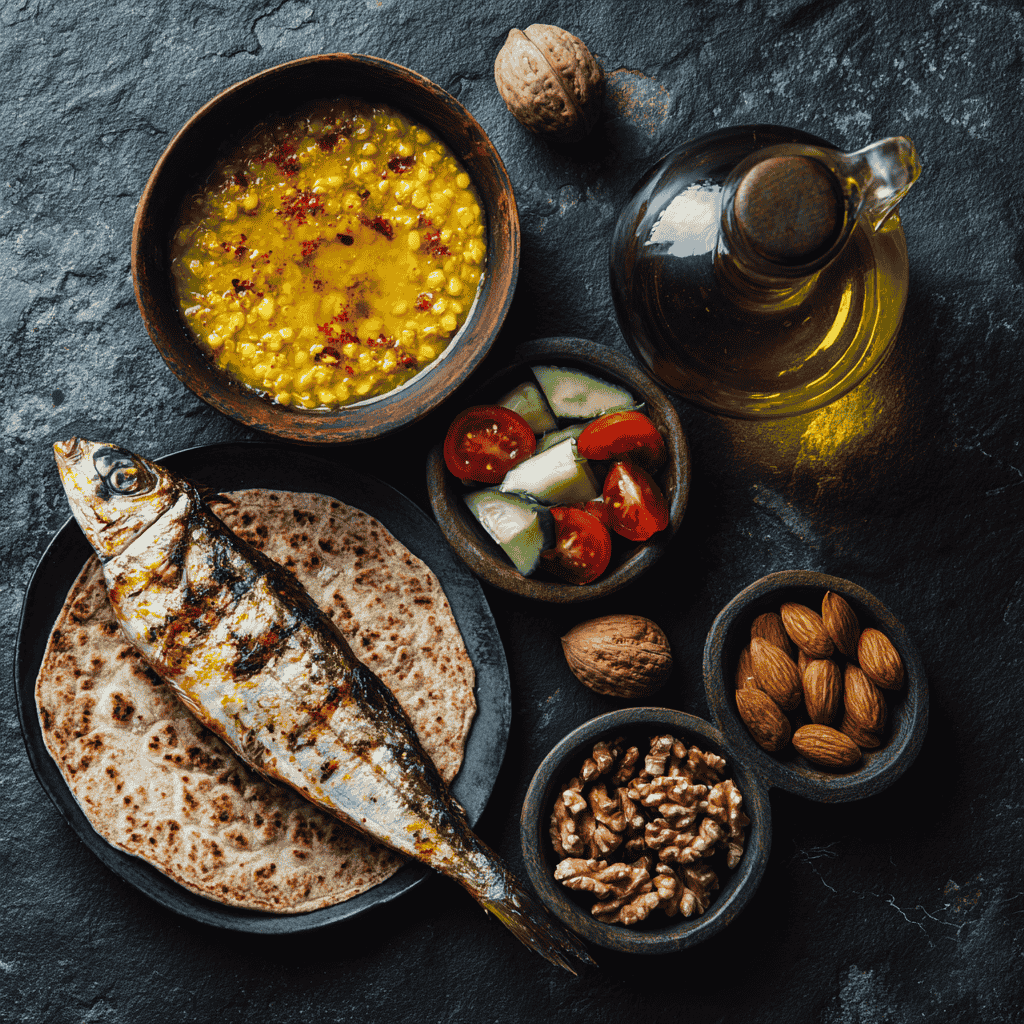
Olive oil lowers LDL (bad) cholesterol and raises HDL (good) cholesterol when it replaces saturated fats in the diet. Extra virgin olive oil produces stronger lipid improvements than refined varieties because its polyphenols prevent LDL oxidation.
Olive oil is one of the most clinically studied dietary fats, with consistent evidence linking it to improved cholesterol ratios and support for weight management.
But neither outcome happens automatically — both depend on how olive oil is used: as a replacement for less healthy fats, not as an addition to an already high-calorie diet.
This article covers how olive oil affects LDL, HDL, and triglycerides, and how it supports fat loss through appetite regulation.
It also covers how much to use daily, and what else needs to change alongside it. For Pakistani households managing heart disease risk and obesity — both rising rapidly — these distinctions matter practically.
How Olive Oil Affects Cholesterol
HDL vs LDL
Cholesterol travels through the bloodstream in lipoprotein particles. LDL (low-density lipoprotein) carries cholesterol toward arterial walls, where it can accumulate as plaque and raise cardiovascular risk.
HDL (high-density lipoprotein) filters it back to the liver for removal. The ratio between the two — not total cholesterol alone — determines your actual cardiovascular risk profile.
Extra virgin olive oil improves this ratio through two mechanisms. First, its monounsaturated fatty acids (MUFAs), primarily oleic acid (roughly 73% of its fat content), directly lower LDL levels when they replace saturated fats in the diet.
Second, higher-phenolic EVOOs show stronger improvements in blood lipids than lower-phenolic varieties, because their polyphenols resist LDL oxidation — the process that makes LDL particles actually dangerous to arterial tissue.
Replacing just 20 grams of butter daily with olive oil reduces LDL markers within eight weeks.

A 2018 review confirmed that olive oil's MUFAs, polyphenols, and antioxidants raise HDL while reducing harmful LDL. Standard refined oils cannot match this — they lack the polyphenol concentration preserved in cold-pressed extra virgin olive oil.
Triglycerides and VLDL
Beyond HDL and LDL, olive oil also reduces triglycerides and VLDL (very low-density lipoprotein) particles — both of which contribute to arterial plaque buildup independently of LDL.
Elevated VLDL also promotes fat storage, creating a direct link between lipid management and body composition.
Choosing extra virgin olive oil — with its highest polyphenol concentration — gives your body the most metabolically active form for addressing both lipid levels and fat accumulation simultaneously.
| Lipid Marker | Effect of EVOO | Mechanism | Timeframe |
|---|---|---|---|
| LDL Cholesterol | ↓ Decreases | Oleic acid replaces saturated fat; polyphenols prevent LDL oxidation | 4–8 weeks |
| HDL Cholesterol | ↑ Increases | MUFAs improve lipid transport efficiency | 3–6 weeks |
| Triglycerides | ↓ Decreases | Replaces refined carbs and saturated fats in diet | 4–8 weeks |
| VLDL | ↓ Decreases | Reduced triglyceride production and fat storage | 6–12 weeks |
| LDL Oxidation | ↓ Reduced | Hydroxytyrosol, oleuropein, oleocanthal antioxidant action | 2–3 weeks |
"Replacing just 20 grams of butter daily with extra virgin olive oil reduces measurable LDL markers within eight weeks — without any other dietary change."
Can Olive Oil Help with Weight Loss?
Satiety and Appetite
Olive oil supports weight loss partly by triggering appetite-regulating hormones. Its monounsaturated fats stimulate the release of peptide YY, a gut hormone that signals fullness and reduces overeating.
Studies show replacing saturated fats with olive oil reduces total caloric intake by roughly 10–15% in controlled dietary trials. This is not because olive oil has fewer calories — it contains approximately 119 calories per tablespoon.
The reduction comes because it slows gastric emptying and improves satiety signalling.
This mechanism is why the daily shot of olive oil trend has genuine research support. US nutritionist Dr Mary Flynn, who has studied olive oil's effects for decades, recommends three tablespoons of EVOO daily within a Mediterranean-style dietary pattern.
That approach works best as part of a structured eating plan, not as a standalone supplement layered on top of an unchanged diet.
The single most impactful change for most Pakistani households is simple: replace your daily ghee and vanaspati with extra virgin olive oil. You get the same sautéing function, a similar calorie total, but dramatically better fat quality. Start with bhuna (sautéing) and egg preparations — these are the easiest transitions.
Belly Fat and Metabolism
Spot reduction of belly fat is not possible through any single food, but olive oil's MUFAs influence where the body prioritises fat storage.
Diets rich in monounsaturated fats reduce visceral adipose tissue — the metabolically active fat stored around internal organs — more effectively than low-fat diets over controlled 28-day periods.
The antioxidants in extra virgin olive oil also support fat metabolism by reducing oxidative stress and chronic inflammation, both of which impair metabolic efficiency.
In Pakistan, where oily breakfasts of paratha and ghee, sugary chai, and deep-fried snacks are daily staples for many families, replacing ghee and vanaspati with olive oil in cooking represents the most practical starting point for this metabolic shift.
Best Olive Oil for Weight Loss and Cholesterol
Extra virgin olive oil (EVOO) is the clear choice for both cholesterol management and weight loss. Cold-pressing without heat preserves over 200 antioxidants — including hydroxytyrosol, oleuropein, and oleocanthal — that refined oils lose during processing.
A 2022 study confirmed that choosing a virgin-label oil is associated with reduced mortality risk from heart disease, diabetes, and dementia.
The polyphenol content — typically 150–500 mg/kg in genuine EVOO versus near-zero in refined varieties — is the active variable responsible for most of olive oil's cardiovascular and metabolic benefits.
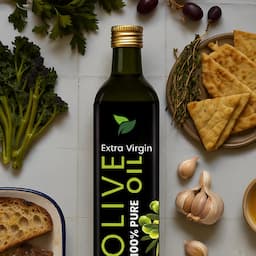
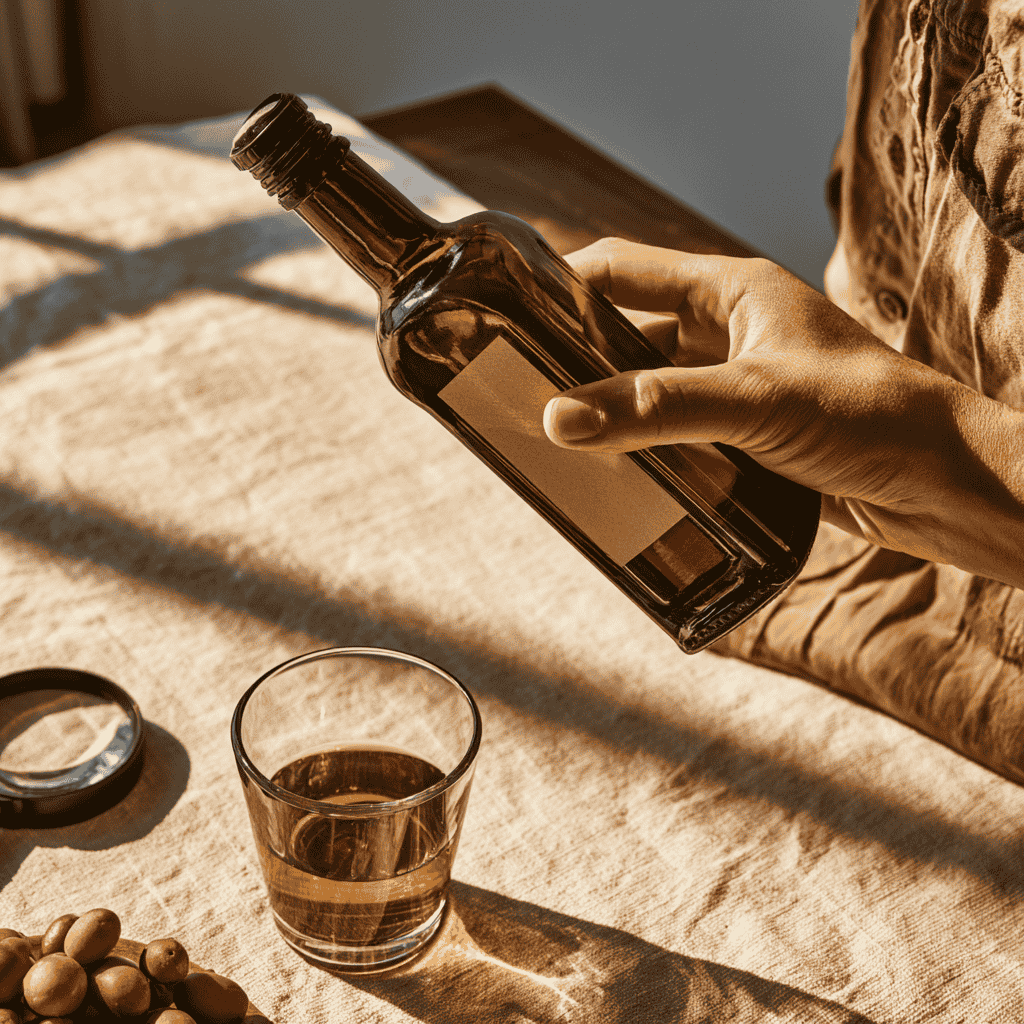
When buying, look for dark glass bottles, a harvest date within the past 18 months, and a true extra virgin designation — not blends where extra virgin is diluted with cheaper refined oils.
You can find quality extra virgin olive oil in Pakistan from reputable suppliers stocking imported Spanish, Italian, Greek, and Turkish varieties.
| Olive Oil Type | Polyphenols | Cholesterol Benefit | Best For |
|---|---|---|---|
| Extra Virgin (Cold-Pressed) | 150–500 mg/kg | Strongest — prevents LDL oxidation | Daily health use, drizzling, sautéing |
| Virgin Olive Oil | 50–150 mg/kg | Moderate | Everyday cooking |
| Refined / "Pure" / "Light" | Near zero | Minimal — lacks polyphenols | High-heat cooking only |
| Blended Olive Oil | Very low | Minimal | Budget cooking — not for health goals |
Look for: ✓ "Extra Virgin" label ✓ "Cold-Pressed" or "First Cold Press" ✓ Dark glass bottle ✓ Harvest date within 18 months ✓ Country of origin (Spain, Italy, Greece, or Turkey) ✓ Peppery, slightly bitter finish when you taste it. Avoid: clear plastic bottles, "pure olive oil," "light olive oil," or any mention of blending.
How Much Olive Oil Per Day?
The 2020–2025 US Dietary Guidelines recommend approximately 27 grams (roughly 2 tablespoons) of added oils daily within a 2,000-calorie diet. The British Heart Foundation similarly recommends 1–2 tablespoons daily.
Research shows even half a tablespoon per day produces measurable cardiovascular benefit. Studies demonstrate that EVOO can shift cholesterol levels and blood pressure within three weeks of consistent use.
For weight management, two tablespoons is a practical daily ceiling that keeps calorie contribution manageable while delivering the MUFAs and polyphenols responsible for metabolic benefits.
Because olive oil is calorie-dense at 119 calories per tablespoon, consuming more than 2–3 tablespoons daily without reducing other fat sources adds net calories and undermines weight loss.
The principle is substitution, not addition: replace ghee, butter, vanaspati, or refined seed oils with olive oil rather than layering it on top of existing fat intake.
In Pakistani cooking, this means using olive oil for bhuna (sautéing), drizzling it over salads or raita, and substituting it in egg and vegetable preparations where ghee is normally used.
| Goal | Daily Amount | Calories Added | Guideline Source |
|---|---|---|---|
| Minimum cardiovascular benefit | ½ tablespoon (7 ml) | ~60 kcal | Clinical trial data |
| Cholesterol improvement | 1–2 tablespoons (15–30 ml) | 120–240 kcal | BHF / US Dietary Guidelines |
| Mediterranean diet protocol | 3 tablespoons (45 ml) | ~360 kcal | PREDIMED study / Dr Mary Flynn |
| Weight loss ceiling | 2 tablespoons max (30 ml) | 240 kcal | Calorie management guideline |
Adding olive oil on top of your existing ghee, vanaspati, or refined oil intake defeats the purpose entirely. The health benefit comes from replacing lower-quality fats — not from simply adding more fat to your diet. Total calories still matter.
Mediterranean Diet and Heart Health
The strongest evidence base for olive oil's cholesterol and cardiovascular benefits comes not from isolated olive oil use, but from the Mediterranean dietary pattern as a whole.
This pattern emphasises vegetables, whole grains, legumes, nuts, oily fish, and olive oil as the primary fat source, while limiting red meat, processed foods, and sweets.
A large cohort study tracking over 400,000 Spanish participants across 13.5 years found that those consuming the highest amounts of olive oil were significantly less likely to die early from cardiovascular and chronic diseases.
The American Heart Association's Life's Essential 8 framework — which identifies eight modifiable factors that prevent heart disease — is directly supported by olive oil consumption through its effects on cholesterol, blood sugar, and body weight simultaneously.
For Pakistan, where cardiovascular disease is now the leading cause of death and type 2 diabetes rates are among the highest globally, even a partial Mediterranean-style dietary shift represents a clinically meaningful intervention.
This does not require abandoning Pakistani cuisine. It means reducing vanaspati and ghee, increasing vegetables and legumes, and switching to extra virgin olive oil as the primary cooking fat.
You don't need to eat Greek food. Use olive oil for bhuna instead of ghee · Add masoor daal or channa to daily meals · Replace sugary chai with black or green tea · Swap maida roti for whole wheat · Use grilled or baked fish (rohu, mackerel) twice a week. These swaps deliver Mediterranean-pattern benefits within your existing cuisine.
Foods to Include and Avoid for Cholesterol Management
✅ Include
| Food | Benefit | Pakistani Equivalent |
|---|---|---|
| Whole grains, oatmeal, legumes | Soluble fibre reduces LDL by 5–10% within weeks | Whole wheat roti, daal, chanay |
| Oily fish (salmon, mackerel, sardines) | Omega-3 raises HDL, lowers triglycerides | Rohu, singhara, canned tuna |
| Avocados and nuts | Healthy MUFAs displace harmful fats | Almonds, walnuts, pistachios |
| Fruits and vegetables | Antioxidants reduce oxidative LDL damage | Spinach, bhindi, tomatoes, guava |
| Lean proteins | Replaces fatty meats without adding saturated fat | Chicken breast, eggs, daal, lentils |
| Black coffee (unsweetened) | Improves liver enzymes and metabolic health | Sada coffee, no sugar, no cream |
❌ Avoid or Significantly Reduce
| Food | Why It Harms Cholesterol | What to Use Instead |
|---|---|---|
| Vanaspati & partially hydrogenated oils | Primary source of industrial trans fats — directly raises LDL | Extra virgin olive oil |
| Fried foods (samosas, pakoras, puri) | Concentrated saturated and trans fat | Baked or air-fried alternatives |
| Sugary drinks & packaged juices | Raises triglycerides, promotes visceral fat | Water, unsweetened chai, nimbu pani |
| Excess full-fat dairy (ghee, cream) | Adds saturated fat load | Small amounts or low-fat dahi |
| Refined carbs (maida, biscuits, mithai) | Elevates triglycerides and VLDL | Whole grain, fruit-based sweets |
| Processed meats & high-fat red meat | Concentrated saturated fat source | Lean chicken, fish, legumes |
Risks and Calorie Considerations
Olive oil's calorie density is the most important practical consideration. At 119 calories per tablespoon, three tablespoons contribute 357 calories to your daily total — roughly 15–18% of a standard 2,000-calorie diet.
For individuals already in calorie surplus, adding olive oil without reducing other fats will worsen weight management regardless of its metabolic benefits.
The therapeutic benefit comes specifically from replacement. Swapping ghee or vanaspati for olive oil maintains roughly similar calorie totals while dramatically improving the quality of fat consumed.
Adding olive oil on top of unchanged eating habits defeats the purpose and adds net caloric load.
Olive oil should be stored in a cool, dark place in sealed, tinted glass containers. Temperatures above 25°C and light exposure degrade polyphenols and oleic acid within weeks. Use within 30–60 days of opening.
Rancid oil loses its bioactive compounds entirely — smaller bottles are preferable to large containers left open.
Pakistan's heat is a real threat to olive oil quality. Store your bottle in a kitchen cupboard away from the stove — not on the counter. Avoid transparent bottles. In summer months (above 40°C), consider keeping a small working bottle in the fridge — it may go cloudy but that is harmless and it will clear at room temperature. Never store near a window or above the hob.
FAQs
Does olive oil raise or lower cholesterol?
Olive oil lowers LDL and raises HDL when it replaces saturated fats. Extra virgin olive oil produces stronger lipid improvements because its polyphenols prevent LDL oxidation. The effect is measurable within three weeks.
Can olive oil help me lose belly fat?
Olive oil cannot spot-reduce belly fat — no food can. However, its MUFAs influence fat storage patterns and reduce visceral adipose tissue more effectively than low-fat diets in controlled studies.
Its satiety-stimulating effect (via peptide YY and slower gastric emptying) helps reduce overall calorie intake, which is the primary driver of fat loss. It works best as a fat replacement within a calorie-controlled eating plan.
How much olive oil should I take daily for cholesterol?
One to two tablespoons (15–30 ml) per day is a practical target supported by dietary guidelines and clinical trials. Even half a tablespoon daily shows measurable cardiovascular benefit.
Staying within 2 tablespoons keeps calories manageable and avoids caloric surplus.
Is extra virgin olive oil better than regular olive oil for cholesterol?
Yes, significantly. EVOO retains 150–500 mg/kg of polyphenols that prevent LDL oxidation and reduce arterial inflammation. Refined olive oil contains near-zero polyphenols and lacks these cardiovascular benefits.
If cholesterol management is your goal, the grade of olive oil matters as much as the quantity used.
Can I just drink a shot of olive oil daily for weight loss?
A daily shot of olive oil can be part of an effective approach — Dr Mary Flynn's research supports 3 tablespoons of EVOO daily within a Mediterranean-style diet.
However, drinking olive oil straight without adjusting overall calorie intake will not cause weight loss on its own. The mechanism is fat substitution and satiety improvement, not metabolic acceleration from consumption alone.
What is the best olive oil for cholesterol in Pakistan?
Look for bottles labelled "extra virgin olive oil" with a harvest date within 18 months, stored in dark glass, with no mention of blending or additives. Imported Spanish, Italian, Greek, and Turkish EVOOs are widely available in Pakistani supermarkets.
Avoid clear plastic bottles and oils labelled "pure olive oil" or "light olive oil," which are refined and provide minimal polyphenol benefit.
Should I replace ghee with olive oil?
Yes — this is the most impactful single dietary change for cholesterol management in a typical Pakistani diet. Ghee is primarily saturated fat and raises LDL directly.
Replacing ghee and vanaspati with extra virgin olive oil in daily cooking maintains a similar culinary function (sautéing, tempering, finishing) while dramatically improving the fat quality entering your bloodstream.
Conclusion
Extra virgin olive oil has strong, consistent clinical evidence supporting its role in improving cholesterol ratios and contributing to weight management — but only when used as a fat replacement rather than a supplement added to an unchanged diet.
Its combination of oleic acid, polyphenols, and antioxidants works together to raise HDL, lower LDL, reduce triglycerides, and improve the satiety signalling that supports fat loss.
For Pakistani households dealing with rising rates of heart disease, obesity, and type 2 diabetes, the most practical step is straightforward: replace vanaspati, ghee, and refined seed oils with extra virgin olive oil.
Reduce fried foods and sugary drinks, and increase vegetables, legumes, and lean protein.
These changes, combined, deliver the greatest evidence-based impact on cardiovascular and metabolic health. For a full overview of products and guidance available locally, visit zaitoonkatail.pk.
Always consult a doctor or registered dietitian for personalised guidance, especially if you are managing diagnosed hyperlipidemia, cardiovascular disease, or metabolic syndrome.