Yes, olive oil supports fatty liver management by replacing harmful saturated fats with MUFAs that reduce hepatic fat accumulation and improve insulin sensitivity.
Your liver manages lipid metabolism, fat storage, and toxin filtration. When more than 5% of liver cells accumulate fat, the result is non-alcoholic fatty liver disease (NAFLD) — now also called MASLD in updated international guidelines.
Without management, NAFLD progresses from simple steatosis toward non-alcoholic steatohepatitis (NASH), liver fibrosis, and cirrhosis. In severe cases it can lead to liver cancer.
It is especially common in people with obesity, type 2 diabetes, or insulin resistance — all conditions with high prevalence in Pakistan.
Extra virgin olive oil (EVOO), a cornerstone of the Mediterranean diet, has become one of the most studied dietary fats for liver health. It delivers MUFAs, polyphenols, and antioxidants that target oxidative stress, chronic inflammation, and insulin resistance.
This article examines what the clinical evidence actually shows, how much to use, and what else needs to change alongside it.
Can Olive Oil Help Fatty Liver?
The short answer is yes — with an important qualification: olive oil alone will not reverse fatty liver disease. It works when it replaces less healthy fats within a calorie-appropriate, Mediterranean-style dietary pattern.

The benefit comes from swapping out saturated fats — found in butter, ghee, vanaspati, and processed foods — for the monounsaturated fats in olive oil.
That substitution reduces hepatic fat accumulation, lowers liver enzyme levels, and improves insulin sensitivity. Simply adding olive oil on top of an unchanged diet will not produce the same results.
How Olive Oil Affects Liver Health
MUFAs and Insulin Resistance
Oleic acid makes up approximately 70–80% of olive oil's fat content. Diets rich in MUFAs are consistently associated with reduced liver fat content and improved markers of liver health in systematic reviews and meta-analyses.
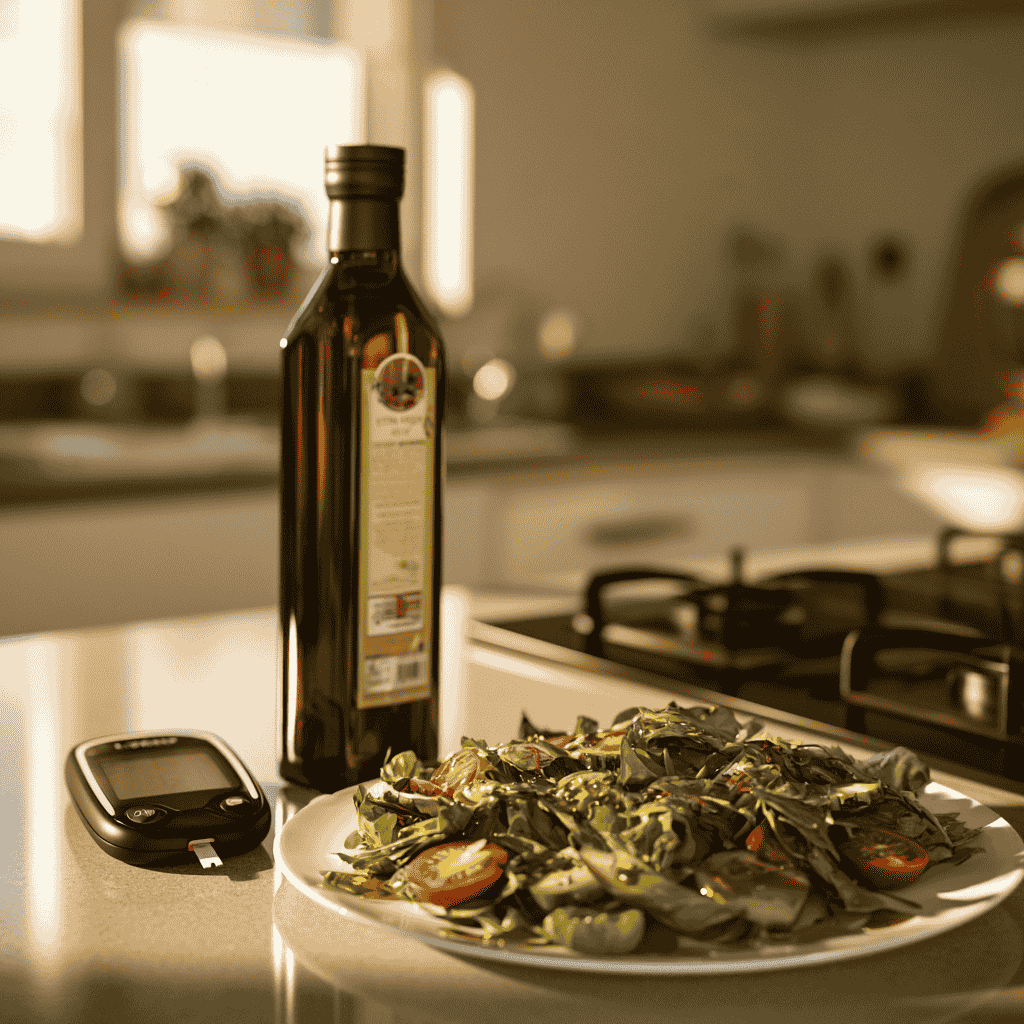
Replacing saturated fats with MUFAs reduces hepatic fat accumulation in NAFLD patients and improves insulin sensitivity. This is particularly relevant in Pakistan, where type 2 diabetes rates are among the highest in the world.
Insulin resistance is a primary driver of fatty liver progression, making this mechanism especially important.
Oxidative Stress and Inflammation
Extra virgin olive oil contains polyphenols — including hydroxytyrosol, oleuropein, and oleocanthal — alongside vitamin E. These compounds possess anti-inflammatory and antioxidant properties that reduce oxidative stress in the liver.
Oxidative stress is one of the key mechanisms that drives progression from simple steatosis to NASH. Reducing it through dietary polyphenols directly targets this pathway.
A study by Dr. Mohamed Hammami at the University of Monastir, Tunisia, found that rats fed EVOO showed a significant boost in antioxidant enzyme activity and a dramatic decrease in liver disease symptoms compared with a control group.
Dr. Hammami noted that EVOO provides direct antioxidant protection to liver cells by targeting toxin-induced oxidative damage.
Liver Enzymes
Several clinical trials have measured changes in alanine aminotransferase (ALT) and aspartate aminotransferase (AST) following olive oil intervention. These are the two primary blood markers used to assess liver inflammation.
The evidence shows consistent reductions in these enzyme levels when olive oil is consumed as part of a calorie-controlled diet.
Clinical Research on Olive Oil and NAFLD
A randomized double-blind clinical trial involving 66 NAFLD patients compared olive oil against sunflower oil at 20g/day over 12 weeks, alongside a hypocaloric diet of -500 kcal/day. Both groups saw reductions in fatty liver grade, weight, and blood pressure.
Sunflower oil produced a greater drop in fatty liver grade overall. However, olive oil significantly outperformed it in preserving skeletal muscle mass — an important consideration for long-term metabolic health during weight loss.
A separate 6-month study in 93 males with NAFLD compared olive oil, canola oil, and a soybean/safflower control at 20g/day. The olive oil group showed significantly greater reductions in insulin levels and insulin resistance than the control group.
Both olive oil and canola oil produced meaningful reductions in fatty liver grade. The control oil group showed no significant change.
A third trial assigned 43 subjects with prediabetes to one of three isocaloric diets: a high-MUFA diet using olive oil with added fibre, a high-fibre diet, or a standard control diet.
After 12 weeks, liver fat fraction decreased significantly only in the MUFA group.
The fibre and control groups showed no meaningful change. This suggests MUFA intake specifically reduces hepatic fat — even without weight loss.
A larger Mediterranean diet trial followed 100 men and women with an average age of 64 over three years. Of those, 62% had type 2 diabetes.
The Mediterranean diet with EVOO group showed the strongest tendency toward reduced liver fat content.
Mediterranean Diet and Fatty Liver
The EASL–EASD–EASO clinical practice guidelines for NAFLD management identify the Mediterranean dietary pattern as having the strongest evidence base for liver health.
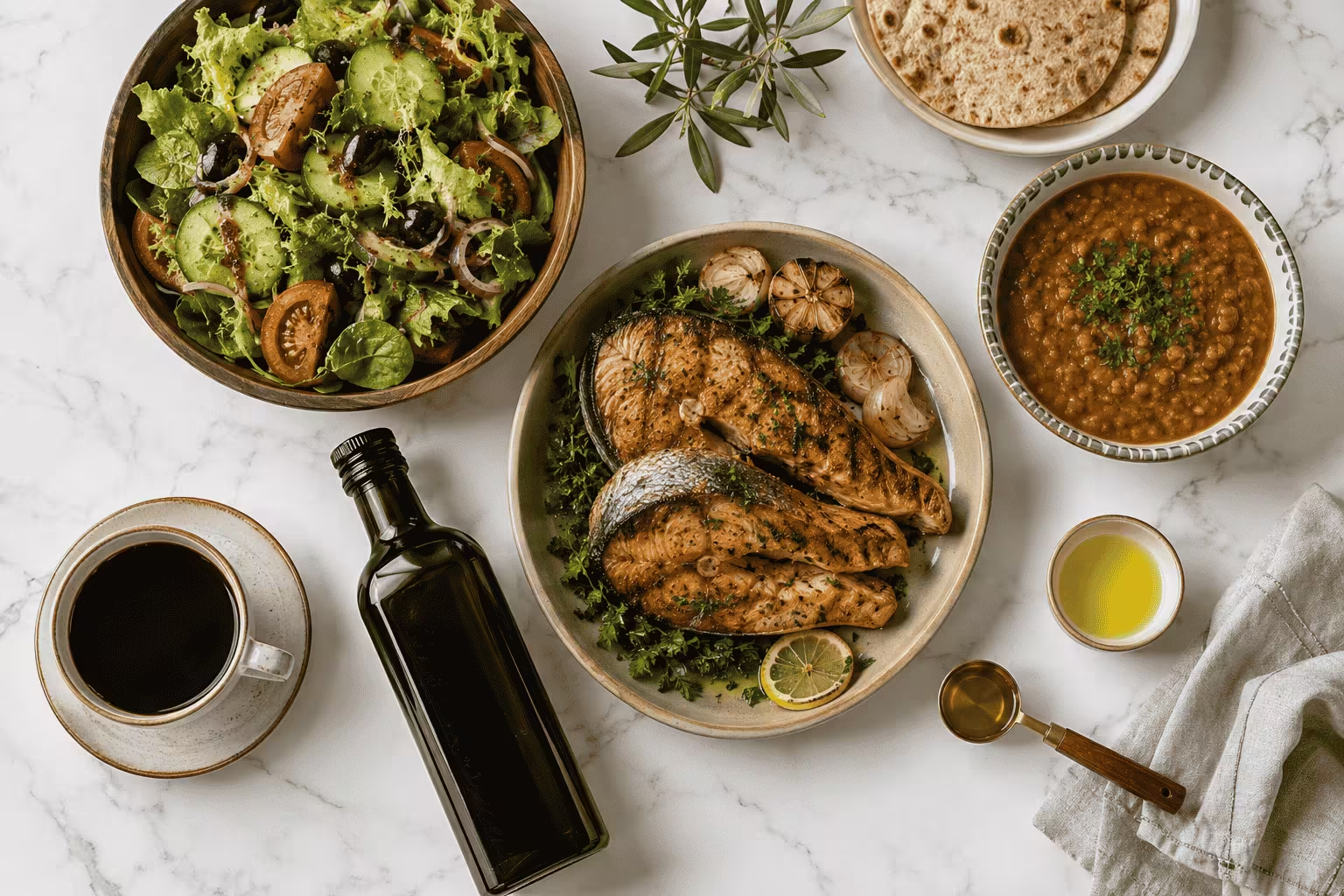
This pattern emphasises abundant vegetables, whole grains, legumes, nuts, oily fish, and limited red meat — with olive oil as the primary fat source.
Olive oil earns its place not just as a fat source but as a functional food: its polyphenol and antioxidant content adds biological activity beyond what its fatty acid profile alone would deliver.
Studies consistently show that populations following Mediterranean-style diets have lower rates of NAFLD, cardiovascular disease, type 2 diabetes, and certain cancers.
For Pakistani households, this translates practically: replace vanaspati, ghee, and refined seed oils with olive oil where feasible. The priority is substitution, not addition — reducing saturated fat load while maintaining appropriate calorie intake.
How Much Olive Oil Should You Use?
NICE guidance NG49 on NAFLD management emphasises overall dietary patterns and gradual, sustainable weight loss rather than prescribing specific portions. Within that framework, the following evidence-based guidance applies.
Target 1–2 tablespoons (15–30 ml) per day as a practical starting point, consistent with Mediterranean diet trial protocols.
Replace, don't add: substitute olive oil for butter, ghee, vanaspati, or refined cooking oils rather than layering it on top of existing fat intake.
Measure portions rather than pouring freely. Olive oil contains approximately 120 calories per tablespoon, and excess calorie intake directly worsens liver fat accumulation.
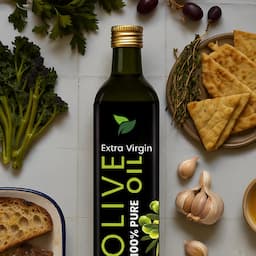
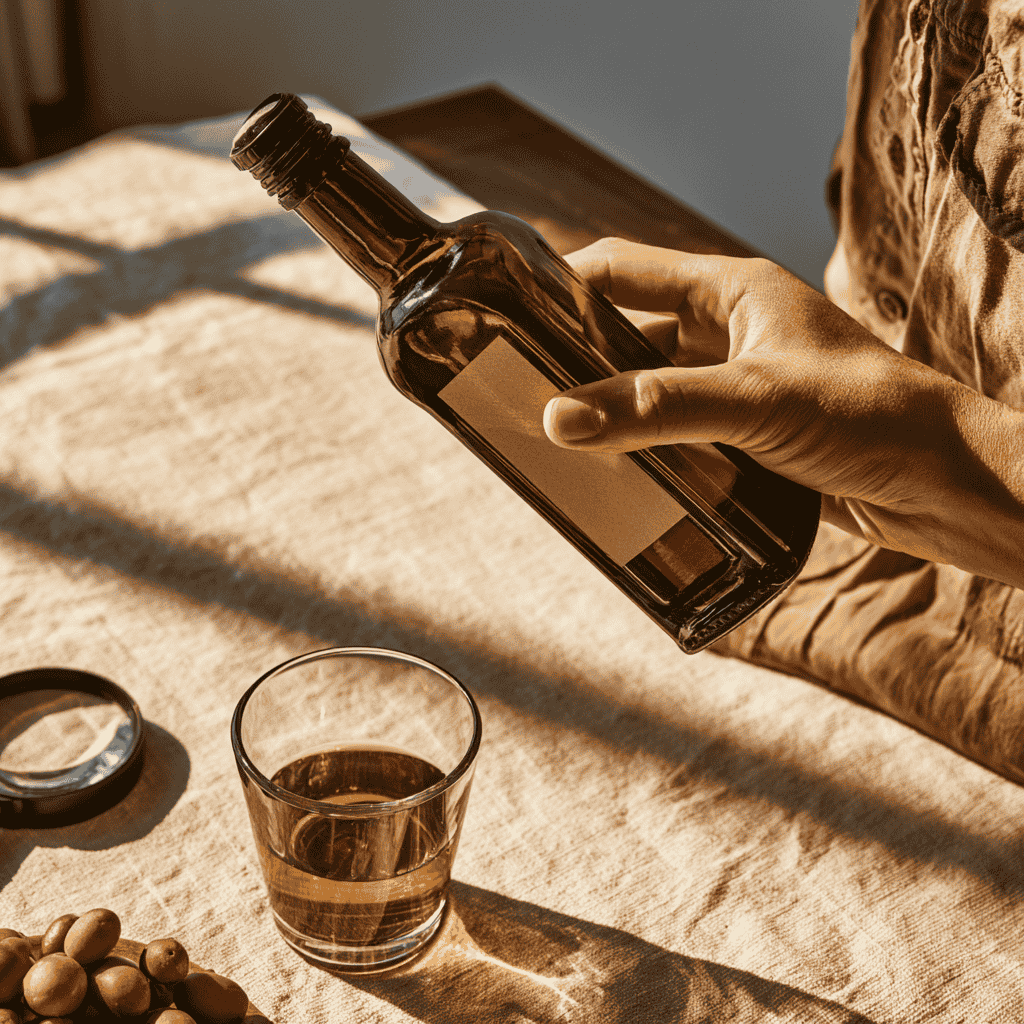
Choose extra virgin olive oil: it retains significantly more polyphenols than refined varieties because it is cold-pressed without heat or chemical processing. Look for products in dark glass bottles that protect against light degradation.
EVOO is suitable for most home cooking methods including sautéing and roasting at moderate temperatures. Avoid heating it beyond its smoke point, which degrades beneficial compounds.
Best Olive Oil for Fatty Liver
Extra virgin olive oil is the most research-supported choice. The key difference lies in polyphenol content: EVOO typically contains 150–500 mg/kg of polyphenols, including hydroxytyrosol and oleuropein.
Refined olive oil undergoes heat and chemical processing and retains near-zero polyphenols — making it measurably less effective for liver health.
Coconut oil is not a suitable substitute despite marketing claims. It contains approximately 82% saturated fat, which can worsen hepatic fat accumulation and is not supported by clinical evidence for NAFLD management.
Avocado oil has a similar MUFA profile to EVOO — both around 70% oleic acid — but lacks the specific polyphenol compounds that drive olive oil's anti-inflammatory effects on liver tissue. EVOO remains the most research-supported option.
Other Lifestyle Changes That Matter
Weight Loss
Weight loss remains the single most effective intervention for fatty liver disease when excess weight is present. Losing 7–10% of body weight significantly reduces liver fat, inflammation, and even early-stage fibrosis.
This should be achieved gradually — approximately 0.5–1 kg per week — through dietary changes and increased physical activity. Crash diets and rapid weight loss can worsen liver inflammation and should be avoided unless supervised by a clinician.
Physical Activity
Exercise reduces liver fat independently of weight loss. UK Chief Medical Officers' guidelines recommend at least 150 minutes of moderate-intensity aerobic activity per week — such as brisk walking, cycling, or swimming.
Muscle-strengthening activities on two or more days per week are also recommended. Both aerobic and resistance training reduce hepatic fat content and improve insulin sensitivity.
Diet Beyond Olive Oil
Reduce refined carbohydrates and added sugars. Fructose — particularly from sugary drinks, juices, and fizzy beverages — is directly linked to increased liver fat.
This is especially relevant in Pakistan, where sweetened chai, packaged juices, and bakery items are common daily staples.
Increase fibre intake through vegetables, fruits, whole grains, and legumes. Fibre supports healthy gut bacteria, which may positively influence liver health.
Eat adequate lean protein — fish, chicken, eggs, and legumes give the liver the building blocks it needs for cell repair and normal function.
Limit alcohol. UK Chief Medical Officers advise no more than 14 units per week, with abstinence recommended in advanced fibrosis or cirrhosis.
Coffee: three or more cups of caffeinated coffee per day has consistently shown positive effects on liver enzymes and inflammation in multiple studies. Keep it black — sugar and cream reverse the benefit.
Monitoring and Medical Review
Regular monitoring matters. Your GP may recommend periodic liver blood tests (ALT, AST) and metabolic markers including HbA1c and lipid profile.
Normal liver enzyme levels do not exclude fatty liver disease — even advanced fibrosis can exist with normal blood tests.
NICE guidance NG49 and DG34 recommend using non-invasive fibrosis scores such as FIB-4 or the NAFLD Fibrosis Score in primary care to assess the risk of advanced fibrosis.
In some cases, imaging such as FibroScan (transient elastography) or ultrasound may be used to assess liver condition.
Risks and Calorie Considerations
Olive oil is calorie-dense: one tablespoon (15 ml) provides approximately 120 calories. For individuals with fatty liver disease who are overweight, total calorie intake is a critical variable.
Excess calories worsen hepatic fat accumulation regardless of source.
Research also indicates that increased MUFA intake can contribute to weight gain when consumed in excess, which would directly undermine liver health goals.
The therapeutic benefit of olive oil comes from using it as a replacement fat, not an additional one. This principle should guide every practical decision around how it is used in daily cooking.
FAQs
Can olive oil actually help reduce fatty liver?
Yes. Olive oil supports fatty liver management by replacing harmful saturated fats with MUFAs that reduce hepatic fat accumulation and improve insulin sensitivity — a primary driver of NAFLD.
Its polyphenols also reduce oxidative stress and inflammation that accelerate progression to NASH and fibrosis. The evidence is strongest when olive oil is used as part of a broader Mediterranean-style dietary pattern.
How much olive oil should I use if I have fatty liver disease?
Clinical trial protocols typically used 20–30 ml per day (roughly 1.5–2 tablespoons). A practical target of 1–2 tablespoons per day fits within daily calorie goals for most people.
Use it as a salad dressing, drizzle over vegetables, or substitute it for butter and ghee in cooking — rather than adding it on top of your usual fat intake.
What is the difference between extra virgin and regular olive oil for liver health?
Extra virgin olive oil retains 150–500 mg/kg of polyphenols because it is cold-pressed without heat or chemical refining. Regular refined olive oil contains near-zero polyphenols.
The anti-inflammatory and antioxidant benefits linked to liver health come primarily from those polyphenol compounds, making EVOO meaningfully more effective for managing fatty liver.
Do I need to change other things too, or is olive oil enough?
Olive oil is one component of a comprehensive approach — it is not sufficient on its own. The most meaningful improvements come from reducing saturated fat, added sugars, and refined carbohydrates.
Increasing fibre, lean protein, and physical activity matter equally. Olive oil supports all of this, but cannot substitute for it.
Olive oil supports all of this, but cannot substitute for it.
Is coconut oil better than olive oil for fatty liver?
No. Coconut oil contains approximately 82% saturated fat, which is associated with increased liver fat accumulation. It lacks clinical evidence supporting NAFLD management.
Olive oil — and to a lesser extent avocado oil — is the more appropriate choice based on current research.
What other foods should I eat alongside olive oil for fatty liver?
Prioritise oily fish (salmon, sardines, mackerel), lean proteins, leafy greens, whole grains, legumes, and black caffeinated coffee. Avoid or significantly reduce sugary drinks, refined carbohydrates, processed bakery items, fried foods, and alcohol.
These dietary changes work synergistically with olive oil to reduce hepatic fat, improve liver enzymes, and support metabolic health.
Conclusion
Olive oil is a well-evidenced, clinically meaningful dietary fat for people with fatty liver disease — but its benefits are conditional on how it is used.
Replacing saturated fats with extra virgin olive oil as part of a Mediterranean-style dietary pattern reduces hepatic fat, lowers liver enzyme levels, and improves insulin resistance.
It is not a standalone treatment. Simply adding it to an existing poor diet will not produce results.
For Pakistani households, the most practical starting point is substitution: replace ghee, vanaspati, and refined seed oils with olive oil in daily cooking.
Reduce sugary drinks and refined carbohydrates. Increase vegetables, lean protein, and fibre. Aim for gradual, sustained weight loss if overweight.
These changes, taken together, offer the strongest evidence-based approach to managing fatty liver disease through diet.
Always consult your GP or a registered dietitian for personalised guidance, particularly if you have co-existing conditions such as type 2 diabetes, cardiovascular disease, or advanced liver fibrosis.