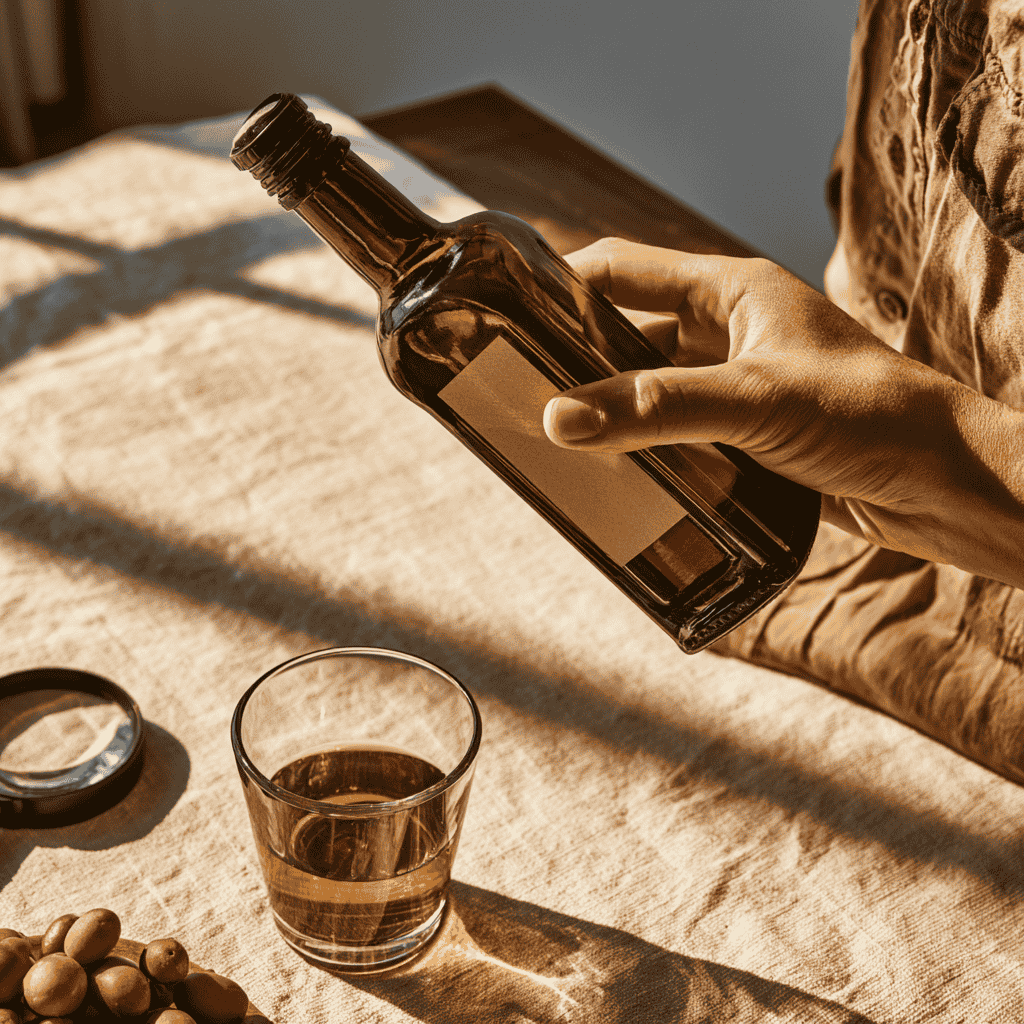
Olive oil ear drops serve as a home remedy for earwax buildup by softening compacted wax and facilitating its natural expulsion. They are primarily used in Pakistan for ear blockage relief, especially before professional treatment.
Olive oil ear drops serve as a home remedy for earwax buildup by softening compacted wax and facilitating its natural expulsion.
They are primarily used in Pakistan for ear blockage relief, especially before professional treatment.
What is Earwax / Role of Earwax
Earwax is a thick substance your ears produce naturally, playing an essential role in ear health. It removes dirt, dead skin cells, and debris through a self-cleaning mechanism driven by jaw movement and a migrating skin layer.
Glands in the outer third of the ear canal lubricate and moisturise the skin, forming a healthy barrier that traps bacteria and reduces infection risk. Hairy, narrow ear canals and individual anatomy influence how efficiently this process works.
Not everyone produces amounts that stay manageable. Older people, hearing aid wearers, and those with a genetic predisposition to over-producing wax can develop hardened buildup that causes impaired hearing and discomfort.
Uses / Effectiveness of Olive Oil in the Ear
Warm olive oil can soften hardened, stuck earwax in the ear canal, making it easier to move toward the outer ear.
A 2013 study found that ears treated with oil before irrigation showed altered wax consistency, supporting its role as a softener.
That same research found regular use actually increased total wax volume — contrary to expectations. Large, high-quality studies over 24 weeks remain limited, so olive oil drops work best as a preparatory step rather than a standalone remedy.
For dry wax specifically, olive oil ear drops act as a first step before microsuction, where Registered Nurses use suction for easier removal.
Herbal ear drops containing lavender or calendula may reduce pain in children, though clear evidence is lacking.
How to Apply / Method of Use
Lie down with the affected ear facing upward, then gently pull the upper ear back and upward — this opens the ear canal into a straighter line, allowing the oil to reach deeper without obstruction.
Using an eyedropper or the dropper provided, squeeze 2–3 drops of room-temperature or slightly warmed olive oil into the ear opening without touching the canal walls. Remain lying down for 10 minutes so the oil can fully settle and absorb.
Before applying, test oil temperature on the inside of your wrist — it should feel slightly warm, never hot. Wipe any surplus oil with a tissue, then repeat once or twice daily for up to 14 days.

Never use olive oil if you suspect a ruptured eardrum — consult a doctor first. Always test oil temperature on your wrist before applying to a child's ear. Do not insert cotton wool after applying oil; it absorbs the oil away from the wax, reducing effectiveness entirely.
Dosage / Duration of Use
Twice daily application is the standard starting point when using olive oil ear drops to soften compacted wax. Apply one or two drops per session — most products recommend continuing for up to 7 days before removal.
After three days, soft wax may already begin migrating naturally from the canal. Harder, compacted wax often takes the full seven days. Medicated olive oil is typically selected ahead of professional microsuction or syringing to make removal more comfortable.
Long-term use beyond two weeks can lead to wax build-up rather than relief. Contact a doctor if symptoms do not clear within that window or if you develop a fever. Always follow the instructions provided with your specific product.
Safety / Precautions / Side Effects
Olive oil is generally safe for most people in small quantities, but you must never put it into a ruptured eardrum. If you suspect a ruptured eardrum, contact a doctor before applying any ear drops.
Possible side effects include itching, skin irritation, dizziness, and outer ear infections — particularly if you have an allergy to olives. Anyone with a history of ear problems should use this home remedy only under medical supervision.
Olive oil ear drops are inadvisable if you wear a hearing aid — Otex Olive Oil Ear Drops carry a specific warning on this point. Always use medicated olive oil at room temperature; heated oil risks burning the ear canal.
Choosing the Right Olive Oil
Choosing the right type matters because chemically processed oils can reduce the therapeutic benefits you need. Professionals advise using extra virgin olive oil or medicated olive oil, as both avoid the chemical refinement that strips active compounds.
Nut oils carry allergy risks, and baby oil — while harmless — won't match olive oil's effectiveness at softening earwax due to its light texture.
For clinical reliability, professionals recommend products such as Earol Olive Oil Spray and Cl-Ear Ear Spray. Otex Olive Oil Ear Drops contains virgin olive oil meeting EP grade — a standard specifically intended for medicinal ear use.
When to See a Doctor
Ear pain that does not go away after a few days signals that home remedies are no longer sufficient. If pain or swelling persists beyond 72 hours, contact a doctor promptly.
Specific symptoms that demand professional attention: difficulty hearing, a feeling of being off balance, ringing in your ears, or discharge. A doctor who suspects a ruptured eardrum will immediately rule out any further drop use.
Olive oil is safe to try as a short-term home remedy, but if symptoms do not improve within a few days to two weeks, stop and seek clinical assessment.
Clinical References: This article is consistent with AAO-HNS guidance, which recognises ceruminolytic agents including olive oil as an appropriate first-line approach. The NHS similarly advises olive or almond oil drops before professional earwax removal.
Consult a qualified ENT specialist if symptoms persist beyond two weeks or if you have a pre-existing ear condition.
Using Olive Oil Ear Drops in Pakistan (Kaan Mein Zaitoon Ka Tail)
In Pakistan, olive oil ear drops — locally known as kaan mein zaitoon ka tail — have been a traditional home remedy for kaan ki mail (earwax blockage) for generations.
Zaitoon ka tail is widely available at local pharmacies, Dawakhanas, and grocery stores across Karachi, Lahore, Rawalpindi, and Gujranwala — often at a fraction of branded medical product costs.
For ear blockage relief, Pakistanis commonly search for kaan ki safai zaitoon ke tail se. If home treatment does not resolve the blockage within two weeks, consulting a Pakistani ENT specialist is strongly advised.
ENT departments are available at Mayo Hospital Lahore, PIMS Islamabad, and Jinnah Hospital Karachi, as well as private clinics throughout major cities.
When purchasing olive oil for ear use in Pakistan, opt for cold-pressed extra virgin olive oil (EVOO) or a pharmaceutical-grade product.
Avoid refined or pomace-grade oils — chemical processing reduces purity. Extra virgin olive oil meeting food-grade purity standards is the next best option if medical-grade ear drops are unavailable locally.
Product Comparison Table
Otex Olive Oil Ear Drops, Otex Express, Otex Olive Oil Ear Spray, and Otex Sodium Bicarbonate Ear Drops each carry a distinct classification — Medical Device, Procedure Pack, or Pharmacy Only Medicine — determining where you can purchase them.
Each product differs by application format: the standard 10ml bottle uses a pipette dropper; the easy-squeeze bottle and pump spray deliver a measured dose without tilting. The Otex Express Combi Pack adds a bulb syringe for gentle post-treatment cleansing.
Customer ratings: Otex Olive Oil 4.5 stars, Otex Express 4.4 stars, Otex Sodium Bicarbonate 4.3 stars. Active ingredients vary — Olive Oil, Urea Hydrogen Peroxide, or Sodium Bicarbonate — each clinically proven for specific wax types.
| Product | Active Ingredient | Format | Rating |
|---|---|---|---|
| Otex Olive Oil Ear Drops | Olive Oil (EP grade) | Pipette dropper, 10ml | ★★★★★ 4.5 |
| Otex Express Ear Drops | Urea Hydrogen Peroxide | Easy-squeeze bottle, 10ml | ★★★★★ 4.4 |
| Otex Olive Oil Ear Spray | Olive Oil (EP grade) | Pump spray, 10ml | — |
| Otex Sodium Bicarbonate Drops | Sodium Bicarbonate | Dropper, 10ml | ★★★★☆ 4.3 |
The Safest Method for Ear Wax Removal: Micro-Suction
Micro-suction is the most effective and safe method for ear wax removal, endorsed by ENT specialists. Unlike ear irrigation, it is a quick, dry process with no water involved — reducing the risk of infection or eardrum trauma.
Earworx Registered Nurses are specially trained through extended practical placement. Each nurse takes a history, explains the procedure, then performs it under direct observation using loupes (specialist magnifying glasses).
Earworx nurses recommend using wax softening drops — such as olive oil — prior to your appointment to help speed the removal process. Lubricated wax moves more easily under suction.
What NOT to Do
It is tempting to use cotton buds, Q-tips, hair grips, pen lids, or even screwdrivers to scratch your ear, but inserting any such item will cause abrasion, damage, or perforation of the eardrum — a structure just 0.1mm thick.
These attempts to pull wax out actually compress and compact it, pushing it deeper into the canal. Wax pressed against the eardrum becomes far more difficult to extract than wax sitting in the outer third.
This can lead to balance issues, tinnitus, earache, and even permanent hearing loss — outcomes that olive oil ear drops, used correctly, are specifically designed to help you avoid.
"Cotton buds push wax deeper and compact it against the eardrum — a structure just 0.1mm thick. Olive oil ear drops soften from the outside in, the way the ear canal was designed to clear itself."
When is the Best Time to Use Olive Oil in My Ears?
The best time to apply medicated olive oil is in the evening, after working or socialising. This reduces exposure risk and avoids the discomfort of oil in your ears during daytime settings.
Protect your bedding when applying — olive oil is generally absorbed into the skin, but residue can transfer to your pillowcase. Place a towel over your pillow or use an old pillowcase you don't mind staining.
Do not put cotton wool balls or sponge-like materials in your ears after applying oil. These draw the oil away from the wax, undermining your efforts to soften it and potentially requiring additional wax removal appointments.
Can I Use Warm Water to Soften Ear Wax?
Warm water alone has no significant effect on wax softening compared to drops specifically designed for this purpose. Water lacks the viscosity to penetrate compacted wax, making it largely ineffective as a standalone method.
Olive oil aids the process far more reliably because it is slightly heavier than water and clings to hardened wax, breaking it down without harming the ear canal.
Using a shower head directly into the ear canal carries real risk — water's force can push wax deeper and potentially cause eardrum injury. This is why olive oil ear drops remain the recommended option apart from professional irrigation.
Does Olive Oil Prevent Ear Wax Build-Up?
Applying a few drops of medicated olive oil regularly may help prevent excessive wax build-up by softening hardened wax inside the ear canal — making it easier for the body to expel naturally.
Everyone's ears are different. If you have oily skin, your wax may naturally stay soft and not require additional drops. Those with dry skin, dermatitis, or a predisposition to dry ear canals may benefit more from regular use.
There is no hard and fast rule. Some people find regular use reduces build-up; others notice flakes absorb the oil, causing wax to expand and block the canal sooner. Experimenting carefully and monitoring the result is worth considering.
Can I Use Olive Oil in My Ears if I Wear Hearing Aids?
Doctors advise applying olive oil before bed if you wear hearing aids. This allows plenty of time for the oil to absorb into the wax overnight before reinserting your device in the morning.
A full eight hours of sleep gives the oil maximum contact with hardened wax. Olive oil ear drops work by gradually softening compacted deposits rather than providing instant clearance.
Before inserting your hearing aids the next morning, gently wipe your ears with tissue to remove any excess oil. This prevents residue from coating the hearing aid's microphone port or receiver.
How Long Will It Take to Unblock?
Most people need up to 2 weeks of consistent olive oil ear drops use before earwax softens enough to clear. Harder, older wax takes longer than fresh buildup — starting treatment early shortens the timeline considerably.
Softened wax naturally falls out of the ear canal, particularly during sleep. Using drops before bed means gravity assists drainage overnight — making it one of the most effective application times.
If your ear remains blocked after 2 weeks, the wax may be too compacted to shift without professional help. A GP can perform ear irrigation or micro-suction to safely remove what the drops have softened but not fully dislodged.
Can I Use Olive Oil Ear Drops with a Hearing Aid?
Hearing aid users can use olive oil ear drops, but remove your device before applying. Oil residue entering the microphone port or receiver can damage internal components — even small amounts of moisture may affect sound processing accuracy.
After applying drops, wait at least 15 minutes before reinserting your hearing aid. This allows the oil to penetrate and soften earwax without transferring liquid into the device's casing — particularly important for in-the-canal models sitting deeper in the ear.
Hearing aid wearers are more prone to earwax build-up because the device partially blocks the ear canal's natural self-cleaning mechanism. Persistent blockage affecting your hearing aid's performance warrants a GP or audiologist review.
What Does Otex Olive Oil Ear Drops Contain?
Otex Olive Oil Ear Drops contain a single active substance: olive oil, cold-pressed from olives, with no added preservatives, solvents, or synthetic compounds. That single-ingredient formulation is the entire product.
Because the only ingredient is olive oil — not derived from any nut source — the drops are suitable if you have tree-nut sensitivities. Always confirm with your pharmacist if you have a documented allergy history.
Otex Olive Oil Ear Drops have not been tested on animals. Knowing the product contains one plant-based ingredient, cold-pressed to medical-grade purity, helps you assess whether it fits your personal and ethical preferences.
What is Meant by 'Medical Grade' Olive Oil?
Medical grade olive oil undergoes stricter refinement and purity testing than standard culinary olive oil. It must meet defined pharmaceutical standards — no pesticide residues, heavy metals, or microbial contaminants above regulated thresholds.
That purity distinction matters because your ear canal is a sensitive, enclosed space. Culinary olive oil is not tested for sterility or consistent oleic acid concentration. Medical grade formulations are standardised to ensure predictable softening action without introducing irritants.
For ear care products such as Otex, the medical grade classification means the packaging and preservative system have been validated for safe mucosal contact. Regulatory approval in the UK requires documented clinical safety data before sale.
Does Otex Olive Oil Ear Drops Contain Any Other Ingredients?
Otex Olive Oil Ear Drops contain only one active ingredient: medical-grade olive oil (EP grade). They contain no urea hydrogen peroxide — that ingredient belongs to Otex Express Ear Drops, a separate product. The two formulations should not be confused.
If you require stronger effervescent action to break down hardened wax, Otex Express Ear Drops may be more appropriate. Always confirm which product you are purchasing — the names are similar but the active ingredients differ significantly.
Beyond the active ingredient, the formulation includes anhydrous glycerol as a carrier base. If you have a known sensitivity to any component, check the full patient information leaflet before use — particularly if you've reacted to peroxide-based products previously.
Can You Remove the Wax?
Care Extra Virgin Olive Oil Ear Drops effectively soften compacted earwax, making it easier for your ear canal to clear naturally. Softening typically takes three to five days of consistent application before meaningful loosening occurs.
Once earwax has softened sufficiently, removal becomes far more manageable. The drops facilitate natural migration of wax toward the outer ear, reducing the need for more aggressive intervention like syringing.
This approach is a safer alternative to manual removal methods such as cotton buds. Using olive oil ear drops first is a clinically recognised first step before any professional procedure.
Can a GP Remove the Earwax?
Many GP practices offer earwax removal services when softening alone isn't enough. If olive oil drops haven't fully cleared the blockage after two weeks, your doctor can assess whether clinical intervention is appropriate.
A GP may perform ear irrigation — flushing the canal with water at body temperature (37°C) — or micro-suction, which uses a low-pressure vacuum to safely remove compacted earwax without introducing liquid.
Micro-suction is generally preferred for perforated eardrums or narrow canals. Using olive oil ear drops for three to five days beforehand softens the plug, making either procedure faster and reducing the risk of canal irritation during treatment.