Anjeer (figs) and olive oil taken together help improve digestion, relieve constipation, support heart health, and provide antioxidant protection — due to their combined fiber, healthy fats, and polyphenol content.
Consuming 2–3 soaked figs with 1 teaspoon of extra virgin olive oil on an empty stomach each morning delivers the most consistent results.
Anjeer (figs) and extra virgin olive oil are two of nature's most thoroughly studied functional foods — and together, they form a combination that Pakistani households have relied on for generations.
The pairing is not simply traditional wisdom: each ingredient addresses a specific physiological need, and the two compounds work synergistically across digestion, cardiovascular function, blood sugar regulation, and cellular protection.
This guide covers every documented benefit, how the biology works, and the exact daily protocol that delivers consistent results.
If you already practice drinking extra virgin olive oil before bed for digestion and sleep, adding soaked anjeer to your morning routine creates a complete all-day wellness protocol — nighttime recovery paired with morning gut activation.
What Are the Digestive Benefits of Anjeer and Olive Oil?
The combination works through two complementary mechanisms. Anjeer supplies roughly 20% of your daily fiber per serving, bulking stool via its soluble pectin content. Extra virgin olive oil lubricates the intestinal lining with its monounsaturated fat compounds.
Together they produce a measurable laxative effect that is gentle enough for daily use. Soaking figs overnight and consuming them before any other food activates stomach activity and stimulates the small intestine to clear waste efficiently.
Beyond simple constipation relief, the combination reduces intestinal inflammation — a key factor in conditions like irritable bowel syndrome and haemorrhoids. The pectin in figs also acts as a prebiotic, feeding beneficial gut bacteria and improving the overall microbiome environment.
Regular use supports better absorption of potassium, iron, and magnesium from other foods eaten throughout the day.
According to a review published in the journal Nutrients, dietary fiber from fruits like figs significantly improves stool consistency, transit time, and overall gut microbiota composition when consumed regularly. [1]
- Soluble pectin from anjeer bulks and softens stool naturally
- Olive oil lubricates the digestive tract and eases intestinal passage
- Reduces intestinal inflammation associated with haemorrhoids and IBS
- Pectin acts as a prebiotic, supporting beneficial gut bacteria
- Improves potassium, iron, and magnesium absorption from other foods

How Do Anjeer and Olive Oil Support Heart Health and Blood Sugar?
Anjeer is among the most potassium-rich fruits available — a single dried-fig serving delivers 232–291 mg of potassium, which directly counteracts sodium's constricting effect on arterial walls.
Olive oil's polyphenols, along with its Omega-3 and Omega-6 fatty acids, lower circulating fat levels and reduce LDL oxidation — a key trigger for arterial plaque formation. This cardiovascular benefit is particularly meaningful for those managing hypertension alongside a salt-heavy diet.
For blood sugar management, fig leaf extracts carry documented anti-diabetic properties that improve insulin sensitivity at the cellular level. A 2017 study confirmed that fig compounds reduce fasting blood sugar by slowing glucose absorption in the intestinal tract. [2]
Olive oil reinforces this by reducing systemic inflammation linked to insulin resistance. The soluble fiber in figs also moderates the speed at which glucose enters the bloodstream, preventing sharp post-meal spikes — particularly relevant for Pakistanis managing pre-diabetes or type 2 diabetes.
| Health Benefit | Anjeer (Figs) | Extra Virgin Olive Oil | Combined Effect |
|---|---|---|---|
| Heart Health | Potassium lowers blood pressure; pectin binds bile acids and reduces LDL | Polyphenols reduce LDL oxidation; Omega-3/6 lower triglycerides | Reduced stroke and coronary disease risk |
| Blood Sugar | Fiber slows glucose absorption; fig compounds improve insulin sensitivity | Reduces systemic inflammation driving insulin resistance | Steadier post-meal glucose and fewer spikes |
| Digestion | Pectin bulks stool; prebiotics feed beneficial gut bacteria | Lubricates intestinal lining; stimulates bile flow | Effective, gentle daily constipation relief |
| Antioxidant Protection | Phenolic compounds neutralize free radicals and reduce oxidative stress | Oleocanthal and polyphenols suppress inflammatory pathways | Reduced cellular aging and chronic inflammation |
"The combination of figs and cold-pressed olive oil is one of the most practical natural wellness additions I recommend to Pakistani families managing high blood pressure or sluggish digestion — the results are consistently noticeable within two to three weeks of daily use."
What Other Health Benefits Does This Combination Offer?
Beyond digestion and heart health, the anjeer and olive oil combination delivers a broad spectrum of additional benefits.
Dried figs are ranked among the top 10 fruits by antioxidant capacity — just two medium dried figs contain phenolic compounds capable of neutralizing free radicals linked to cellular ageing, cancer risk, and chronic inflammation.
Olive oil's oleocanthal inhibits the same inflammatory enzymes targeted by ibuprofen, making this pairing one of the most well-rounded natural anti-inflammatory combinations available in everyday food.
- Antioxidant protection: Phenolic compounds in figs reduce oxidative stress; olive oil polyphenols suppress inflammatory pathways linked to arthritis, asthma, and osteoporosis
- Brain health & energy: Natural sugars in anjeer provide rapid neural fuel; vitamin B6 supports neurotransmitter production; olive oil's oleocanthal reduces amyloid plaque associated with cognitive decline
- Mood regulation: Tryptophan in anjeer converts to serotonin in the body, supporting emotional balance, stable mood, and better sleep quality
- Bone strength: Dried figs deliver ~250 mg of calcium per 100 g — one of the most concentrated plant-based calcium sources, ideal for vegans and those with dairy intolerance; vitamin K in figs helps bind calcium into bone tissue while olive oil reduces bone resorption rate
- Anemia support: Iron, copper, and zinc in figs support red blood cell production — particularly beneficial for women with low dietary mineral intake; olive oil improves fat-soluble nutrient absorption from each serving
- Weight management: Three figs deliver ~5 g of fiber, slowing glucose release and extending satiety; olive oil's monounsaturated fats deliver hunger satisfaction and aid absorption of fat-soluble vitamins from other foods eaten alongside it
For maximum bone health benefit, pair your anjeer and olive oil morning routine with adequate vitamin D — from sunlight or a supplement.
Dried figs deliver ~250 mg of calcium per serving, but absorption is significantly enhanced when vitamin D levels are sufficient.
How Should You Take Anjeer and Olive Oil Daily?
The most effective protocol is simple and takes under five minutes each morning. Consuming this combination on an empty stomach maximizes the laxative, anti-inflammatory, and nutrient absorption effects.
Taking it 15–30 minutes before a meal also primes the digestive system to moderate glucose absorption. Avoid consuming it immediately after a heavy meal — this reduces the lubrication and laxative benefit significantly.
- Soak the figs overnight — place 2–3 dried figs in a small glass of water for 8 hours. Soaking softens the pectin fiber, reduces the concentrated sugar load, and makes the combination gentler on digestion.
- Consume on an empty stomach — eat the soaked figs first thing in the morning, before any tea, coffee, or breakfast. Chew thoroughly before swallowing for maximum nutrient release.
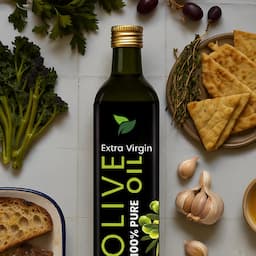
- Take 1 teaspoon of EVOO alongside — take 1 teaspoon of extra virgin olive oil in pakistan from Zaitoon alongside the figs — do not substitute with refined or light olive oil, as polyphenol content is significantly lower in processed variants.
- Maintain for at least 3 months — short-term use produces some benefit, but the most noticeable digestive and cardiovascular improvements appear with consistent daily use over 3 months.
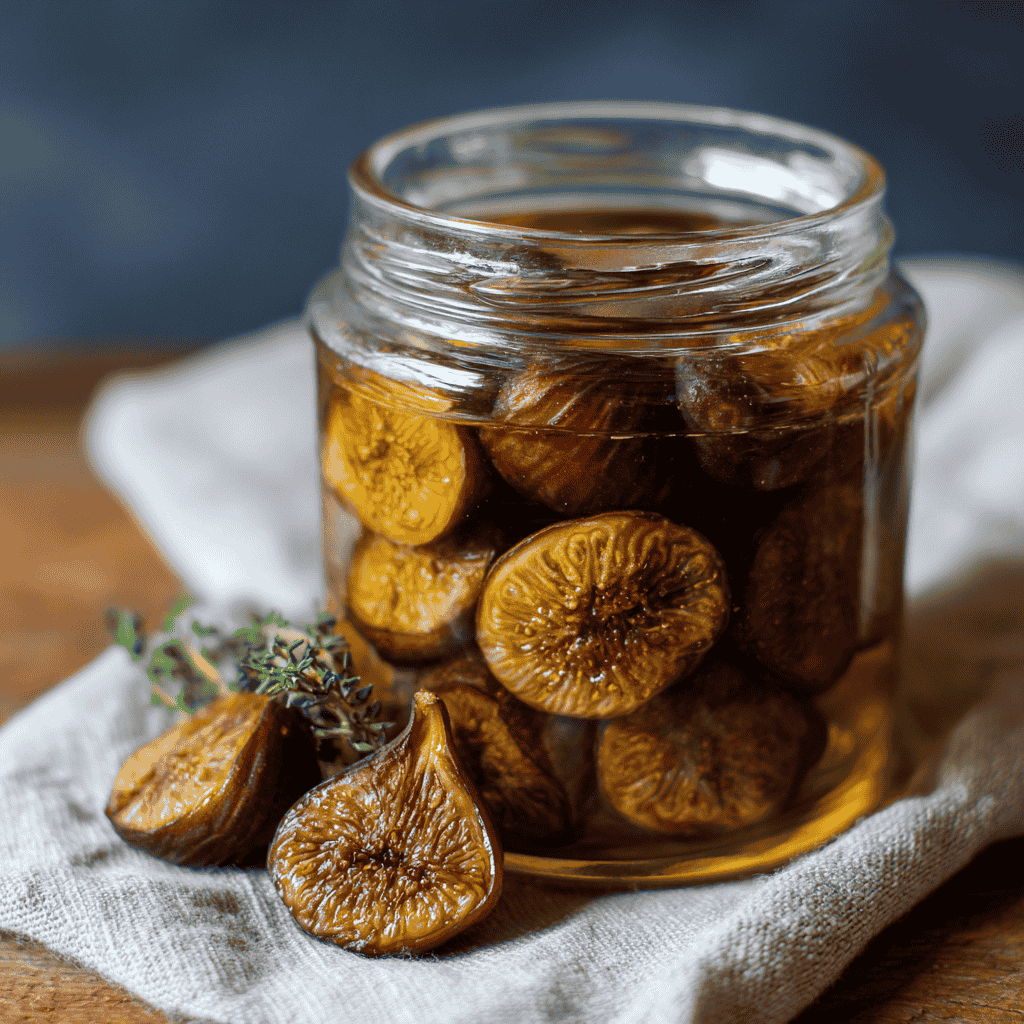
- Try the traditional fig-in-oil preparation — layer 40 dried figs in a wide-mouth jar, cover fully with extra virgin olive oil, seal, and store in a cool dark place for 10–40 days. This centuries-old Middle Eastern method creates a rich, ready-to-eat daily preparation.
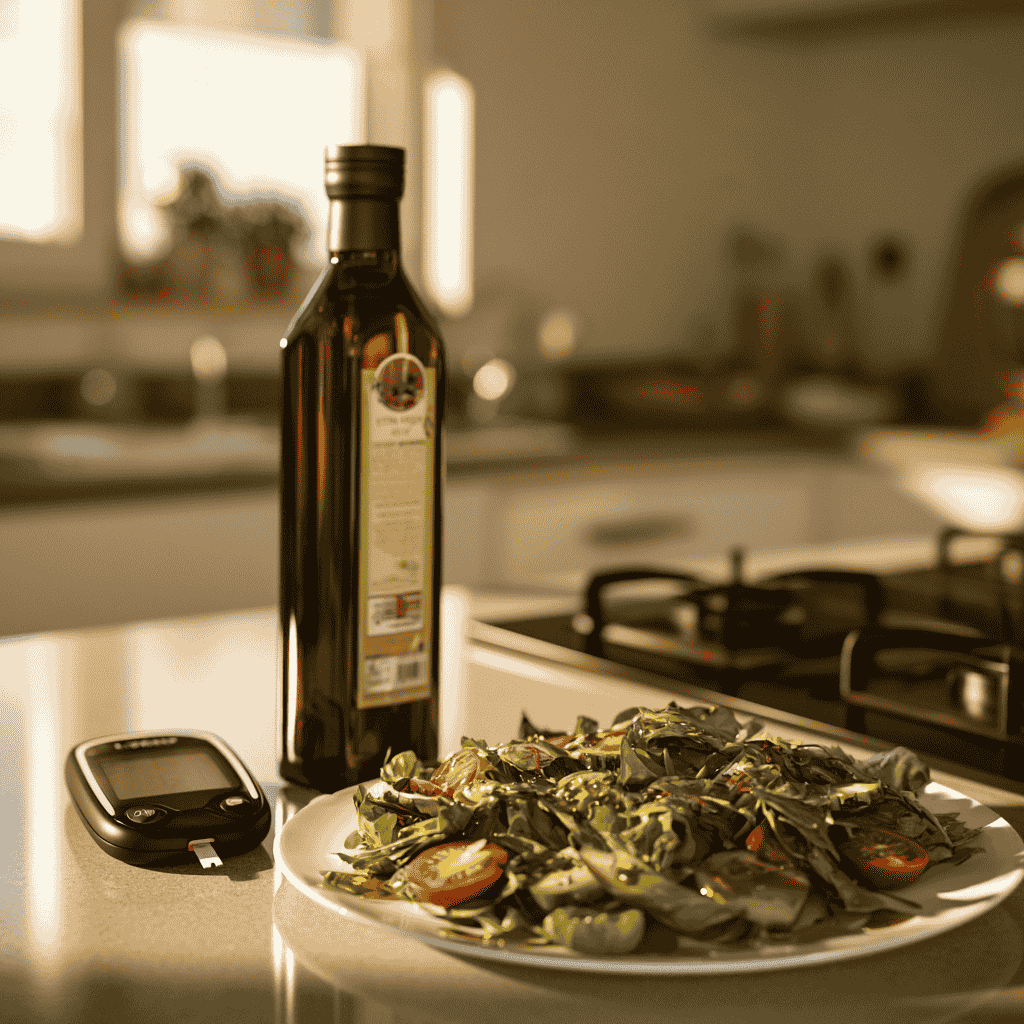
Diabetics — dried figs concentrate natural sugars; limit to 2 figs and monitor blood glucose response carefully.
Blood thinner users (warfarin) — anjeer's high vitamin K content can interfere with anticoagulant medication; consult your doctor before starting.
Birch pollen allergy sufferers — cross-reactivity can trigger a fig allergy response.
Sensitive digestion — high fiber can cause bloating if introduced too quickly; start with 1 fig and increase gradually over 2 weeks.
Pregnant women — 1–3 figs daily is generally safe, but avoid exceeding this as excess fructose can affect gestational weight management; always consult your doctor.
Frequently Asked Questions About Anjeer and Olive Oil
Can I take anjeer and olive oil daily?
Yes. 2–3 soaked figs with 1 teaspoon of extra virgin olive oil daily is a well-tolerated amount for most healthy adults. Consistent daily use over 3 months produces the most noticeable digestive and cardiovascular benefits.
If you experience initial bloating, start with 1 fig and increase gradually over two weeks to allow your gut to adjust to the increased fiber load.
Does anjeer and olive oil help with constipation?
Yes — this is one of the combination's most consistent and well-documented benefits. Anjeer's pectin fiber bulks and softens stool, while olive oil lubricates the intestinal lining and stimulates bile flow.
Taking them together on an empty stomach first thing in the morning produces the most effective and gentle relief, typically noticeable within 24–48 hours of consistent use.
How many figs per day is safe?
2–3 dried figs daily is the standard therapeutic dose. Exceeding 4–5 figs per day can trigger bloating, stomach cramps, or diarrhoea due to the high fiber load.
Diabetics should stay closer to 2 figs per serving and always monitor their blood glucose response, as dried anjeer concentrates sugars significantly more than fresh figs.
Can diabetics eat anjeer?
Yes, in controlled portions. Fresh figs have a glycemic index of around 61, and their fiber content slows glucose absorption. Pairing figs with a protein source such as Greek yoghurt can further buffer the glucose spike.
Dried anjeer concentrates sugars more significantly — diabetics should limit intake to 2 per serving and consistently monitor their blood glucose response.
What type of olive oil is best for this combination?
Extra virgin olive oil (EVOO) is the only recommended choice. It retains the highest concentration of polyphenols and oleocanthal — the anti-inflammatory compounds responsible for most of olive oil's documented health benefits.
Refined, light, or blended olive oils undergo heat and chemical processing that removes many of these active compounds, significantly reducing their therapeutic value.
For Pakistanis looking for the best extra virgin olive oil in pakistan that meets these polyphenol standards, Zaitoon delivers cold-pressed Spanish EVOO — harvested, certified, and shipped direct.
What Our Customers Say
I started the anjeer and Zaitoon EVOO routine about 6 weeks ago. My digestion has improved noticeably — I no longer have the constipation I struggled with for years. The olive oil quality is clearly different from supermarket brands. Will not switch.
✓ Verified PurchaseMy doctor told me to add more natural potassium to my diet for blood pressure. I started taking soaked anjeer with Zaitoon olive oil every morning.
Three months in, my readings have stabilized considerably. Very happy with this product and the fast delivery.
✓ Verified PurchaseGood quality oil with a fresh, peppery finish — that's how you know it is genuine EVOO. I use it daily with soaked anjeer as part of my morning routine.
It is a bit more expensive than supermarket options, but the quality difference is clear and the health benefits are worth it.
✓ Verified Purchase